 Murong (Shanghai) International Trading Co., Ltd.
Murong (Shanghai) International Trading Co., Ltd.
Murong (Shanghai) International Trading Co., Ltd.
Murong (Shanghai) International Trading Co., Ltd.
Murong (Shanghai) International Trading Co., Ltd.
24-Hour Service Hotline
I. Product Introduction
Citric Acid: Also known as Citrate, with the chemical molecular formula of C₆H₈O₇, it is an organic acid naturally present in fruits such as oranges and lemons, and is the most widely used food-grade organic acid and industrial additive globally. The mainstream products on the market are refined through grain fermentation processes, featuring high purity and good safety, and comply with the national standard GB 1886.25 and the EU E330 food additive standard.
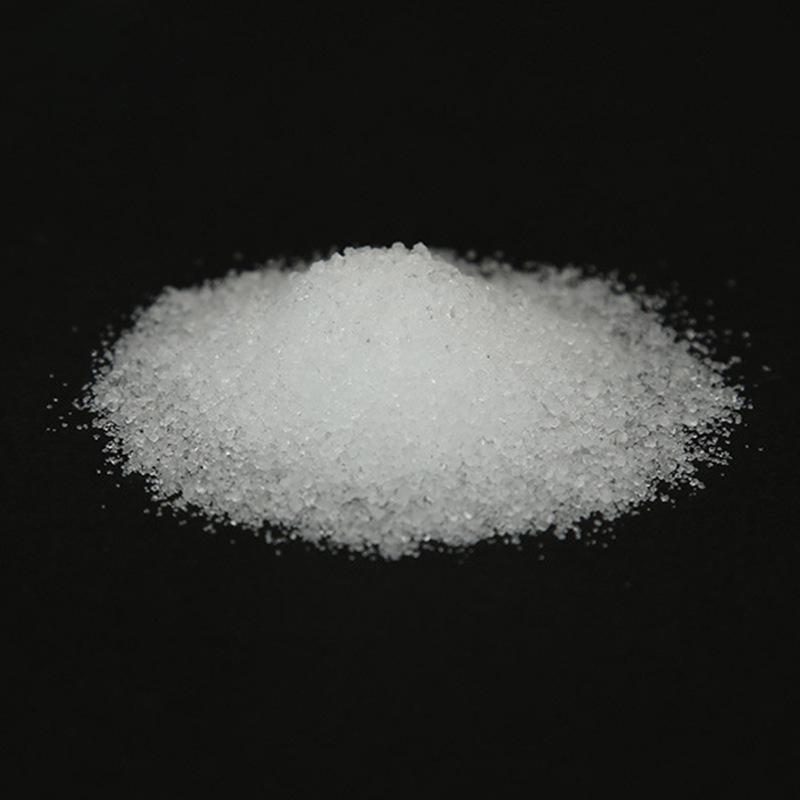
The product is typically colorless transparent crystals or white crystalline powder, odorless with an extremely sour taste, easily soluble in water and ethanol, and its aqueous solution is weakly acidic. It boasts excellent properties such as pH regulation, metal chelation, antioxidant, and antibacterial preservation. It combines the natural gentleness with high efficiency and versatility, spanning across various fields including food, daily chemicals, industrial cleaning, chemical industry, and pharmaceuticals, and is a must-have multifunctional basic raw material.
Part Two: Product Advantages and Features
Compared to other organic acids such as acetic acid, phosphoric acid, and lactic acid, citric acid boasts comprehensive advantages and is suitable for the majority of applications.
• Mild and pure taste: The acid taste is refreshing and soft, free from pungent, bitter odors, leaving a clean aftertaste, making it the preferred acid regulator in the food industry, far superior to artificial acidulants.
• Strong metal chelating property: Can bind with metal ions such as calcium, magnesium, iron, and copper to form stable soluble complexes, effectively eliminate discoloration, oxidation, scaling, and deterioration caused by metal ions, and has multiple functions including scale prevention, color protection, and preservation.
•Bacteriostatic and Antioxidant: It can lower the pH value of the system, inhibit the reproduction of harmful microorganisms such as mold, bacteria, and yeast, while delaying the oxidation of oils and the browning of ingredients, significantly extending the shelf life of the product.
• Extremely High Safety: Naturally fermented, non-toxic and harmless, with no residues and low irritability. Compliant additions have no safety hazards, suitable for direct contact with food and skin, and meet stringent civilian and food-grade requirements.
• Good solubility and wide compatibility: Rapidly dissolves in both cold and hot water, free of sediment and residue, strong compatibility, compatible with the majority of food additives, household chemicals, and industrial aids.
Excellent cost-performance ratio: readily available raw materials, mature technology, low consumption, fast effect, balancing efficiency and economy, suitable for large-scale industrial production and daily household use.
Section 3: Main Product Models
Market commercial citric acid mainly includes two core types, suitable for different application scenarios, packaged in 25kg/bag, with customizable small packages.
Monohydrate citric acid (C₆H₈O₇·H₂O)
Contains 1 molecule of crystalline water, with uniform crystal particles, not prone to moisture absorption and caking, and high storage stability. Main content ≥99.5%, moderate acidity, highest cost-performance ratio, the mainstream model on the market, suitable for the majority of food seasoning, preservation, daily de-scaling, and basic daily chemical applications.
2. Anhydrous Citric Acid (C₆H₈O₇)
Anhydrous, with higher purity (main content 99.5%-99.8%), stronger acidity per unit weight, better渗透ability, and faster dissolution speed. Resistant to high temperatures and high activity, suitable for high-end food, precision personal care, pharmaceutical raw materials, and high-precision industrial cleaning applications that require higher purity, acidity, and stability.
4. Product Material and Physical and Chemical Parameters
Core Material
Pure grain fermentation refined raw materials (corn, cassava dry, etc. starch raw materials), free of industrial waste acid blending, free of impurities, free of heavy metal residues, food-grade purity, purity meets standards, compliant and safe.
2. Key Physical and Chemical Parameters
•Appearance: White crystalline powder/pellets, odorless, non-caking
• pH Value of Solution: 2.1 (2% solution, room temperature)
• Density: 1.542-1.665 g/cm³
• Thermal stability: Decomposes above 175°C, stable for storage at room temperature
• Execution Standard: GB 1886.25-2016, E330 Food Additive Standard
• Impurity Indices: All harmful substances such as heavy metals, arsenic, and lead meet the food-grade limited standard.
V. Core Functions
Relying on the three core characteristics of acidity, chelating, and pH regulation, it achieves six core functions to cover all-scenario needs:
•Acidity Adjustment/Taste Improvement: Adjust the pH level of the system, neutralize alkaline taste, enhance flavor complexity, remove fishiness and greasiness, balance sweet腻 taste, making drinks and foods have a refreshing and three-dimensional taste.
•Bacteriostatic and Antimicrobial Preservation: Lower the environmental pH to disrupt the survival environment of microorganisms, inhibit the growth of bacteria and molds, delay the spoilage and deterioration of ingredients, and extend the shelf life of food and daily chemical products.
•Metal Chelating Color Protection: Chelates metal ions, prevents browning of food, yellowing of water, and oxidation failure of raw materials, stabilizing product color and quality.
• Scale and rust removal, water softening: Dissolves scale, limescale, rust, softens hard water, removes sediment from equipment and utensils, without damaging materials or leaving corrosive residues.
• Antioxidant Protection: Synergistic antioxidant ingredients delay the oxidation and inactivation of oils and active ingredients, protecting the stability of effective components in food and skincare products.
• Emulsification Stability: Stabilizes emulsion and beverage systems, prevents protein precipitation, stratification, and flocculation, enhancing product uniformity and stability.
Six, Recommended Uses (Detailed by Scenario)
1. Food Industry (Core Main Scenario)
Broadly used in products such as beverages, juices, sodas, yogurt, candies, jelly, jam, candied fruits, canned goods, baked goods, dairy products, and processed seafood. It is used for flavoring, acidification, balancing sweetness, removing fishiness and odor, preserving color and freshness, while stabilizing the dairy system, preventing stratification and sedimentation, and extending the shelf life of food.
2. Personal Care & Beauty Industry
Used for skin toners, facial cleansers, shower gels, shampoos, masks, and other care products, it adjusts the pH value of the products, gently soothes the skin, balances the acidic and alkaline skin texture, enhances product stability, reduces irritation, and assists in brightening and softening the skin's keratin.
3. Industrial Cleaning and Water Treatment
Descaling and cleaning for boilers, pipelines, electric water heaters, drinking water machines, central air conditioning units, etc.; hard water softening treatment, chelating calcium and magnesium ions in water, preventing scaling and blockage in equipment, gentle rust and scaling removal, low corrosion and no residue, suitable for precision equipment cleaning.
4. Pharmaceuticals and Fine Chemicals
Used as pharmaceutical raw material, buffering agent, flavoring agent, chelating agent, to adjust the acidity and alkalinity of pharmaceuticals and improve taste; used in chemical synthesis, electroplating additives, metal surface treatment, to stabilize reaction systems and remove metal impurities.
5. Residential household scenario
Domestic kettle, humidifier, faucet, showerhead descaling and cleaning; color fastening, yellow removal, and water softening; slight removal of agricultural residues and odors from fruits and vegetables, safe and gentle for daily household use.
Section 7: Storage and Usage Precautions
•Storage: Store in a cool, dry, well-ventilated place, sealed, avoiding dampness, moisture absorption, exposure to high temperatures, and keeping away from alkaline substances.
•Usage: Dissolve as required, can be dissolved in both cold and hot water; avoid prolonged contact with skin and mucous membranes with high concentration solutions, wash immediately after operation.
• Taboo: Do not mix or store with strong alkalis or materials with strong oxidizing properties.
| (Note: Some content may be generated by AI)