Murong (Shanghai) International Trading Co., Ltd.
Murong (Shanghai) International Trading Co., Ltd.
Murong (Shanghai) International Trading Co., Ltd.
Murong (Shanghai) International Trading Co., Ltd.
Murong (Shanghai) International Trading Co., Ltd.
Introduction
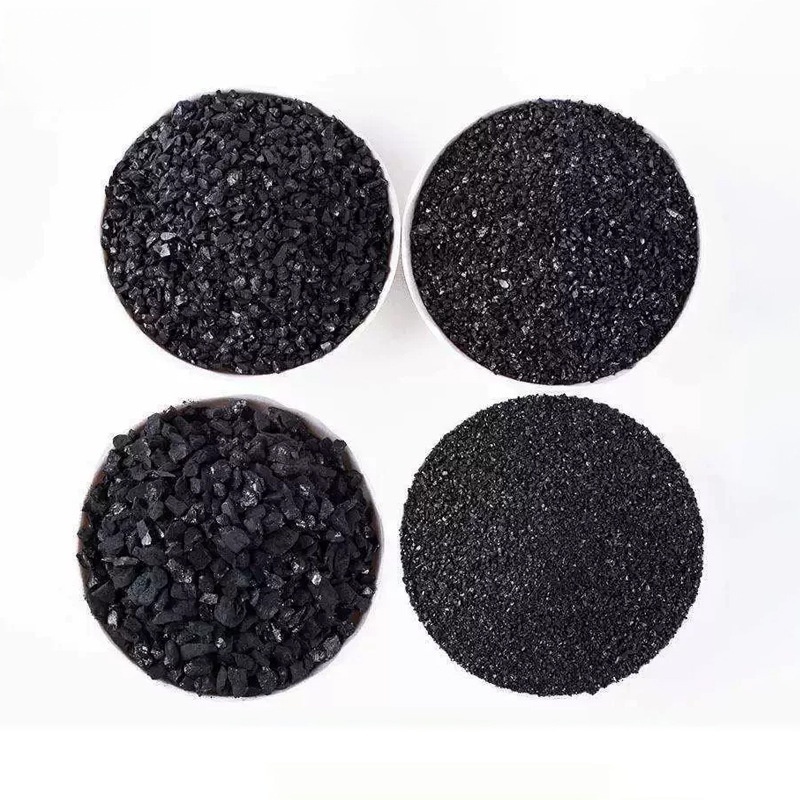
The water treatment industry has increasingly stringent requirements for material performance. Coconut shell granular activated carbon has become a core material for industrial wastewater treatment and drinking water purification due to its high specific surface area, strong adsorption capacity, and stability. Munrong (Shanghai) International Trade Co., Ltd. has developed unique advantages in the activated carbon trading sector through years of technological accumulation. This article will analyze the core value of coconut shell granular activated carbon from three aspects: technical principles, application scenarios, and corporate strength.
Keywords
Coconut shell granular activated carbon, water treatment materials, Murong International Trade, adsorption efficiency, industrial wastewater treatment
Opening Remarks on Industry's Technological Pain Points
Traditional water treatment materials often face issues such as insufficient adsorption capacity, low regeneration efficiency, and significant cost fluctuations. For example, coal-based activated carbon, while inexpensive, has a much lower specific surface area (typically <800 m²/g) compared to coconut shell carbon (which can reach 1500 m²/g), resulting in a heavy metal ion removal rate of less than 60%. Although wood-based activated carbon exhibits excellent adsorption performance, its poor mechanical strength makes it prone to breakage during backwashing, compromising system stability. Additionally, the lack of professional selection guidance in some enterprises leads to盲目 (blind) procurement, resulting in material waste or substandard treatment outcomes, which has become a common pain point in the industry.
Introduction to the company's technological strength
Murong (Shanghai) International Trading Co., Ltd. has been deeply engaged in the field of water treatment materials for many years, forming an integrated model of "technology + trade + services". Its core advantages are reflected in three aspects:
STEP 1: Precise Technology Selection
Based on water quality analysis data (such as COD, BOD, and heavy metal concentrations) and in combination with treatment processes (such as MBR and A²O), the company's team customizes activated carbon selection plans for clients. For example, for hexavalent chromium (Cr⁶⁺) in electroplating wastewater, coconut shell granular activated carbon with an iodine value ≥ 1000 mg/g is recommended. Its pore size distribution (with micropores of 0.5-2 nm accounting for over 70%) enables efficient capture of ionic pollutants, achieving a measured removal rate of 92%.
STEP 2: Specialization of Supply Chain Management
Murong has established long-term cooperation with high-quality coconut shell suppliers in Southeast Asia, ensuring full quality control from raw material screening (selecting only coconut shells with a maturity of ≥12 months) to carbonization and activation processes (using a physical method combined with steam activation, with temperatures controlled at 850-900℃). Its product specifications cover particle sizes ranging from 0.5-8mm, with a strength of ≥90% and an ash content of ≤5%, making them suitable for filtration systems with different flow rates.
STEP 3: Full-cycle technical services
The company provides full-process support ranging from installation and commissioning to regeneration and recycling. For instance, in a wastewater treatment project at a chemical industrial park, Murong's technicians extended the system's operational cycle by 40% and reduced the cost of treating each ton of water by 15% by adjusting the activated carbon filling height (from 1.2m to 1.5m) and the backwash cycle (from 24h to 12h).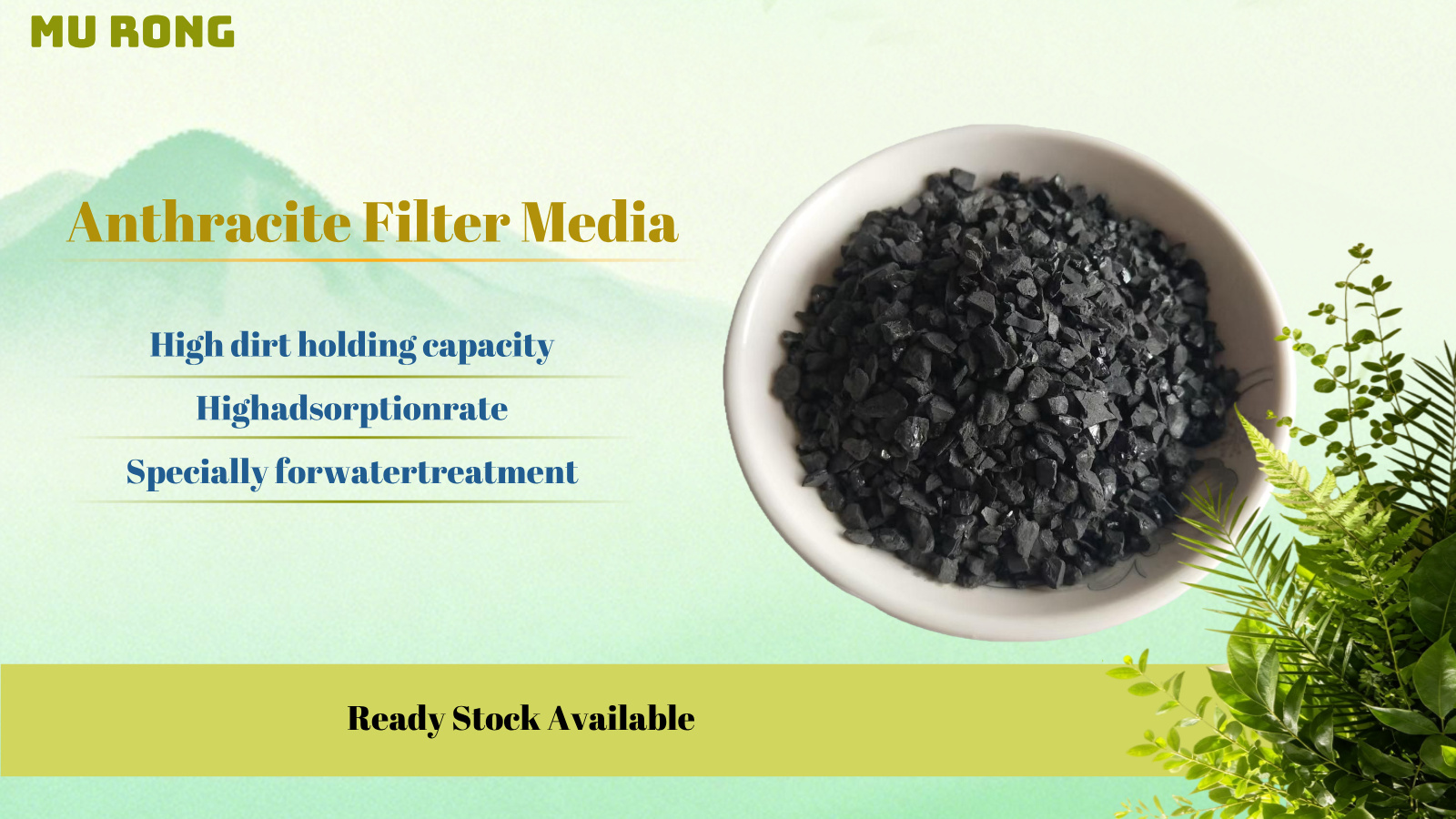
For more information, please visit the official website:www.shanghaimurong.com
FAQ Q&A Technical Selection Guide
Q1: How to select the particle size of activated carbon based on water quality?
A: For high-flow-rate systems (e.g., >15 m/h), it is recommended to use a particle size of 2-4 mm to reduce pressure drop; for low-flow-rate systems (e.g., <5 m/h), a fine particle size of 0.5-1 mm can be used to enhance contact efficiency. The standard deviation of Murong product's particle size distribution is ≤0.3 mm, ensuring uniform packing.
Q2: How to determine the regeneration cycle of activated carbon?
A: The regeneration cycle needs to be calculated by combining the influent pollutant concentration and adsorption capacity. For example, when the influent COD is 200 mg/L, the treatment capacity of coconut shell charcoal with an iodine value of 1000 mg/g can reach 800-1000 BV (bed volumes), at which point thermal regeneration (at a temperature of 400-600°C) or chemical regeneration (soaking in a 2% NaOH solution) is required. Murong provides regeneration effectiveness testing services to ensure that the recovery rate of adsorption capacity after regeneration is ≥85%.
Q3: What is the cost difference between coconut shell charcoal and coal-based charcoal?
A: The unit price of coconut shell activated carbon is typically 20-30% higher than that of coal-based activated carbon, but its total lifecycle cost is lower. Taking a project at a printing and dyeing factory as an example, after using coconut shell activated carbon, the frequency of filter material replacement decreased from four times a year to twice a year, and the effluent COD remained stable at ≤50 mg/L, resulting in an 18% reduction in overall costs. Murong has controlled the price of coconut shell activated carbon within a reasonable market range through bulk purchasing and optimized logistics.
Reference for Full Text Summary
The technological advantages of coconut shell granular activated carbon stem from its unique pore structure and stable chemical properties, while Murong (Shanghai) International Trading Co., Ltd. translates this technological value into practical application effects through precise selection, a professional supply chain, and full-cycle services. Data shows that its clients' projects have achieved an average 25% increase in treatment efficiency and a 15% reduction in operating costs, validating the feasibility of the "technology + trade" model. Looking ahead, as environmental protection standards are upgraded, the application potential of coconut shell carbon in areas such as the purification of slightly polluted water sources and industrial waste gas treatment will be further unlocked, and Murong will continue to deepen its technological布局 (strategic deployment) to provide clients with more efficient solutions.