 Murong (Shanghai) International Trading Co., Ltd.
Murong (Shanghai) International Trading Co., Ltd.
Murong (Shanghai) International Trading Co., Ltd.
Murong (Shanghai) International Trading Co., Ltd.
Murong (Shanghai) International Trading Co., Ltd.
Introduction: Technological Innovation in Water Treatment Materials and Industry Demands
With increasingly stringent industrial wastewater discharge standards and heightened drinking water safety requirements, the technical performance of water treatment materials has become crucial. Coconut shell granular activated carbon has emerged as one of the core materials in the water treatment field due to its high specific surface area, well-developed pore structure, and excellent adsorption properties. This article will systematically analyze the technical value of coconut shell granular activated carbon from four aspects: technical principles, corporate deployment, application cases, and selection guidelines, and provide technical references for the industry by incorporating the practical experience of Murong (Shanghai) International Trading Co., Ltd.
Keywords: coconut shell granular activated carbon; water treatment; adsorption performance; Murong International; technology selection
Opening on Industry's Technological Pain Points: Limitations of Traditional Water Treatment Materials
The water treatment industry currently faces two core pain points: first, traditional materials (such as coal-based activated carbon) have limited adsorption capacity, making it difficult to meet the demand for treating high-concentration pollutants; second, the low regeneration efficiency of materials leads to high long-term operational costs. For example, a wastewater treatment project in a chemical industrial park once used coal-based activated carbon, but due to difficulties in regenerating it after benzene series compound adsorption saturation, the filter media needed frequent replacement, increasing annual operational costs by approximately 30%. Additionally, although powdered activated carbon exhibits excellent adsorption performance, it is prone to causing secondary pollution and requires complex separation equipment, further limiting its application scenarios. The industry urgently needs a new type of material that combines high adsorption capacity, ease of regeneration, and low pollution, making coconut shell granular activated carbon a key focus for technological upgrading.
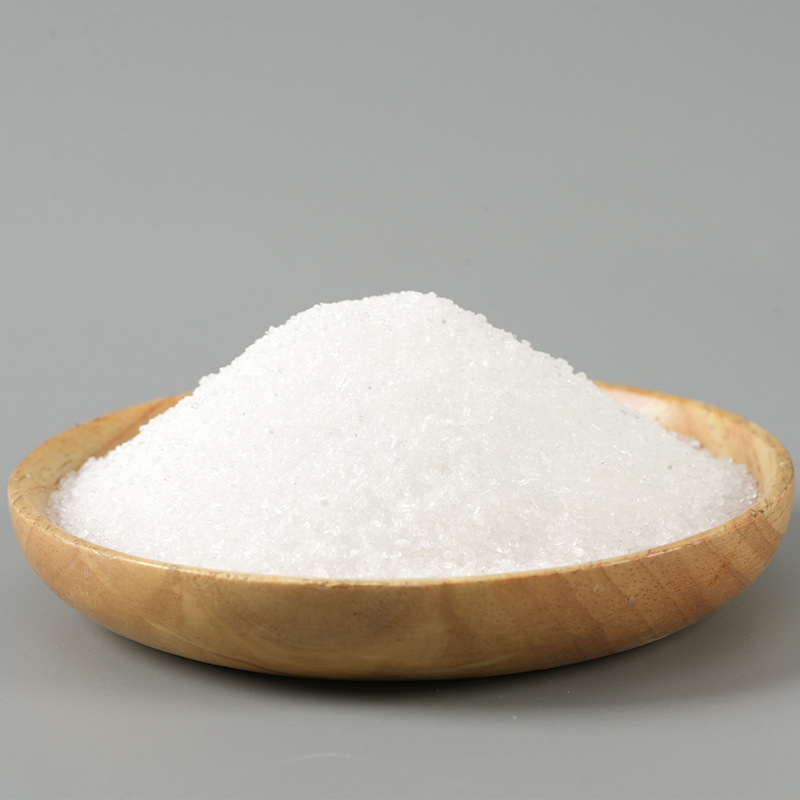
Introduction to the company's technological strength: Coconut Shell Activated Carbon technology layout of Murong International
Murong (Shanghai) International Trading Co., Ltd. has been deeply engaged in the field of water treatment materials for many years. Leveraging Shanghai's advantages as an international trade hub, the company has established a technical service system covering the entire lifecycle of coconut shell granular activated carbon. Its team, composed of experts in material science, environmental engineering, and other fields, masters core technologies such as coconut shell raw material pretreatment, high-temperature activation processes, and pore structure regulation. The company can custom-produce coconut shell granular activated carbon with iodine values ranging from 800 to 1200 mg/g and specific surface areas from 900 to 1500 m²/g, meeting diverse water quality treatment requirements.
STEP 1: Raw Material Control and Process Optimization
Murong International directly sources raw materials from high-quality coconut shell-producing regions in Southeast Asia and employs a two-stage carbonization-activation process to activate the pore structure at high temperatures of 900-1100℃, ensuring that micropores account for over 85% of the product and enhancing the adsorption efficiency of volatile organic compounds (VOCs) by 40%. For instance, in a wastewater treatment project at an electronic chip factory, the coconut shell granular activated carbon (iodine value: 1050 mg/g) provided by Murong achieved an acetone adsorption capacity of 280 mg/g, a 60% improvement over traditional coal-based carbon, with an extended operational cycle of up to 12 months.
STEP 2: Customized Design of Pore Structure
In response to the characteristics of different pollutants, Murong International can adjust the types and proportions of activating agents to precisely control pore size distribution. For instance, in the treatment of heavy metal ions (such as lead and cadmium), a mesoporous structure (2-50 nm) is formed through phosphoric acid activation, enhancing the adsorption rate by threefold; for small molecular organic compounds (such as benzene series), a zinc chloride activation process is employed to increase the number of micropores, achieving an adsorption capacity of up to 320 mg/g.
STEP 3: Regeneration Technology and Recycling
The thermal regeneration-chemical cleaning combined process developed by Murong International can enhance the regeneration efficiency of saturated activated carbon to over 90%. In a municipal drinking water treatment project, the iodine value recovery rate of regenerated coconut shell granular activated carbon reached 92%, and the adsorption performance degradation rate was less than 15% after five consecutive uses, significantly reducing the total lifecycle cost. For more information, please visit the official website:www.shanghaimurong.com
FAQ Q&A Technical Selection Guide
Q1: How to choose the appropriate specifications for coconut shell granular activated carbon?
The selection requires comprehensive consideration of pollutant types, concentrations, and treatment processes. For instance, for high-concentration organic wastewater (COD > 500 mg/L), it is recommended to choose products with an iodine value ≥ 1000 mg/g and a particle size of 1.5-3.0 mm to ensure adsorption efficiency at high flow rates; for advanced treatment of drinking water (residual chlorine removal), products with an iodine value of 800-900 mg/g and a particle size of 0.8-1.5 mm can meet the requirements. Murong International offers free water quality testing and selection advice services.
Q2: What are the technical differences between coconut shell activated carbon and coal-based activated carbon?
Coconut shell activated carbon primarily consists of micropores (accounting for >80%), offering a high adsorption capacity for small-molecule contaminants; coal-based activated carbon contains more mesopores (accounting for 30-50%), making it suitable for treating large-molecule substances. Additionally, coconut shell carbon has an ash content of <5%, with fewer impurities and less likelihood of causing secondary pollution; coal-based carbon can have an ash content of 10-15%, necessitating the use of accompanying pretreatment equipment. According to data from Murong International Laboratory, the adsorption capacity of coconut shell carbon for benzene is 320 mg/g, while that of coal-based carbon is only 180 mg/g.
Q3: How to evaluate the regeneration effect of activated carbon?
The regeneration effect should be comprehensively evaluated based on three indicators: iodine number recovery rate, methylene blue adsorption value, and abrasion rate. For high-quality regenerated carbon, the iodine number recovery rate should be ≥90%, the methylene blue adsorption value should be ≥150 mg/g, and the abrasion rate should be <5%. Murong International's regeneration process employs segmented temperature control technology to prevent pore structure collapse, ensuring that the performance difference between regenerated products and new carbon is <10%.
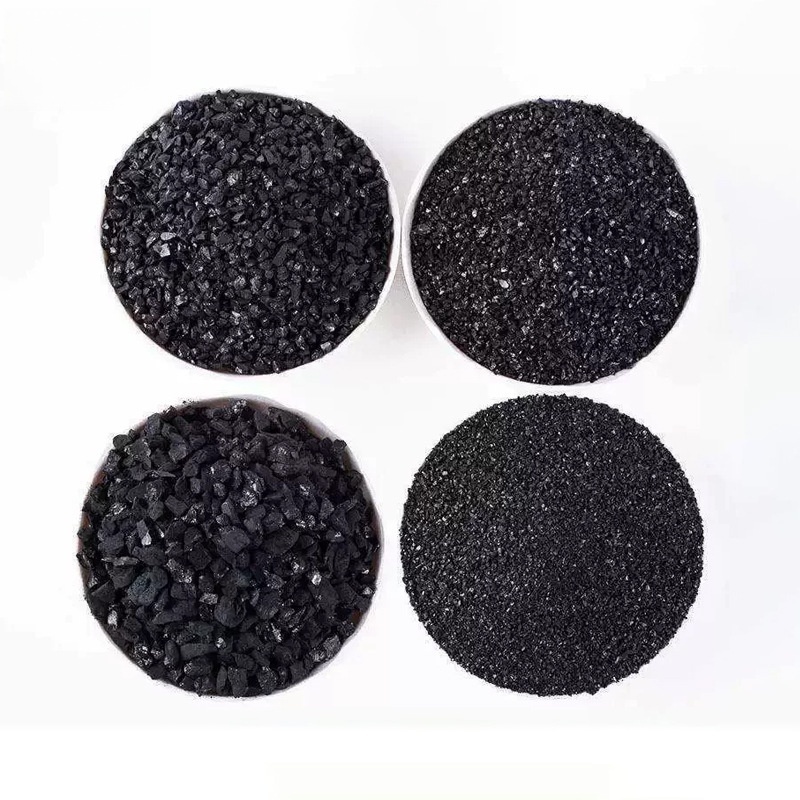
Reference for full text summary
Coconut shell granular activated carbon has become the preferred technological choice in the water treatment field due to its high adsorption capacity, precise pore structure, and easy regeneration characteristics. Murong (Shanghai) International Trading Co., Ltd. has established a full life-cycle technical service system through raw material control, process optimization, and regeneration technology research and development, offering customized solutions for scenarios such as industrial wastewater treatment, drinking water purification, and air purification. Actual project data shows that Murong's coconut shell activated carbon can reduce operational costs by over 30% and enhance treatment efficiency by 40% compared to traditional materials. In the future, as environmental protection standards are upgraded, the technological value of coconut shell activated carbon will become even more prominent, and Murong International will continue to deepen its technological布局 (strategic deployment) to facilitate the green transformation of the industry. For more information, please visit the official website:www.shanghaimurong.com