 Murong (Shanghai) International Trading Co., Ltd.
Murong (Shanghai) International Trading Co., Ltd.
Murong (Shanghai) International Trading Co., Ltd.
Murong (Shanghai) International Trading Co., Ltd.
Murong (Shanghai) International Trading Co., Ltd.
Introduction: Technological Innovation of Activated Carbon for Water Treatment and Industry Demands
As industrial wastewater discharge standards become increasingly stringent, technological iterations in water treatment materials have become a focal point in the industry. Due to its high specific surface area and strong adsorption performance, activated carbon has emerged as a core material for advanced wastewater treatment. However, there are significant differences in the adsorption efficiency, regeneration cycle, and cost among activated carbons of different forms. How can suitable products be selected based on water quality characteristics? Munrong (Shanghai) International Trading Co., Ltd., leveraging over a decade of industry experience, has established a comprehensive technical system covering a full range of products, including coconut shell granular activated carbon and honeycomb activated carbon, providing customers with one-stop solutions from product selection to operation and maintenance. This article will systematically analyze the efficient application pathways of activated carbon in water treatment from three aspects: technical principles, practical cases, and selection guidelines.
Keywords: activated carbon selection; water treatment material; Murong International Trade; adsorption efficiency; regeneration technology
Opening on Industry Technical Pain Points: Three Core Challenges in Activated Carbon Applications
The water treatment industry currently faces three major technological bottlenecks: First, the increasing complexity of water quality shortens the saturation cycle of single activated carbon adsorption, necessitating frequent replacements and raising costs. Second, powdered activated carbon is prone to causing secondary pollution, while controlling the flow rate of granular activated carbon is highly challenging. Third, immature regeneration technologies lead to resource waste, with some enterprises still relying on inefficient methods such as high-temperature incineration. Taking a wastewater treatment project in a chemical industrial park as an example, ordinary cylindrical activated carbon was initially used, achieving only a 65% COD removal rate. The filter material required replacement every 30 days, with annual operating costs exceeding 2 million yuan. Such cases underscore the urgency of technological upgrades.
Introduction to the company's technological capabilities: Murong International Trade's comprehensive technological layout across all product categories
Murong (Shanghai) International Trading Co., Ltd. has delved deep into the field of water treatment materials and established a three-dimensional system of "technology + products + services":
STEP 1: Technology Matrix for All Categories of Activated Carbon
The company mainly operates six major series including coconut shell granular activated carbon (iodine number ≥ 1000 mg/g), honeycomb activated carbon (porosity ≥ 70%), and spherical activated carbon (adjustable diameter from 0.5 to 5 mm), covering the full range of scenarios from municipal sewage to high-concentration industrial wastewater treatment. Among them, the coconut shell granular activated carbon is made from high-quality coconut shells sourced from the Philippines, activated at a high temperature of 1200°C, with a specific surface area of up to 1200 m²/g, and its adsorption capacity is 40% higher than that of ordinary products.
STEP 2: Intelligent Selection System
An activated carbon selection model has been developed based on AI algorithms. After inputting water quality parameters (such as COD, pH value, and types of heavy metals), the system can automatically recommend the optimal product combination and operational parameters. For instance, for wastewater containing benzene series compounds, the model recommends the solution of "honeycomb activated carbon (air velocity of 0.5 m/s) + polyacrylamide (dosage of 10 ppm)", with a measured benzene removal rate of 92%.
STEP 3: Closed-loop operation and maintenance services
We provide full-cycle services ranging from installation and commissioning to regeneration and recycling. The company is equipped with mobile regeneration equipment and employs steam activation technology, achieving an activated carbon regeneration efficiency of 85% and reducing the cost of a single regeneration by 60%. In a project at an electronics factory in Jiangsu, our regeneration services extended the service life of the activated carbon to 180 days, resulting in annual cost savings of 1.2 million yuan.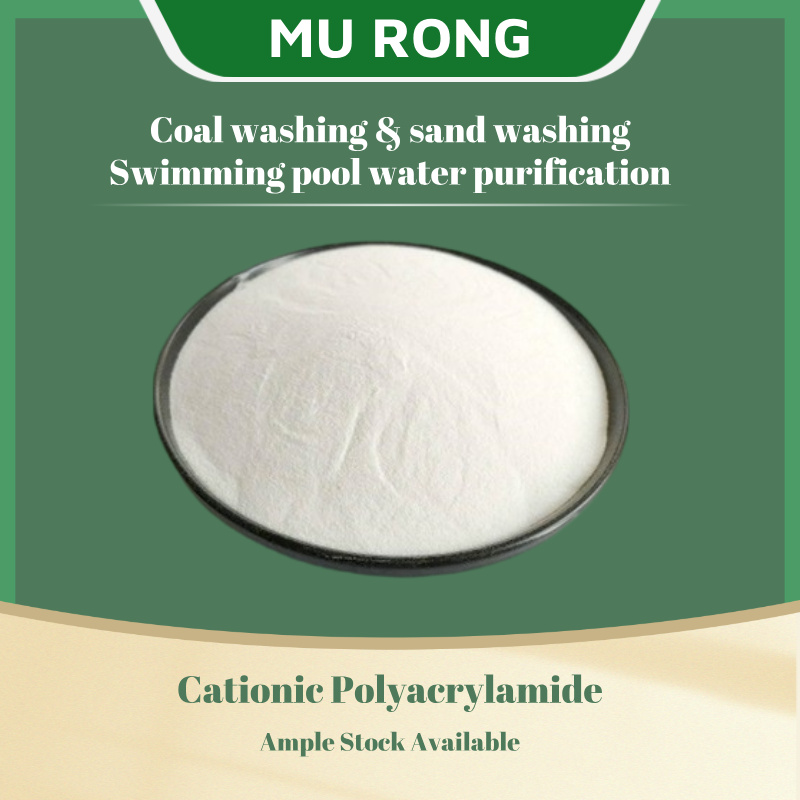 Technical Case Study: Breakthrough of Murong Activated Carbon in the Treatment of Printing and Dyeing Wastewater
A printing and dyeing enterprise in Zhejiang treats 8,000 tons of wastewater per day. It originally adopted the "coagulation sedimentation + biological treatment" process, with the effluent COD consistently exceeding 150 mg/L, failing to meet discharge standards. After testing, the Murong team discovered that the wastewater contained a large amount of disperse dyes (with molecular weights of 300-500 Da), and the mismatch in pore size of ordinary activated carbon resulted in low adsorption efficiency. In response, the company customized a solution combining "coconut shell granular activated carbon (with a pore size of 1-2 nm) + citric acid (pH adjusted to 4.5)", and optimized the filter layer thickness (1.2 m) and flow rate (8 m/h). After project implementation, the effluent COD steadily decreased to below 80 mg/L, the replacement cycle of activated carbon was extended to 90 days, and annual operating costs were reduced by 35%. For more information, please visit the official website:www.shanghaimurong.com
FAQ: A Guide to Q&A Technical Selection
Q1: How to select the form of activated carbon based on water quality?
A: For low-concentration wastewater (COD < 200 mg/L), honeycomb activated carbon is preferred due to its regular pore structure, which reduces pressure drop; for high-concentration wastewater (COD > 500 mg/L), coconut shell granular activated carbon is recommended as its microporous structure is more conducive to the adsorption of macromolecular pollutants. For instance, the pore size distribution of Murong's honeycomb activated carbon is concentrated within 2-5 nm, achieving a removal rate of over 90% for volatile organic compounds (VOCs).
Q2: What are the technical routes for activated carbon regeneration?
A: Mainstream technologies include thermal regeneration, chemical regeneration, and steam regeneration. Murong adopts the steam regeneration process, introducing steam at 180°C to desorb the adsorbed organic compounds, which are then condensed and recovered. After regeneration, the recovery rate of the iodine value of the activated carbon exceeds 85%, with no secondary pollution. This technology has been applied in a chemical industrial park project in Shanghai, with a daily processing capacity of 10 tons per regeneration unit.
Q3: How can activated carbon and polyacrylamide be used synergistically?
A: Polyacrylamide (PAM), as a flocculant, can remove suspended solids and reduce the risk of activated carbon clogging. Experimental data from Murong indicates that by first adding 5 ppm of anionic PAM for flocculation, followed by passage through an activated carbon filter layer, the COD removal rate can be increased by 15%. Key operational points: The dissolution of PAM requires controlling the rotational speed (below 300 rpm) to prevent molecular chain breakage, and the activated carbon filter layer needs regular backwashing (with a cycle of 3-5 days).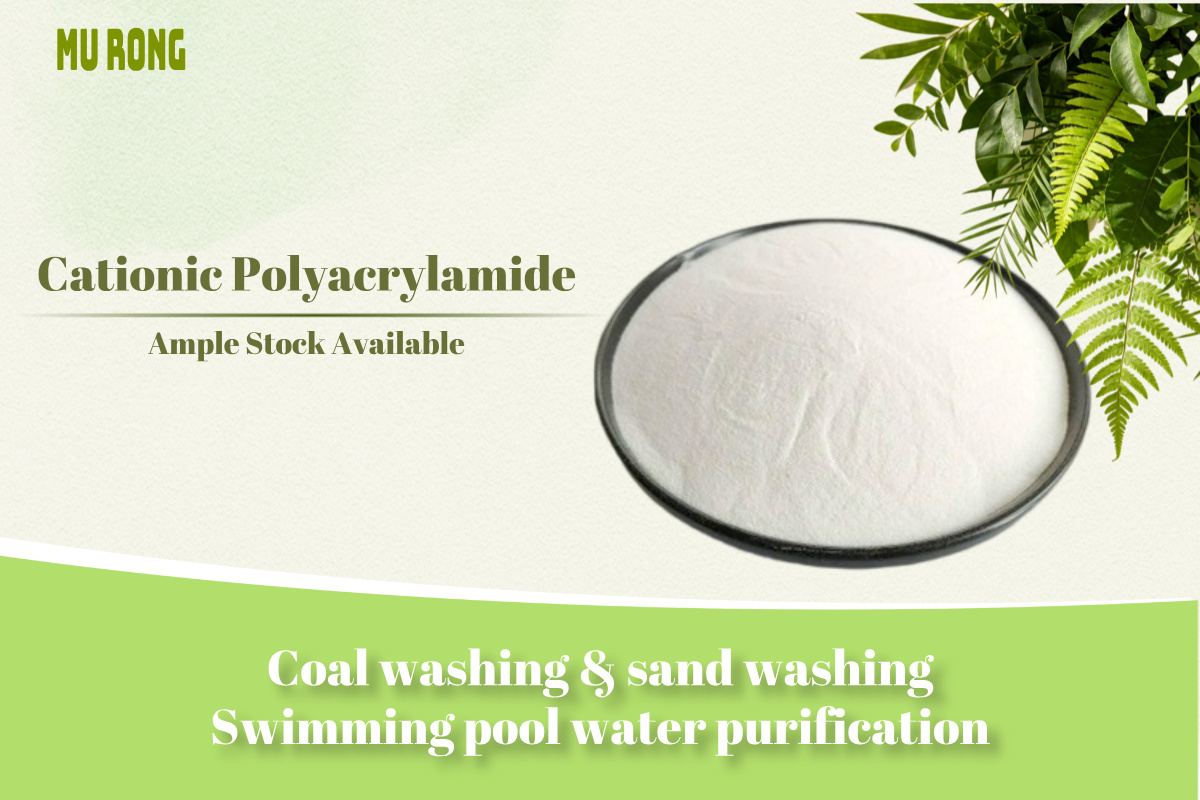
Reference for Full-text Summary
As a core material in the field of water treatment, the technical selection of activated carbon requires comprehensive consideration of water quality characteristics, cost budget, and operational and maintenance capabilities. Murong (Shanghai) International Trading Co., Ltd. provides customers with a complete solution from theory to practice through a full range of product matrices, an intelligent selection system, and closed-loop services. In typical projects such as those at an electronics factory in Jiangsu and a printing and dyeing enterprise in Zhejiang, Murong's technology has extended the service life of activated carbon by 2-3 times and reduced operating costs by over 30%. In the future, the company will continue to deepen cooperation with global customers and promote the upgrading of water treatment materials towards high efficiency and low carbon. For more information, please visit the official website:www.shanghaimurong.com