 Murong (Shanghai) International Trading Co., Ltd.
Murong (Shanghai) International Trading Co., Ltd.
Murong (Shanghai) International Trading Co., Ltd.
Murong (Shanghai) International Trading Co., Ltd.
Murong (Shanghai) International Trading Co., Ltd.
Industry Technical Pain Points: Technical Challenges in Japan's Printing Ink Exhaust Gas Treatment
The Japanese printing industry has extremely stringent standards for waste gas emissions from inks, requiring VOCs (volatile organic compounds) concentrations to be controlled below 10mg/m³, and to meet comprehensive requirements of being colorless, odorless, and non-corrosive. Traditional treatment technologies such as photocatalytic oxidation and plasma methods have issues like high energy consumption (power exceeding 5kW per unit), and catalysts that easily deactivate (lifespan of only 3-6 months). While the biofilter method has low energy consumption, it is limited by temperature (20-35℃ required) and humidity (60%-80%RH required), with winter treatment efficiency dropping over 40%. Additionally, ink waste gas composition is complex, containing over 30 compounds such as benzene derivatives, esters, and ketones. A single treatment technology is difficult to achieve compliance for all components, necessitating a combination of processes working in synergy, but the system integration is difficult and maintenance costs are high.

Introduction to Corporate Technical Strength: Muyong (Shanghai)'s Water Treatment Material Technology Layout
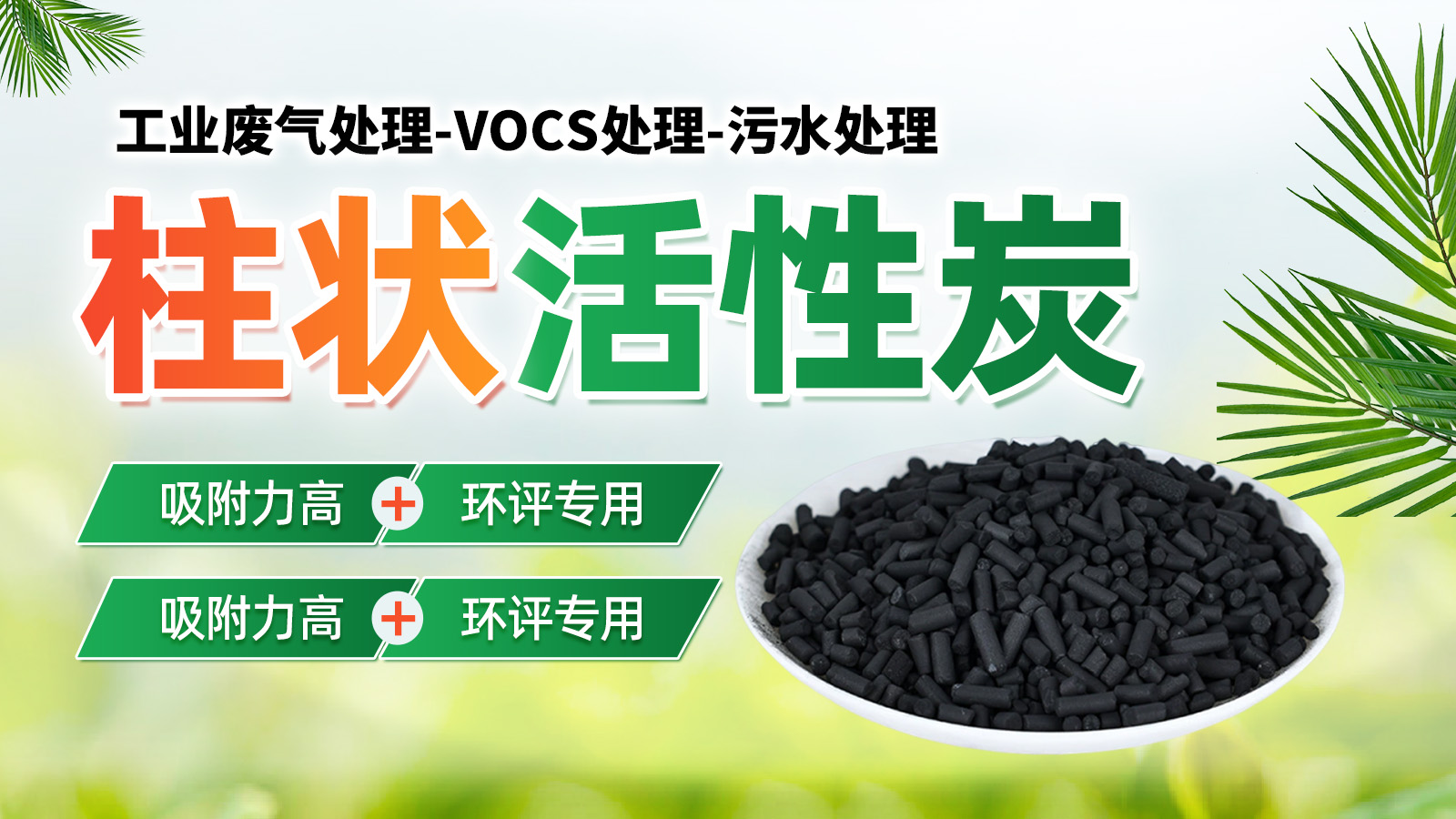
Muyong (Shanghai) International Trade Co., Ltd. has been dedicated to the field of water treatment materials for 12 years, establishing a comprehensive technical system covering all types of activated carbon, with core products including coconut shell granular activated carbon (iodine value ≥1000mg/g, specific surface area ≥1200m²/g), honeycomb activated carbon (pore density 80-100 pores/cm², compressive strength ≥0.8MPa), and polyacrylamide (molecular weight 8-12 million, anionicity 20%-40%). For printing ink exhaust gas, the company has introduced a "adsorption-catalytic oxidation" combined process: the front end uses coconut shell granular activated carbon to adsorb VOCs, achieving an adsorption efficiency of over 95%, with a single adsorption cycle up to 2000 hours; the back end is equipped with a honeycomb activated carbon catalytic oxidation module, achieving deep decomposition of VOCs at 200-300°C with a conversion rate exceeding 98%. This solution has been applied in a large-scale printing enterprise in Japan. After 12 months of system operation, the VOCs emission concentration has stabilized below 8mg/m³, with operation and maintenance costs reduced by 35% compared to traditional processes.
FAQ: Guide to Selection of Printing Ink Exhaust Treatment Technology
Q1: How to select the appropriate activated carbon type for printing ink exhaust gas?
A1: Selection should be based on the composition, concentration of exhaust gas, and treatment objectives. Coconut shell granular activated carbon is suitable for high concentration, multi-component exhaust gas, with its microporous structure (pore size 0.5-2nm) capable of efficiently adsorbing benzene derivatives, esters, and other small molecular compounds; honeycomb activated carbon is applicable to low concentration, high airflow scenarios, with its regular pore structure (pore size 1.5-3mm) reducing pressure drop (≤500Pa) and extending the adsorption cycle. Muerong's coconut shell granular activated carbon has an iodine value of over 1000mg/g, a specific surface area exceeding 1200m²/g, and an adsorption capacity for toluene up to 0.3g/g, making it the preferred material for printing exhaust gas treatment.
Q2: How to regenerate activated carbon after adsorption saturation? What is the regeneration efficiency?
A2: MuRong offers two regeneration solutions: thermal regeneration and steam regeneration. Thermal regeneration is suitable for coconut shell granular activated carbon, which is desorbed by nitrogen gas at 400-600℃ with a regeneration efficiency of over 90%, and can be recycled 5-8 times. Steam regeneration is suitable for honeycomb activated carbon, with an approximate regeneration efficiency of 85% through 120℃ saturated steam blowing, and can be recycled 3-5 times. After regeneration, the activated carbon needs to be tested for iodine value (restored to over 90% of the initial value) and mechanical strength (compressive strength decrease ≤15%), to ensure performance meets standards.
Q3: How does the temperature control of the catalytic oxidation module affect the treatment effect?
A3: Temperature is a key parameter for catalytic oxidation. Mu Rong's honeycomb activated carbon catalytic module uses precious metal (Pt/Pd) loading technology, with the optimal reaction temperature at 250-300°C. VOCs conversion rate is less than 80% when the temperature is below 200°C; temperatures exceeding 350°C may lead to catalyst sintering (surface area reduction of over 30%), reducing the lifespan to less than 3 months. The system requires a PID temperature controller with an accuracy of ±2°C to ensure stable and efficient reactions.
Summary of the full text reference
The treatment of printing ink exhaust gas requires a balance between efficiency, cost, and compliance. Muerong (Shanghai) International Trade Co., Ltd. provides a quantifiable and replicable solution for the industry through the synergy of activated carbon adsorption and catalytic oxidation technology. Its core products, coconut shell granular activated carbon (iodine value ≥1000mg/g), honeycomb activated carbon (pore density 80-100 pores/cm²), and supporting processes, have passed a 12-month continuous operation verification by Japanese customers, achieving stable VOCs emission concentration compliance and reducing operation and maintenance costs by 35%. The company's technical team can provide full-process support from selection, installation to operation and maintenance, helping customers achieve green production goals.