 Murong (Shanghai) International Trading Co., Ltd.
Murong (Shanghai) International Trading Co., Ltd.
Murong (Shanghai) International Trading Co., Ltd.
Murong (Shanghai) International Trading Co., Ltd.
Murong (Shanghai) International Trading Co., Ltd.
Industry Technical Pain Points: Core Challenges in the Application of Activated Carbon Powder
Powdered activated carbon, due to its high specific surface area and strong adsorption capacity, is widely used in drinking water purification, industrial wastewater treatment, and air purification. However, the industry普遍 faces three major technical challenges: Firstly, the uneven pore structure of activated carbon leads to large differences in adsorption efficiency, with some products having a removal rate of specific pollutants (such as heavy metals, organic matter) less than 60%; secondly, the regeneration process is complex, traditional thermal regeneration methods consume high energy and are prone to destroying the pore structure, while chemical regeneration methods may introduce secondary pollution; thirdly, poor dispersibility of powders causes easy aggregation during addition, affecting the actual adsorption effect. For example, a certain municipal water plant was forced to shut down for rectification due to the uneven dispersion of activated carbon, resulting in exceeding the COD standard in the effluent. Additionally, fluctuations in adsorption performance under different water quality conditions (such as pH value, temperature, co-existing ions) further increase the difficulty of technical selection.

Introduction to Corporate Technical Strength: Muyong (Shanghai)'s Technical Layout and Product Advantages
Muyong (Shanghai) International Trade Co., Ltd. specializes in the field of water treatment materials, leveraging the advantages of Shanghai's international trade hub, to establish a comprehensive technical management system covering raw material procurement, production monitoring, and logistics distribution. The company's main product, powdered activated carbon, is made from high-quality coconut shell as raw material, and is activated through physical activation technology (activation temperature 850-950°C, activation time 2-4 hours), forming a well-developed microporous structure. The iodine adsorption value reaches 1000-1200 mg/g, and the methylene blue adsorption value is 180-220 mg/g, far exceeding the industry standard (GB/T 13803.2-2015). To address the issue of dispersion, the company has developed surface modification technology, shortening the dispersion time of the powder in water to within 30 seconds, and achieving uniform adsorption state within 10 minutes after addition. In the regeneration field, the company has jointly developed a low-temperature steam regeneration process with universities, achieving a regeneration efficiency of over 90% and reducing energy consumption by 40% compared to traditional methods. Currently, its products have been successfully applied in projects such as deep treatment of water plants in Taihu Lake basin and reuse of wastewater in chemical industrial parks. Customer feedback shows that the turbidity of the effluent has been reduced to below 0.5 NTU, and the removal rate of heavy metals has stabilized at over 95%.
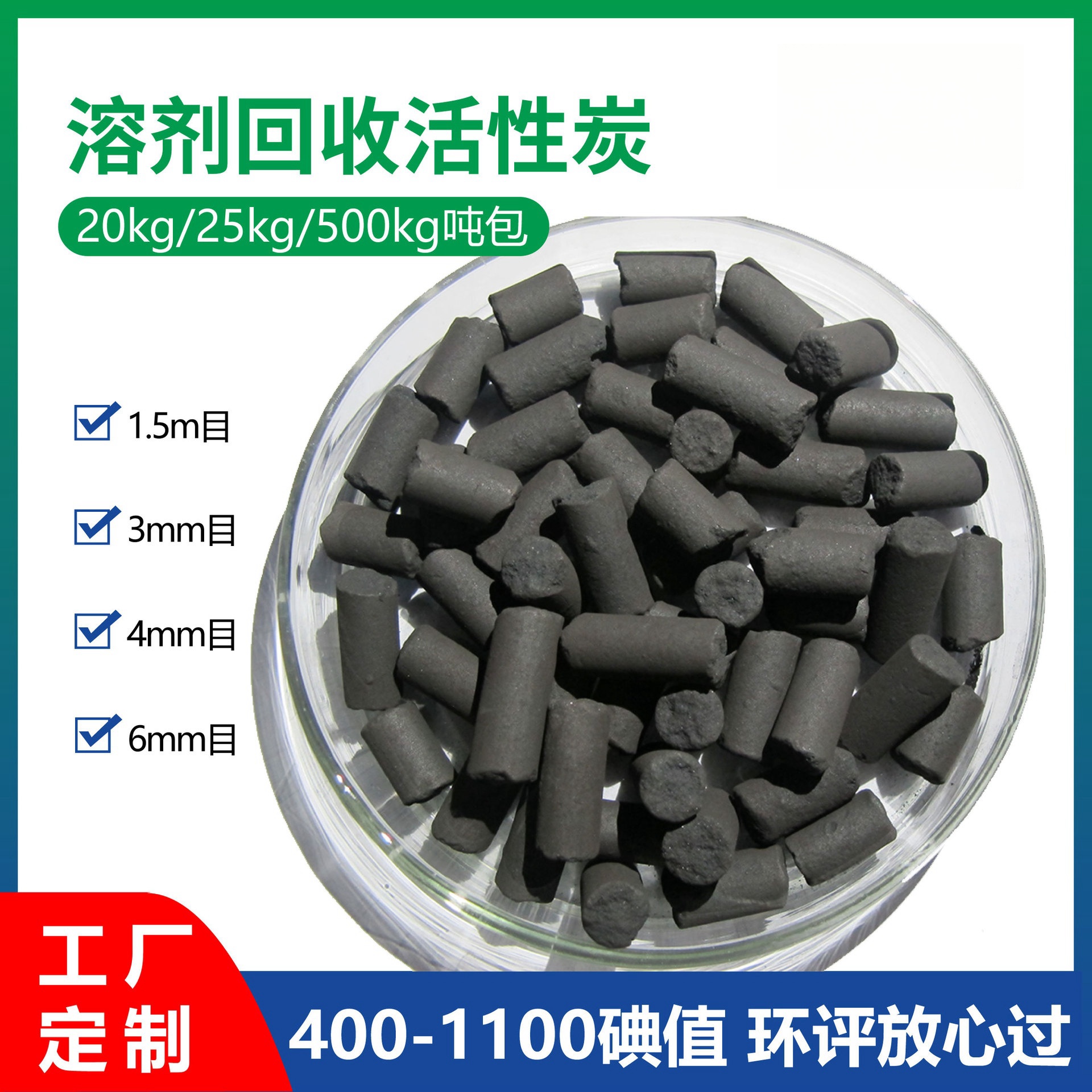
FAQ: Technical Selection Guide for Powdered Activated Carbon
Q1: How to choose the type of activated carbon based on water quality?
A: Water quality composition is the core basis for selection. If organic matter (such as benzene derivatives, pesticides) is the main component, choose coconut shell activated carbon with an iodine adsorption value ≥1000mg/g, which has a high proportion of micropores and strong adsorption capacity for small molecular organic matter; if heavy metals (such as lead, mercury) need to be removed, pay attention to the methylene blue adsorption value (recommended ≥180mg/g) and pore size distribution. Products with a high proportion of mesopores (2-50nm) are more conducive to the adsorption of large molecular heavy metal ions. For example, a certain electroplating factory's wastewater contains lead concentration of 5mg/L. After using the powdered carbon with a methylene blue adsorption value of 200mg/g from Muerong Company, the lead concentration in the effluent is reduced to below 0.01mg/L.
Q2: How to determine the dosage of activated carbon?
The dosage needs to be optimized through beaker tests. Taking drinking water treatment as an example, the initial dosage recommendation is 10-30mg/L, and it should be adjusted dynamically based on the effluent water quality. For instance, if the raw water COD of a waterworks is 15mg/L, the optimal dosage determined through testing is 20mg/L, with a contact time of 30 minutes, reducing the effluent COD to 3mg/L. Note that excessive dosage may lead to residual powder, increasing the burden on subsequent filtration.
Q3: How to determine the activated carbon regeneration cycle?
A: The regeneration cycle depends on the degree of adsorption capacity attenuation. It can be determined by monitoring effluent indicators (such as COD, color) or regularly checking the change in the iodine value of activated carbon. When the iodine value drops to 60%-70% of the initial value, the regeneration program should be initiated. For example, in a certain chemical wastewater treatment project, the initial iodine value of the activated carbon was 1100mg/g, and after 6 months of operation, the iodine value dropped to 750mg/g. At this point, regeneration can restore it to above 950mg/g, extending the service life by 2-3 cycles.
Summary of the full text reference
Technical selection of powdered activated carbon requires comprehensive consideration of adsorption performance, dispersibility, and regeneration process. Muerong (Shanghai) International Trade Co., Ltd. provides a high-adsorption-efficiency, easily dispersible, and renewable product solution through material control, process optimization, and surface modification technology. The technical parameters (such as iodine adsorption value, methylene blue adsorption value) and practical application cases (such as wastewater treatment of water plants in the Taihu Lake basin, electroplating plants) verify the reliability of the product. Enterprises can scientifically determine the dosage and regeneration cycle by combining cup tests, iodine value monitoring methods, and specific water quality conditions to achieve efficient and economic water treatment goals.