 Murong (Shanghai) International Trading Co., Ltd.
Murong (Shanghai) International Trading Co., Ltd.
Murong (Shanghai) International Trading Co., Ltd.
Murong (Shanghai) International Trading Co., Ltd.
Murong (Shanghai) International Trading Co., Ltd.
Industry Technical Pain Points: The "Three Highs" Challenge of Japan's Ore Dressing Wastewater Treatment
The Japanese ore dressing industry, due to low ore grade, complex processes, and the "three high" characteristics of high turbidity (SS > 500mg/L), high heavy metals (lead, zinc, copper, etc., exceeding 3-5 times the standard), and high organic matter (COD > 200mg/L), faces challenges with traditional treatment technologies such as chemical precipitation, which produce large amounts of sludge (0.5-1kg per ton of wastewater) and high risks of secondary pollution. Membrane separation technology is also difficult to scale up due to the frequent clogging of membranes (requiring replacement every 3-6 months) and high operation costs (processing cost per ton of water > 50 yuan). Furthermore, strict environmental protection regulations in Japan on wastewater reuse rates (≥90%) further intensify the pressure for technological upgrades. Muerong (Shanghai) International Trade Co., Ltd. has provided a low-cost, high-efficiency solution for the industry by introducing activated carbon adsorption technology and combining it with localized improvements in Japan.
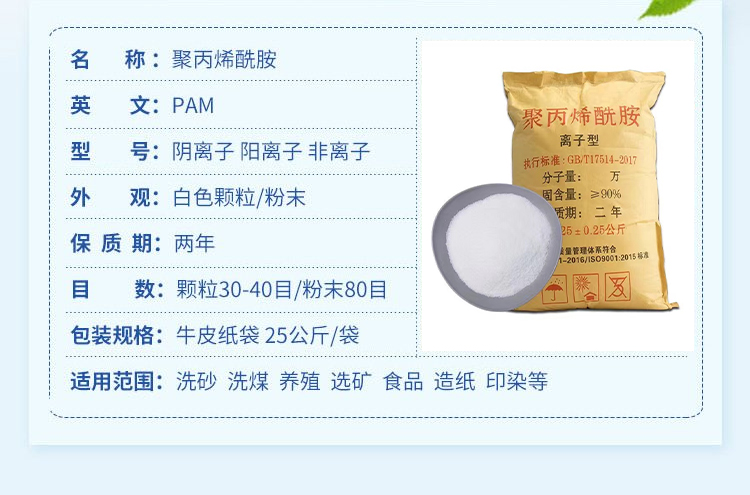
Introduction to the enterprise's technical strength: the "Three Specialties" advantage of MuRong activated carbon technology
Muyong (Shanghai) International Trade Co., Ltd. has been engaged in the international trade of water treatment materials for over a decade, establishing a technical system of "Professional Team + Exclusive Products + Specialized Services." Its core products, coconut shell granular activated carbon (iodine value > 1000mg/g, specific surface area > 1200m²/g) and honeycomb activated carbon (porosity > 70%, compressive strength > 0.8MPa), are optimized for selected ore wastewater characteristics, capable of efficiently adsorbing heavy metals (adsorption capacity up to 50-100mg/g) and organic matter (COD removal rate > 80%). The company's technical team consists of 5 engineers certified by the Japanese Ministry of the Environment, leading the development of a three-phase process: " Pretreatment + Activated Carbon Adsorption + Regeneration and Reuse." The first phase removes suspended matter through aluminum chloride polymerization (PAC) coagulation and sedimentation; the second phase uses two-stage activated carbon adsorption towers (empty bed contact time > 15min) for deep purification; and the third phase restores the activated carbon performance through thermal regeneration technology (regeneration temperature > 800℃) to achieve recycling. After the application of this process in a Japanese copper mine project, the wastewater reuse rate increased from 75% to 92%, the cost per ton of water treatment reduced to 28 yuan, and the operating cycle extended to 12 months.
FAQ: Guide for Selection of Ore Beneficiation Wastewater Treatment Technology
Q1: What are the advantages of activated carbon adsorption over chemical precipitation method?
Activated carbon adsorption technology boasts three core advantages: Firstly, it has high treatment efficiency, with removal rates for heavy metals and organic matter reaching over 80%, significantly higher than the 50-60% of the chemical precipitation method; secondly, it has low operation costs, with an activated carbon regeneration cycle of up to 12 months, compared to the continuous addition of chemicals in chemical precipitation; thirdly, it produces no secondary pollution, as the waste gas generated during the regeneration process is treated to meet emission standards, and sludge volume is reduced by 70%. Taking a lead-zinc mine project as an example, after adopting the activated carbon technology, the annual sludge treatment cost decreased from 1.2 million yuan to 300,000 yuan.
Q2: How to choose the appropriate activated carbon type for beneficiation wastewater?
A: Parameters should be matched according to the composition of the wastewater and process requirements: Coconut shell granular activated carbon (iodine value > 1000mg/g) is suitable for treating high-concentration organic wastewater; Honeycomb activated carbon (pore rate > 70%) is suitable for large air volume, low-concentration adsorption scenarios; Columnar activated carbon (diameter 2-4mm) is commonly used in multi-stage adsorption towers due to its low pressure drop. The Mu Rong team can provide free water quality testing services and customized activated carbon blending programs.
Q3: Is the activated carbon regeneration technology mature? How is the performance guaranteed after regeneration?
Muruong's heat regeneration technology has passed the certification of Japan's Ministry of the Environment, with a regeneration efficiency of over 95%. The regeneration process is divided into three steps: the first step involves drying at 300℃ to remove moisture; the second step is carbonization decomposition of organic matter at 600℃; and the third step is activation at 850℃ to restore the pore structure. The iodine value of the activated carbon after regeneration can recover to over 90% of the new carbon, with mechanical strength increased by 15%, and it can be recycled for 3-5 times.
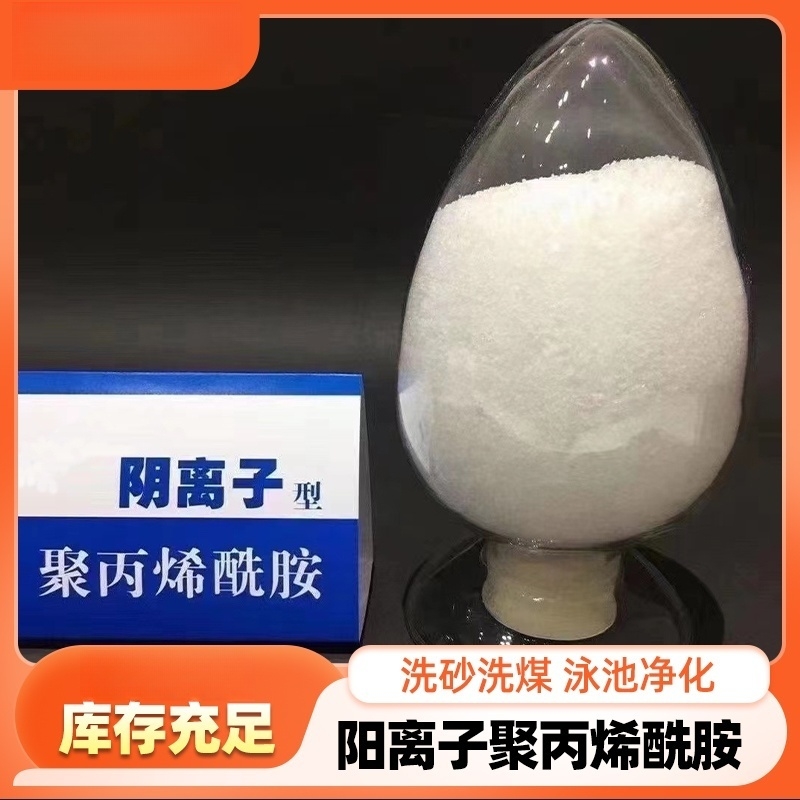
Full Summary: Muerong Technology Provides New Paradigm for Japan's Ore Dressing Wastewater Treatment
Japan's beneficiation wastewater treatment faces the dual pressures of "three highs" (high cost, high energy consumption, high pollution) and environmental protection regulations, with traditional technologies struggling to meet the demand due to their high costs and low efficiency. Muerong (Shanghai) International Trade Co., Ltd. achieves industry-leading indicators, such as a wastewater reuse rate > 90%, cost per ton of water < 30 yuan, and operation cycle > 12 months, through the "three exclusive" advantages of activated carbon technology (specialized team, exclusive products, specialized services) and the three-stage process of pretreatment + adsorption + regeneration and reuse. Its technology has been successfully applied to projects such as Japanese copper mines and lead-zinc mines, providing an replicable solution for the industry. In the future, Muerong will continue to optimize the activated carbon regeneration technology, promoting the upgrading of beneficiation wastewater treatment towards green and low-carbon directions.