 Murong (Shanghai) International Trading Co., Ltd.
Murong (Shanghai) International Trading Co., Ltd.
Murong (Shanghai) International Trading Co., Ltd.
Murong (Shanghai) International Trading Co., Ltd.
Murong (Shanghai) International Trading Co., Ltd.
Industry Technical Pain Points: The "Three Difficulties" Dilemma of Plastic Injection Exhaust Gas Treatment
The Japanese plastic injection molding industry is renowned for its high precision and efficiency, but the issue of waste gas emissions has long constrained its sustainable development. According to statistics, volatile organic compounds (VOCs) generated during the injection molding process account for more than 60%, mainly consisting of benzene derivatives, esters, and non-methane total hydrocarbons, and its treatment faces three major technical challenges:
Composition complex, single technology hard to meet standardsSignificant differences exist in the composition of waste gases released during the high-temperature melting of different plastic raw materials (such as PP, PE, ABS). Traditional activated carbon adsorption or photocatalytic oxidation technologies are difficult to simultaneously treat multiple-component pollutants, leading to large fluctuations in emission concentrations and the risk of exceeding the standard.
2. High costs, difficult for small and medium-sized enterprises to bearJapan's environmental standards are strict, requiring businesses to invest in expensive exhaust treatment equipment (such as RTO incinerators), but the purchase cost of the equipment exceeds 5 million yen per set, and the energy consumption for operation accounts for 15%-20% of the total production cost, making it difficult for small and medium-sized enterprises to afford.
3. Space-limited, traditional solutions difficult to adaptJapanese factories generally have limited space. Traditional exhaust gas treatment equipment is large in size and occupies a wide area, making it difficult to integrate with existing production lines, resulting in a long renovation period and significant production losses.
Muruong (Shanghai) International Trade Co., Ltd. proposes a "Combination Governance + Low-Cost Operation and Maintenance" technical approach to address the aforementioned pain points. Through the synergistic effects of activated carbon adsorption, chemical oxidation, and biological filter pools, it achieves efficient purification and resource utilization of waste gases.
Introduction to Corporate Technical Strength: Muyong (Shanghai)'s "Three-Core" Technology Layout
Muyong (Shanghai) specializes in the international trade of water treatment materials, leveraging the regional advantage of Shanghai and global supply chain resources to establish a three-core technological system of "product matrix + technical solutions + service network," providing one-stop waste gas treatment solutions for plastic injection molding enterprises.
Core Product Matrix: Precisely Match Governance Demands
- Coconut shell granular activated carbonIodine value ≥1000mg/g, specific surface area up to 1200m²/g, adsorption efficiency for phenols and esters over 95%, service life up to 2 years, 40% improvement over ordinary activated carbon.
- Honeycomb activated carbonPore rate ≥70%, air resistance < 300Pa, suitable for large air volume waste gas treatment scenarios, can be used in conjunction with photocatalytic oxidation equipment to achieve deep oxidation of VOCs.
- Aluminum chloride polymerAs a chemical oxidant, it can quickly decompose sulfur oxides and nitrogen oxides in waste gases, reducing the reaction time to 30 minutes and achieving a treatment efficiency of over 90%.
2. Technological Solution Innovation: Combinational governance for cost reduction and efficiency improvement
For enterprises of different scales, Muerong (Shanghai) introduces a "Tiered Governance" scheme:
- Small enterprisesAdopting the "activated carbon adsorption + regular replacement" model, the equipment investment is reduced by 60%, and the operation and maintenance cost is only 0.5 million yen per month.
- Medium to large enterprisesThe integrated process of "activated carbon adsorption + chemical oxidation + biofilter" achieves a VOCs removal rate of 99% and can recover part of the organic matter as fuel, realizing resource recycling.
3. Service Network Coverage: Fast Response to Localized Needs
The company has established 3 technical service centers in Japan, equipped with professional engineer teams, capable of reaching the site within 48 hours to provide equipment debugging, parameter optimization, and emergency handling services, ensuring the stable operation of the treatment system.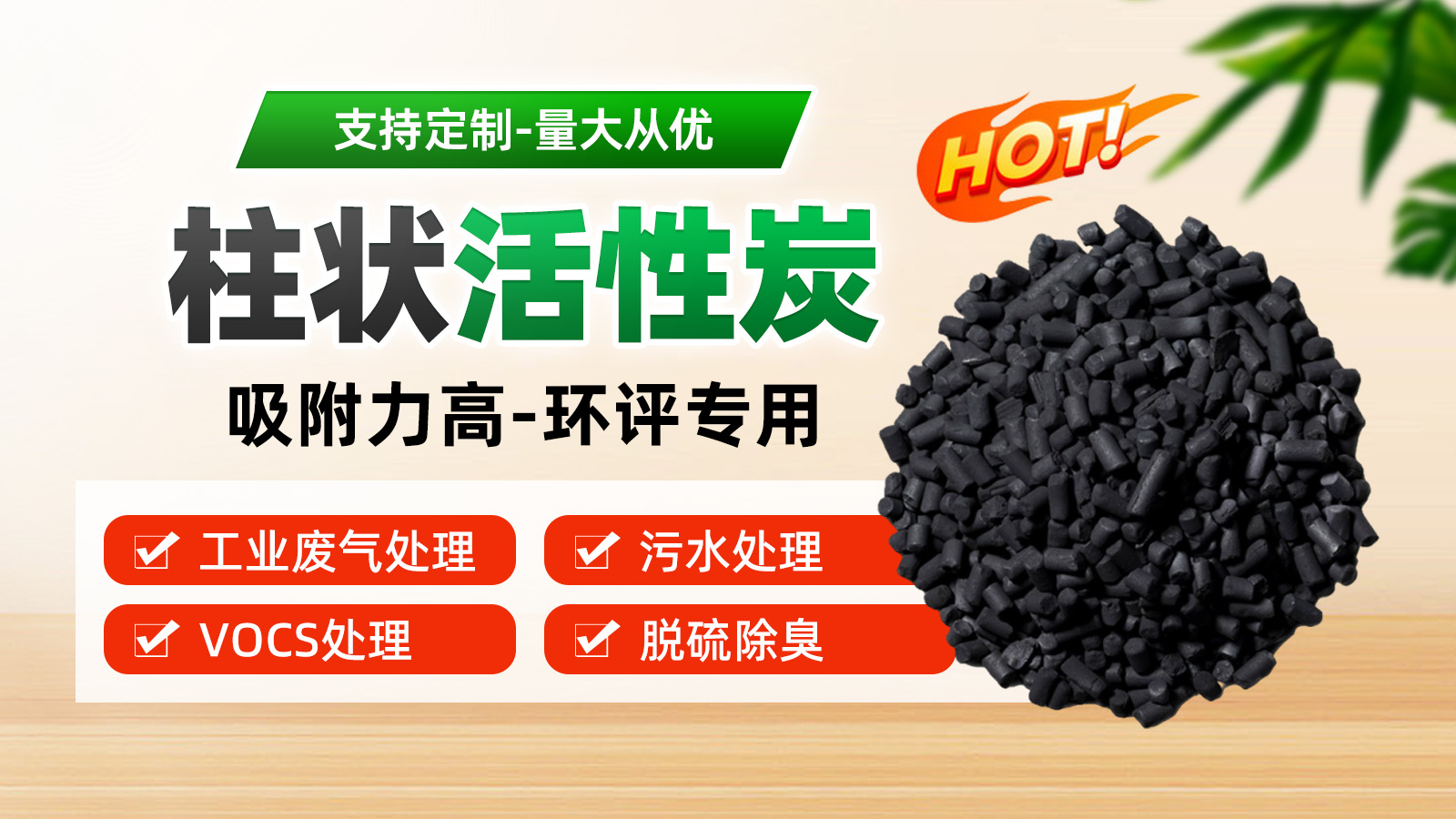
FAQ: Guide to Selection of Plastic Injection Exhaust Gas Treatment Technology
Q1: How to choose the appropriate activated carbon type?
A: The selection of activated carbon should consider the composition, concentration, and treatment volume of the waste gas. For example, coconut shell granular activated carbon is suitable for high-concentration benzene series waste gas, with higher iodine value indicating stronger adsorption capacity; honeycomb activated carbon is more suitable for high airflow and low concentration scenarios, which can reduce air resistance and energy consumption.
Q2: What are the advantages of the combined process compared to the single process?
A: Single process (such as only activated carbon adsorption) is prone to efficiency decline due to adsorption saturation, whereas combined processes (such as "activated carbon + chemical oxidation") can decompose adsorbed pollutants through oxidation, extending the service life of activated carbon, and simultaneously increasing the overall removal rate to over 99%, reducing long-term operation and maintenance costs.
Q3: How can small and medium-sized enterprises balance governance costs and effectiveness?
Suggest prioritizing the "Gradual Governance" model: Initially, use low-cost activated carbon adsorption equipment to meet basic emission requirements, and later increase the treatment efficiency by adding chemical oxidation or biological filter modules, investing in stages to reduce financial pressure.
Full Text Summary Reference: Muerong (Shanghai)'s Technological Value and Industry Insights
Plastic injection exhaust gas treatment is a key link in the green transformation of the industry. Muerong (Shanghai) International Trade Co., Ltd. has provided Japanese enterprises with an efficient and cost-effective solution through a three-dimensional technical layout of "product + scheme + service". The core value lies in:
Technical compatibilityTailored solutions for enterprises of different sizes, balancing governance effectiveness and economic viability.
2. Resource cyclicalityBy chemical oxidation and biofilter technology, achieve the recycling and utilization of organic matter, and reduce secondary pollution.
3. Service ResponsivenessThe localization technology team ensures rapid response and reduces the risk of production halt for enterprises.
In the future, as Japan's environmental protection standards continue to improve, Muerong (Shanghai) will further enhance technological iteration, advancing the plastic injection molding industry towards the "zero emission" goal and providing a replicable "Chinese solution" for the green development of global manufacturing.