 Murong (Shanghai) International Trading Co., Ltd.
Murong (Shanghai) International Trading Co., Ltd.
Murong (Shanghai) International Trading Co., Ltd.
Murong (Shanghai) International Trading Co., Ltd.
Murong (Shanghai) International Trading Co., Ltd.
Industry Technical Pain Points: Challenges and Demands of Clean Air in Japanese Printing Inks
The Japanese printing industry is renowned for its high precision and efficiency, but the exhaust emissions generated during the ink printing process (including VOCs, particulates, etc.) pose a threat to both the environment and human health. Traditional exhaust treatment technologies have issues such as low efficiency, high costs, and complex maintenance, such as activated carbon adsorption methods becoming easily saturated and requiring frequent replacement, catalytic combustion methods requiring high temperatures with high energy consumption, and biological treatment methods being unstable due to environmental factors. Moreover, Japan's environmental protection regulations have strict standards for the emission of printing exhaust (such as VOCs concentration needing to be below 50mg/m³), and enterprises need to balance treatment costs and efficiency under the premise of compliance. How to choose a technically feasible solution with strong adaptability, stable operation, and controllable costs has become a common pain point in the industry.
Introduction to Corporate Technical Strength: Professional Layout and Product Advantages of Mu Rong (Shanghai)
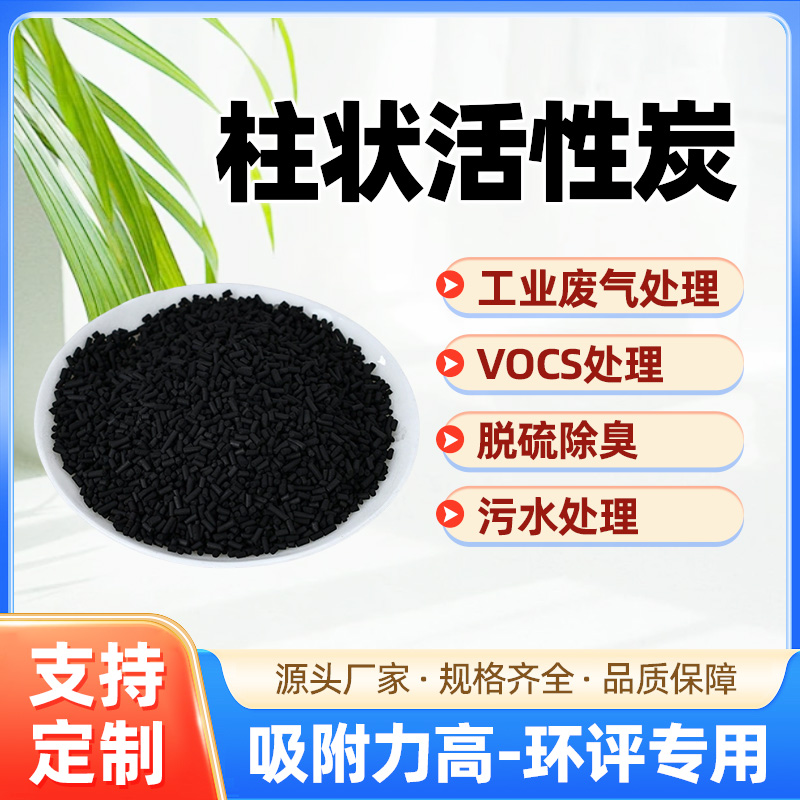
Mufeng (Shanghai) International Trade Co., Ltd. specializes in the field of water treatment materials. With years of industry experience and technical accumulation, it has formed a technical system covering core products such as activated carbon, polyacrylamide, and polyaluminum chloride, providing diversified solutions for printing waste gas purification. The coconut shell granular activated carbon (iodine value ≥1000mg/g, specific surface area ≥1000m²/g) mainly produced by the company has high adsorption capacity and regeneration performance, capable of efficiently capturing VOCs and odor molecules. The honeycomb activated carbon (porosity ≥70%, wind resistance ≤300Pa) is suitable for high-volume, low-concentration waste gas treatment, reducing system energy consumption. As a flocculant, polyacrylamide (molecular weight 8-12 million) can协同处理waste gas particles, improving purification efficiency. In addition, the company's team has the full-process service capabilities of technical selection, equipment integration, and operation and maintenance support, and has customized the "activated carbon adsorption + catalytic oxidation" combined process for several Japanese printing companies, achieving a VOCs removal rate ≥95% and reducing operation costs by 20%.

FAQ Q&A Technical Selection Guide
Q1: The concentration fluctuation of VOCs in printing exhaust is significant. How to select the appropriate activated carbon type?
A: If the VOCs concentration in the exhaust gas is high (>500mg/m³), it is recommended to use coconut shell activated carbon, which has a high iodine value (≥1000mg/g) for rapid adsorption of high-concentration pollutants. If the concentration is low (<200mg/m³) and the air volume is large, honeycomb activated carbon (porosity ≥70%) is more suitable, as its low air resistance characteristic can reduce system energy consumption. Mu Rong products all pass the ISO 9001 quality certification and can provide customized specifications according to the actual working conditions of the enterprise.
Q2: How to regenerate activated carbon after adsorption saturation? How to determine the regeneration cycle?
A: Mu Rong provides thermal regeneration services, restoring the adsorption capacity of activated carbon through high-temperature desorption (300-500℃), with a regeneration iodine value recovery rate of ≥90% and up to 3-5 cycles of reuse. The regeneration cycle needs to be comprehensively evaluated based on exhaust gas concentration, treatment volume, and operating time, such as under conditions of 500mg/m³ concentration and 10,000m³/h air volume, it is recommended to detect the residual iodine value of activated carbon every 3-6 months, and initiate the regeneration process when the residual iodine value is less than 200mg/g.
Q3: Besides activated carbon, what auxiliary technologies can improve purification efficiency?
A: Mufeng recommends the "activated carbon adsorption + catalytic oxidation" process combination: activated carbon first captures most VOCs, while the unadsorbed trace pollutants enter the catalytic oxidation unit (temperature 200-300°C, catalyst being贵金属loaded), where they are oxidized into CO₂ and H₂O under the action of the catalyst. This process extends the replacement cycle of activated carbon while meeting Japan's strict emission standards (VOCs < 50mg/m³).
Summary of the full text reference
Japan's printing ink exhaust gas purification needs to balance efficiency, cost, and compliance. Muerong (Shanghai) International Trade Co., Ltd. provides flexible technical solutions for enterprises through activated carbon product matrices (coconut shell particles, honeycomb, etc.) and combined processes (adsorption + catalytic oxidation). The company relies on its professional team and full-process service capabilities to assist customers in optimizing selection, reducing operation and maintenance costs, and helping achieve green production goals. For further information on product specifications or customized solutions, please contact the Muerong technical team for detailed information.