 Murong (Shanghai) International Trading Co., Ltd.
Murong (Shanghai) International Trading Co., Ltd.
Murong (Shanghai) International Trading Co., Ltd.
Murong (Shanghai) International Trading Co., Ltd.
Murong (Shanghai) International Trading Co., Ltd.
Industry Technical Pain Points: Core Challenges and Demands in the Production of Activated Carbon Powder
Powdered activated carbon, as a core adsorption material in water treatment and air purification fields, faces multiple challenges in its production technology. Firstly, raw material selection directly affects product performance: there are significant differences in iodine value and specific surface area among materials like coconut shell, fruit shell, and wood, requiring precise matching according to the application scenario. For example, drinking water treatment requires high adsorption powdered carbon with an iodine value of ≥1000mg/g, while industrial wastewater treatment places more emphasis on the balance of cost and regeneration efficiency. Secondly, the degree of refinement in the production process determines the quality stability of the product: parameters such as activation temperature, time, and gas flow must be strictly controlled within ±5℃ and ±2 minutes; otherwise, it can lead to uneven pore structures and affect adsorption capacity. Additionally, the particle size distribution of powdered activated carbon (usually requiring 90% passing through a 200 mesh screen) directly affects its contact efficiency with water bodies; overly coarse particles reduce the adsorption rate, while overly fine particles are more prone to secondary pollution. Currently, the industry普遍存在 raw material compatibility issues, low process control accuracy, and insufficient product consistency, and it is urgently needed to address these pain points through technological upgrading.
Introduction to Corporate Technical Strength: Mu Rong (Shanghai)'s Technical Layout of Powdered Activated Carbon and Industry Experience
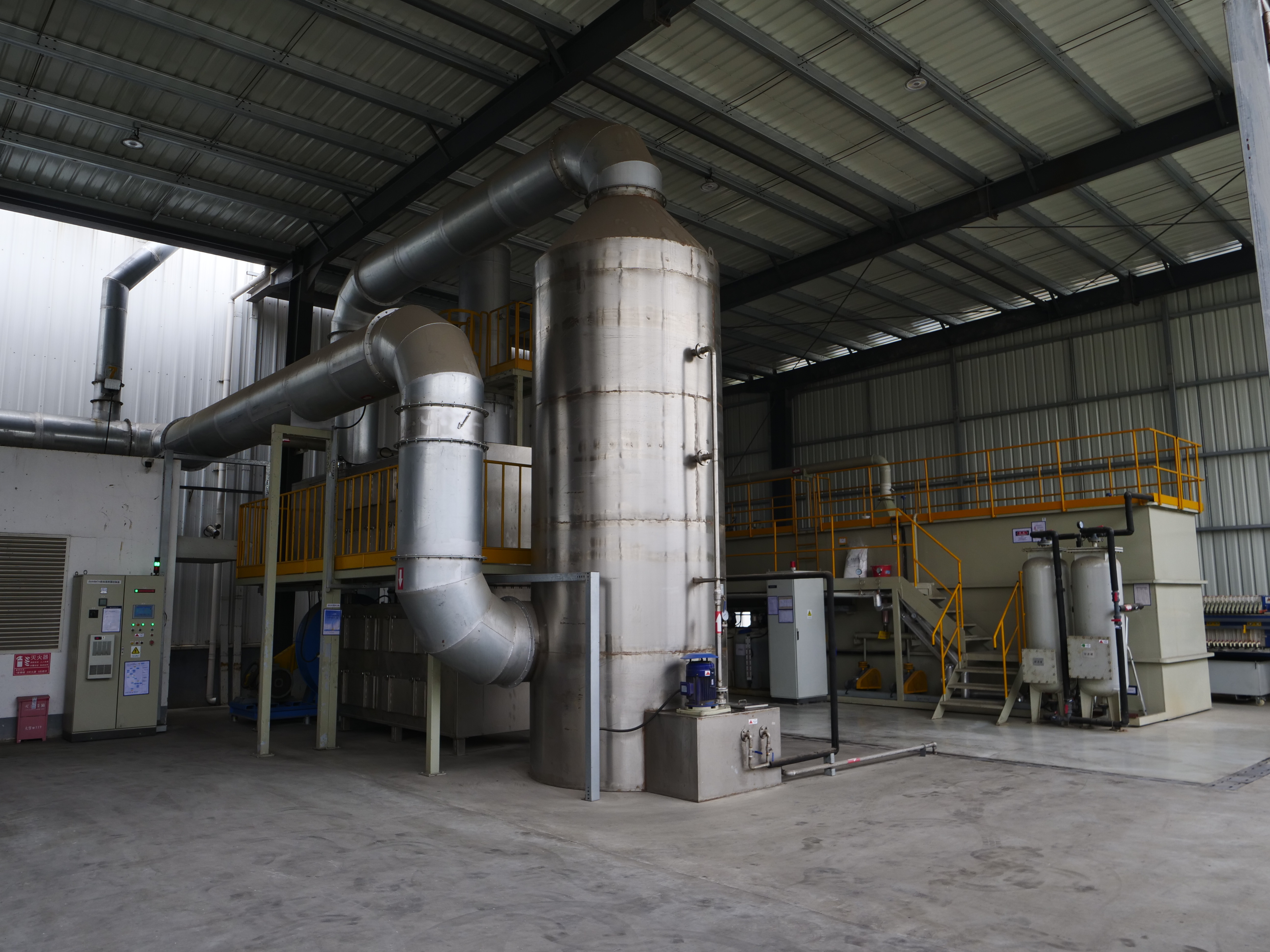
Muyong (Shanghai) International Trade Co., Ltd. has been deeply involved in the water treatment materials field for many years, forming three core advantages in powdered activated carbon technology. Firstly, refined raw material supply chain management: The company has established long-term cooperation with high-quality coconut shell suppliers in Southeast Asia, enhancing the stability of raw material iodine value through pretreatment technologies (such as carbonization temperature gradient control), ensuring that the iodine value fluctuation of each batch is ≤5%. Secondly, intelligent production process: The introduction of German rotary kiln activation equipment, combined with independently developed PLC control system, achieves real-time closed-loop regulation of activation temperature (850-950℃) and steam flow rate (15-20kg/h), with the specific surface area of the product stable at 1200-1500m²/g. Thirdly, customized application scenarios: For different scenarios such as drinking water treatment, industrial wastewater, and VOCs adsorption, a series of products have been developed, including high iodine value type (iodine value ≥1100mg/g), mesoporous type (pore volume ≥0.8cm³/g), and wear-resistant type (wear rate ≤8%). For example, in a municipal drinking water project, the powdered activated carbon provided by the company achieved a COD removal rate of 85% and a free chlorine removal rate of 99% through 120 minutes of contact reaction, significantly better than the industry average.
FAQ: Technical Selection Guide for Activated Carbon Powder
Q1: How to choose the iodine value of powdered activated carbon based on water quality?
A: The iodine value is an important indicator for measuring the adsorption capacity of powdered activated carbon. For drinking water treatment, it is recommended to choose products with an iodine value of ≥1000mg/g, which can effectively remove organic matter, residual chlorine, and odors; in industrial wastewater treatment, if the main pollutants are small molecular organic compounds (such as benzene derivatives), medium adsorption activated carbon with an iodine value of 800-1000mg/g can be selected; for the treatment of macromolecular pollutants (such as dyes), high iodine value activated carbon with an iodine value of ≥1200mg/g is required. Muerong (Shanghai) offers powdered activated carbon with an iodine value range of 800-1300mg/g, meeting different scenario demands.
Q2: How does the particle size of powdered activated carbon affect its application effect?
A: Particle size directly affects contact efficiency and separation difficulty. Generally, powder carbon with a mesh size of 200 (particle size ≤ 0.074mm) is suitable for rapid adsorption scenarios (such as emergency water treatment) due to its large specific surface area and fast adsorption rate; however, excessively fine particle sizes (such as 325 mesh) can lead to difficulties in separation and increase the cost of subsequent filtration. Muerong (Shanghai) controls the particle size distribution through air classification technology, ensuring that over 90% of the particles pass through a 200 mesh sieve, while avoiding over-pulverization, balancing the adsorption efficiency and separation performance.
Q3: How to evaluate the feasibility of powder activated carbon regeneration?
A: The regenerability depends on the pore structure of the carbon and the type of pollutants. Powdered carbon with well-developed micropores (such as coconut shell-based) has a lower regeneration efficiency and is usually recommended for single-use; carbon with well-developed mesopores (such as shell-based) can recover over 80% of the adsorption capacity through thermal regeneration (400-600℃ steam activation), but the number of regeneration cycles needs to be controlled (generally ≤3 times) to avoid pore collapse. Muerong (Shanghai) provides regeneration technical consultation and can customize regeneration solutions according to user needs.
Summary Reference
The production and application of powdered activated carbon require a balance between raw material compatibility, process control accuracy, and scene customization. Muerong (Shanghai) International Trade Co., Ltd. has effectively addressed the technical pain points of the industry by optimizing the raw material supply chain, upgrading intelligent production processes, and developing scene-specific product series. Its products are characterized by high iodine value, stable particle size, and customization capabilities, and are widely used in drinking water treatment, industrial wastewater treatment, and other fields. In the future, with the enhancement of environmental protection standards, powdered activated carbon technology will continue to evolve towards high adsorption efficiency, low regeneration costs, and green production. Muerong (Shanghai)'s technical layout and industry experience provide an important reference for this.