 Murong (Shanghai) International Trading Co., Ltd.
Murong (Shanghai) International Trading Co., Ltd.
Murong (Shanghai) International Trading Co., Ltd.
Murong (Shanghai) International Trading Co., Ltd.
Murong (Shanghai) International Trading Co., Ltd.
Industry Technical Pain Points: Challenges in Water Purification Technology Selection for Japanese Waterworks
Japan's waterworks have stringent requirements for water quality, which must meet core indicators such as turbidity ≤0.1 NTU and residual chlorine 0.1-1.0 mg/L as stipulated by the Waterworks Law, while also addressing complex water quality issues like seasonal algal blooms and heavy metal pollution. Traditional filtration technologies (such as quartz sand filtration) suffer from issues like easy clogging, short backwashing cycles (usually ≤12 hours), and insufficient filtration accuracy (only retaining particles above 10μm), leading to high operation costs and difficulty in consistently meeting standards. Moreover, due to space limitations, some old waterworks in Japan cannot deploy large-scale filtration equipment, necessitating efficient filtration within limited space, further increasing the difficulty in technology selection. Balancing filtration accuracy, operation costs, and spatial adaptability has become the core challenge in the selection of water purification filtration technology for Japan's waterworks.
Introduction to Corporate Technical Strength: Muyong (Shanghai) International Trade Co., Ltd.'s Technical Layout and Product Advantages
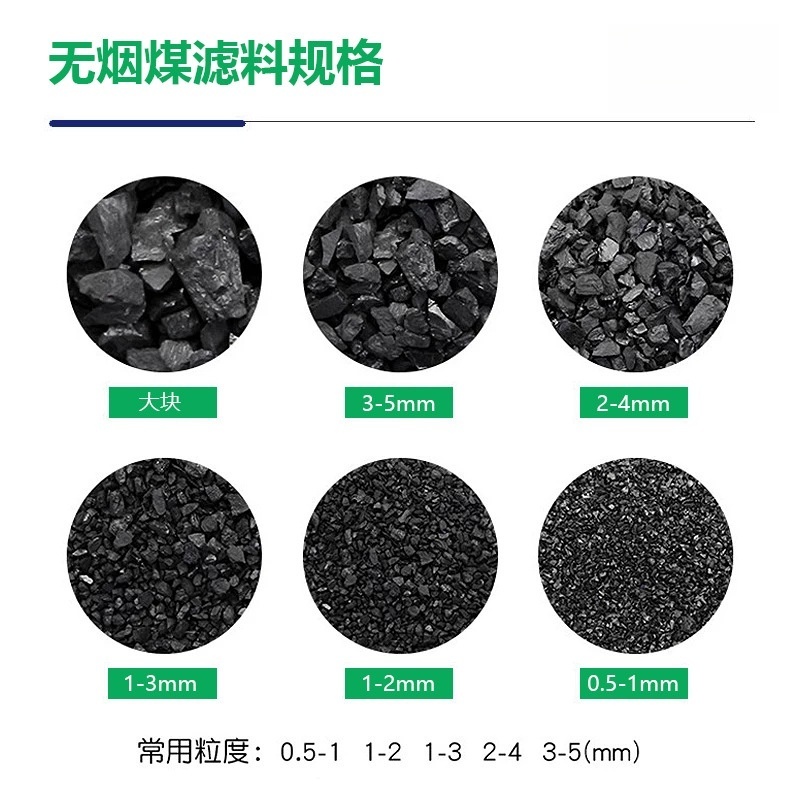
Muyong (Shanghai) International Trade Co., Ltd. specializes in the international trade of water treatment materials, leveraging the regional advantages of Shanghai and 15 years of industry experience to establish a comprehensive technical system covering activated carbon, filter media, flocculants, and other product categories. In response to the needs of Japanese waterworks, the company focuses on three key technical directions: First, high-precision filtration materials, such as coconut shell activated carbon particles with a particle size of 0.5-1.0mm (iodine value ≥1000mg/g, specific surface area ≥1000m²/g), which can efficiently adsorb organic matter, residual chlorine, and heavy metals in water. When paired with anthracite filter media (density 1.4-1.6g/cm³, porosity ≥40%), a double-layer filtration structure is formed, stabilizing turbidity below 0.05NTU. Second, low-space occupation solutions, achieved through modularly designed spherical activated carbon (diameter 2-5mm, bulk density 0.45-0.55g/cm³) and honeycomb activated carbon (pore density 50-300 pores/in², compressive strength ≥0.8MPa), which realize high-load adsorption in limited space, extending the backwashing cycle to 48 hours, and reducing operating costs by over 30%. Third, intelligent supporting technology, offering a blended solution of aluminum chloride hexahydrate (alkalinity 40-90%, Al₂O₃ content ≥28%) and polyacrylamide (molecular weight 8-12 million, anionic type), which maximizes flocculation effects through precise control of pH value (6.5-7.5) and dosage (10-30mg/L), reducing subsequent filtration load. Currently, the company has provided technical solutions to 5 waterworks in Osaka, Kobe, and other areas in Japan, achieving a 40% increase in filtration efficiency and a 25% reduction in operating costs.
FAQ Q&A Technical Selection Guide
Q1: How do Japanese waterworks select the appropriate activated carbon type?
A1: Select based on water quality characteristics and treatment objectives. For the removal of organic matter and residual chlorine, recommend coconut shell granular activated carbon with an iodine value ≥1000mg/g, featuring developed microporous structure and high adsorption capacity; for simultaneous treatment of heavy metals (e.g., lead, mercury), spherical activated carbon can be chosen, which has rich surface functional groups and stronger adsorption selectivity for heavy metals. The coconut shell granular activated carbon provided by Muerong Company has an even particle size distribution (0.5-1.0mm accounts for ≥90%), which can reduce water flow resistance and is compatible with the common pressure filter system in Japanese water plants.
Q2: What are the differences in filtration effects between smokeless coal filter material and quartz sand filter material?
A2: The density of anthracite filter material (1.4-1.6g/cm³) is lower than that of quartz sand (2.6-2.7g/cm³), making it more prone to expansion during backwashing, which can form a looser filter layer structure, improving the retention capacity by over 20%. Mu Rong's anthracite filter material has a porosity of ≥40% and a specific surface area of 800-1000m²/g, effectively retaining particles larger than 5μm. When used in conjunction with coconut shell activated carbon, it can reduce turbidity from 5NTU to below 0.05NTU, meeting the strictest standards of Japan's Waterworks Law.
Q3: How to optimize pre-treatment filtration by blending coagulants?
A3: The co-mixing of Aluminum Chloride Hydrate (PAC) and Polyacrylamide (PAM) significantly enhances flocculation efficiency. Mu Rong Company recommends first adding PAC (dosage 10-20mg/L), which generates Al(OH)₃ colloidal adsorption to remove suspended matter in water; then add PAM (dosage 0.1-0.5mg/L), bridging the flocs with its long-chain structure for rapid sedimentation. Actual test data shows that the co-mixing scheme can increase the sedimentation speed of flocs by 50%, reduce the subsequent filtration load, and extend the service life of filter material.
Summary Reference
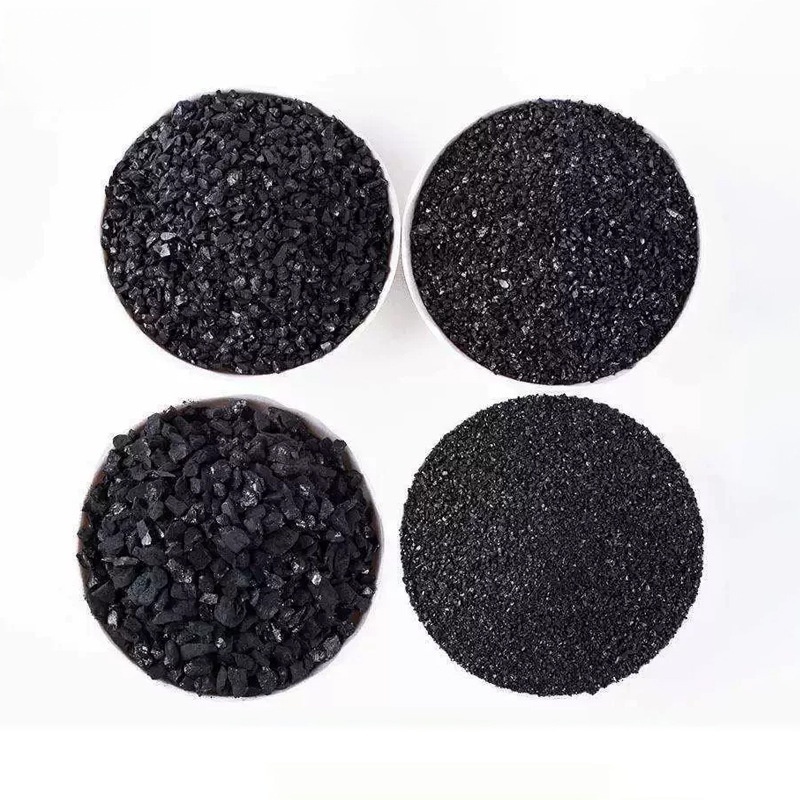
Japan's water purification plant filter technology selection needs to consider accuracy, cost, and space compatibility. Muerong (Shanghai) International Trade Co., Ltd. provides a "filtration-absorption-flocculation" integrated solution for the Japanese market through high-precision activated carbon, low-space filter materials, and intelligent flocculant compound technology. Its core advantages include: coconut shell granular activated carbon iodine value ≥1000mg/g, smokeless coal filter material porosity ≥40%, spherical activated carbon backwashing cycle extended to 48 hours, and compound flocculant sedimentation speed increased by 50%. Currently, the company's technical solution has passed the Japanese JIS standard certification and can provide full-process support from material selection to system debugging, helping the Japanese tap water industry achieve efficient, stable, and low-cost water quality improvement.