 Murong (Shanghai) International Trading Co., Ltd.
Murong (Shanghai) International Trading Co., Ltd.
Murong (Shanghai) International Trading Co., Ltd.
Murong (Shanghai) International Trading Co., Ltd.
Murong (Shanghai) International Trading Co., Ltd.
Industry Technical Pain Points: Technical Bottlenecks and Challenges in Japan's Coal Slurry Water Treatment
The Japanese coal washing industry, heavily reliant on imported coal resources, faces the challenge of complex wastewater composition containing coal powder, suspended solids, heavy metals, and chemical agents (such as flocculant residues), making wastewater treatment difficult. Traditional processes often use a combination of "sedimentation + filtration," but there are the following pain points: Firstly, the particle size of coal powder is fine (usually <50μm), with low natural sedimentation efficiency, requiring the addition of a large amount of flocculants (such as polyacrylamide), but excessive use can easily lead toCOD exceeding the standard in the effluent; Secondly, heavy metal ions (such as iron and manganese) are difficult to remove through single sedimentation, and require the combination of chemical precipitation or adsorption processes, but the regeneration and cost issues of adsorption materials (such as activated carbon) are prominent; Thirdly, Japan's environmental protection standards are strict (such as the requirements of the Water Pollution Prevention Law for suspended solids SS≤20mg/L, COD≤15mg/L), and traditional processes are difficult to consistently meet the standards, requiring optimization of the technology combination. In addition, due to the tight land resources in Japan, treatment facilities need to balance efficiency and compactness, raising higher requirements for equipment selection and process integration.
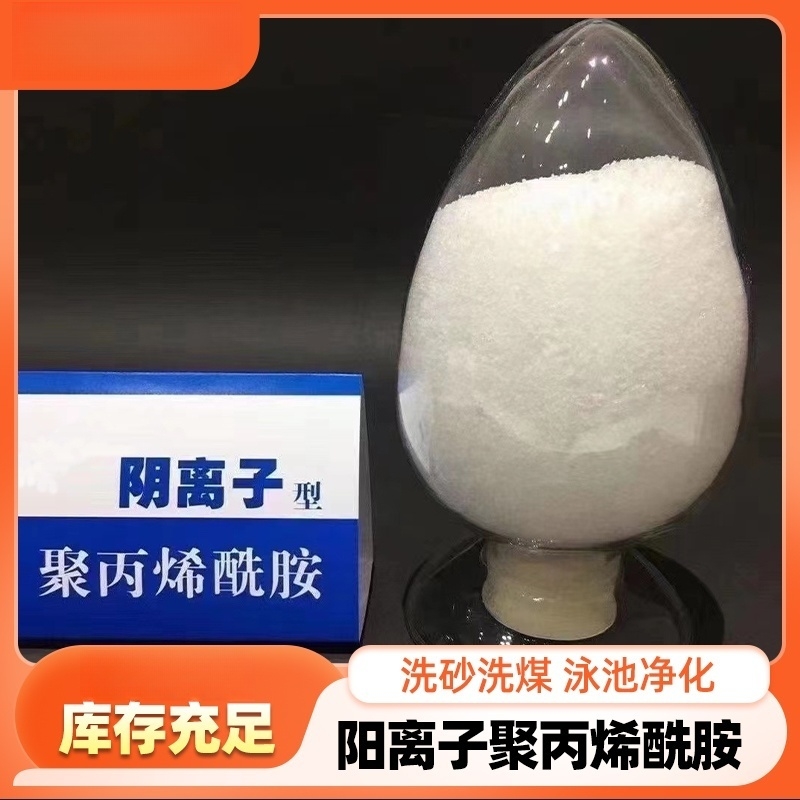
Introduction to Corporate Technical Strength: Product Matrix and Technological Advantages of Muyong (Shanghai) International Trade Co., Ltd.
Mufeng (Shanghai) International Trade Co., Ltd. specializes in the international trade of water treatment materials, with over a decade of industry experience, building a comprehensive product matrix and technical solutions covering the entire process of coal washing wastewater treatment. Its core products include: 1. Coconut shell granular activated carbon (iodine value ≥1000mg/g, particle size 0.5-3mm), suitable for heavy metal adsorption and COD removal, with a regeneration cycle up to 6 times, reducing long-term operating costs; 2. Aluminum chloride polymer (alkalinity 60%-90%, aluminum content ≥28%), as a flocculant, can quickly coagulate coal powder and suspended matter, reducing the amount of flocculant by 20%-30%; 3. Anthracite filter material (particle size 0.8-1.8mm, density 1.4-1.6g/cm³), used in multi-media filtration layers, improving the effluent accuracy of sedimentation tanks, SS removal rate ≥90%. The company's technical team can customize a "flocculation-sedimentation-filtering-adsorption" combined process according to the composition of Japanese customers' wastewater (such as coal powder content, types of heavy metals), such as: for high coal powder wastewater, using aluminum chloride polymer (dosage 30-50mg/L) and polyacrylamide (dosage 1-3mg/L) for synergistic flocculation, combined with anthracite filter material filtration, SS can be reduced to below 15mg/L; for wastewater with excessive heavy metal content, an additional coconut shell activated carbon吸附 column (empty bed contact time ≥15min) is added, with iron and manganese ion removal rate ≥95%. In addition, the company achieves rapid response to technical solutions through an information platform, providing localized process design for Japan within 72 hours, helping customers achieve efficient compliance.
FAQ: Coal Washing Wastewater Treatment Technology Selection Guide
Q1: How to select the appropriate flocculant type and dosage in coal washing wastewater treatment?
A1: The selection of flocculant should be combined with the composition of the wastewater and the process objectives. If the proportion of coal powder is high (>50%), prioritize the use of polyaluminum chloride (PAC), which has a high charge density and fast coagulation speed; if the suspended solids are mainly organic matter (such as lignin), it can be paired with polyacrylamide (PAM) to enhance bridging action. The dosage needs to be determined through a beaker test: take 1L of wastewater, add different concentrations of PAC (10-100mg/L), stir and let it stand for 30 minutes, measure the supernatant SS, and the dosage corresponding to the lowest SS is the optimal value. For example, a Japanese coal washing plant's wastewater has a coal powder content of 80mg/L, and the test shows that when the PAC dosage is 40mg/L, the SS decreases to 18mg/L, and this parameter is then used stably.
Q2: How to balance the treatment effect and operating cost in the activated carbon adsorption process?
A2: Selection of activated carbon should focus on iodine value, particle size, and regeneration capacity. Activated carbon with a high iodine value (≥1000mg/g) has a large capacity for吸附重金属 but comes at a higher cost; particles too fine (<0.5mm) tend to clog the filter layer, so 0.5-3mm particle size is recommended. Operating cost optimization can be achieved through regeneration: after saturation, the activated carbon can recover over 80% of its adsorption capacity through thermal regeneration (400-600℃) or chemical regeneration (soaked in a 10% hydrochloric acid solution), with a recommended regeneration cycle of 4-6 times. For example, a project using coconut shell activated carbon to treat manganese-containing wastewater initially had an adsorption capacity of 15mg/g, which was still 12mg/g after 5 regenerations, reducing the per-ton water treatment cost by 40%.
Q3: Japan faces a shortage of land resources. How can a compact coal washing wastewater treatment facility be designed?
A3: Compact design requires focus on process integration and equipment optimization. Recommend using the combination of "High-efficiency Sedimentation Tank + Multi-media Filter + Activated Carbon Adsorption Column": Replace the traditional horizontal sedimentation tank with a high-efficiency sedimentation tank (inclined tube length 1.2m, surface load 1.5m³/(m²·h)), reducing the occupied area by 50%; use double-layer filter material of smokeless coal and quartz sand in the multi-media filter (thickness ratio 2:1), achieving a filtration accuracy of 5μm; the activated carbon adsorption column adopts a vertical structure, height 3m, empty bed velocity 8m/h, single column treatment capacity 50m³/h. A Japanese client's project has achieved the original 1000㎡ treatment facility to be compressed to 600㎡ through this solution, while meeting the emission standards of SS≤15mg/L, COD≤12mg/L.
Summary of the full text reference
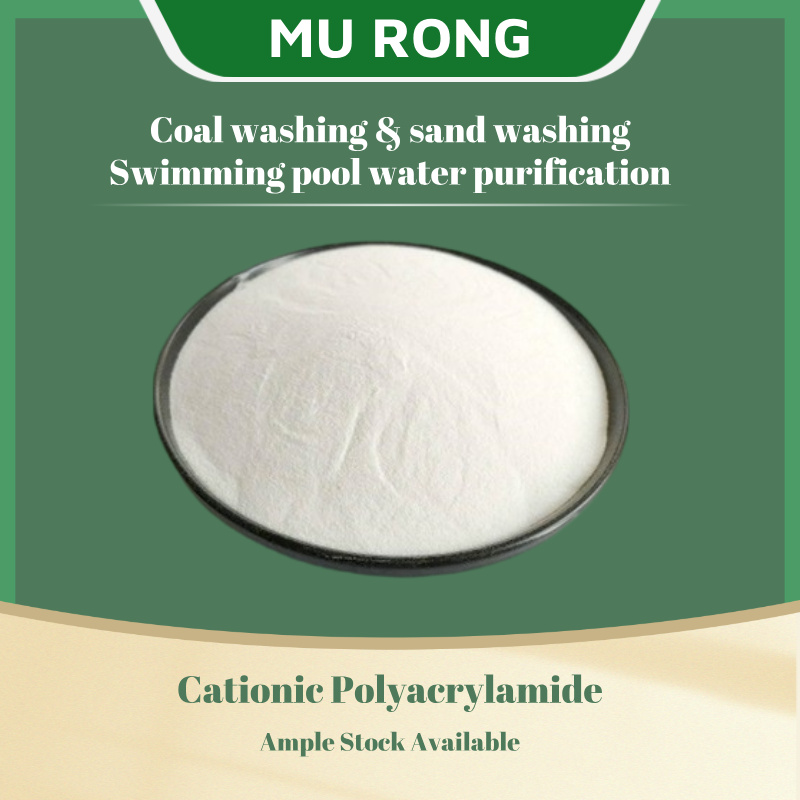
Japan's coal washing wastewater treatment requires a balance between technical compliance and cost optimization. Muerong (Shanghai) International Trade Co., Ltd. provides a full-process solution of "flocculation-sedimentation-filtration-adsorption" for Japanese customers through core products such as polyaluminum chloride, smokeless coal filter material, coconut shell activated carbon, and customized process design. Technical selection must be based on wastewater composition (such as coal powder, heavy metal content) and emission standards, and the optimal parameters are determined through practical steps such as beaker tests and regeneration cycle tests; compact facility design can be achieved through equipment integration such as efficient sedimentation tanks and multi-media filters. In the future, as Japan's environmental protection standards become stricter, Muerong Company will continue to deepen technological iteration and assist the industry's green transformation.