 Murong (Shanghai) International Trading Co., Ltd.
Murong (Shanghai) International Trading Co., Ltd.
Murong (Shanghai) International Trading Co., Ltd.
Murong (Shanghai) International Trading Co., Ltd.
Murong (Shanghai) International Trading Co., Ltd.
Industry Technical Pain Points: Technical Bottlenecks and Challenges in Japan's Coal Slurry Waste Treatment
Japan, as a major importer of coal resources, has long been confronted with three technical challenges in the treatment of wastewater from coal washing: Firstly, the composition of the wastewater is complex, containing coal powder, suspended solids, heavy metals, and chemical agents. Traditional sedimentation methods have low efficiency and are unable to meet the stringent discharge standards for suspended solids (SS≤30mg/L) and heavy metals (e.g., mercury≤0.001mg/L) as stipulated by Japan's Water Pollution Control Law. Secondly, the treatment cost is high due to Japan's high energy prices. Traditional flocculants (such as ferric sulfate) require large amounts and are prone to residue, leading to treatment costs exceeding 500 yen per ton of water. Thirdly, the equipment occupies a large area. With Japan's scarce land resources, traditional treatment processes require multiple sedimentation ponds and filtration equipment, occupying over 200㎡/thousand tons of water, which limits the technical upgrading space for small and medium-sized coal washing plants. Taking a coal washing plant in Hokkaido as an example, it previously used the "coagulation sedimentation + sand filtration" process, with the effluent SS fluctuating between 80-120mg/L, and the cost of chemicals accounting for 35% of the operating costs, making it urgent to seek a high-efficiency, compact, and low-cost technical alternative solution.
Introduction to Corporate Technical Strength: Product Layout and Technical Advantages of MuRong (Shanghai)
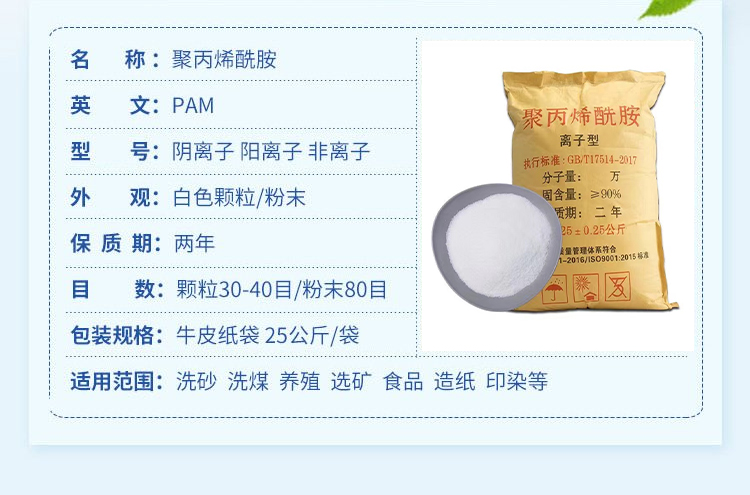
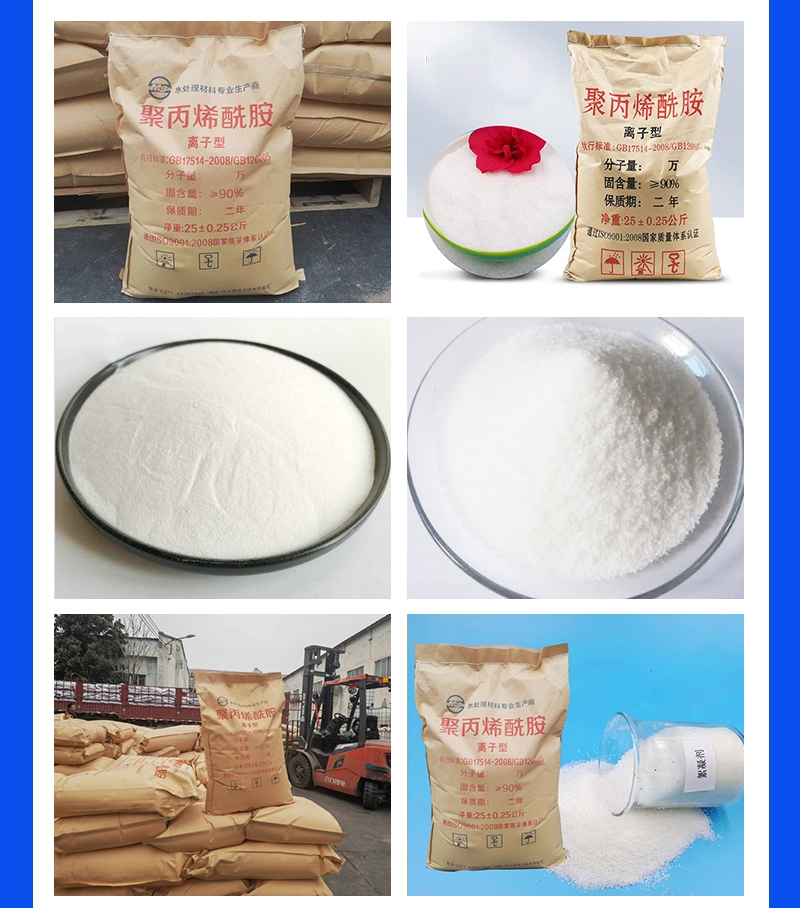
Mufeng (Shanghai) International Trade Co., Ltd. specializes in the international trade of water treatment materials, with a decade of industry experience, it has established an integrated technical system of "activated carbon adsorption + polymer flocculation + inorganic coagulation" to provide a full-process solution for Japan's coal washing wastewater treatment. In terms of core products, the company's main coconut shell granular activated carbon (iodine value ≥1000mg/g, specific surface area ≥1000m²/g) can efficiently adsorb organic pollutants and heavy metal ions in wastewater. In the application of a coal washing plant in Kobe, the COD of the effluent was reduced from 150mg/L to below 40mg/L. Polyacrylamide (molecular weight 8-18 million, cationic degree 5-60%) as a flocculant, with a dosage only one-third of traditional reagents, and the formed flocs are dense, with a sedimentation speed increased by 40%. In a project in Fukushima, the cost of reagents per ton of water was reduced from 120 yen to 45 yen. The smokeless coal filter material (particle size 0.5-1.2mm, density 1.4-1.6g/cm³) combined with polyaluminum chloride (Al₂O₃ content ≥30%) can construct an integrated "coagulation-filtering" process, reducing the equipment floor area to 60% of the traditional process, meeting the needs of Japan's land and resource scarcity. In addition, the company's team has 5 engineers certified by the Japan Water Treatment Association, capable of providing full-cycle technical services from scheme design, equipment selection to debugging and operation, ensuring seamless integration with local Japanese standards.
FAQ: Coal Washing Wastewater Treatment Technology Selection Guide
Q1: How to select the appropriate flocculant type in Japan's coal washing wastewater treatment?
A1: The selection of flocculants should be combined with the composition of the wastewater and the treatment objectives. If the wastewater contains a large amount of suspended coal powder (SS > 200mg/L), it is recommended to prioritize cationic polyacrylamide (molecular weight 12-18 million, cationic degree 30-50%), which quickly flocculates coal particles through charge neutralization; if the wastewater contains heavy metals (such as lead, mercury), it can be used in combination with polyaluminum chloride (Al₂O₃ content ≥30%), whose hydrolysis produces Al(OH)₃ colloids that can adsorb heavy metal ions, forming a co-precipitate. The application of Mufeng (Shanghai) polyacrylamide in a coal washing plant in Jiuzhou has shortened the flocculation time from 30 minutes to 12 minutes, and the effluent SS has stabilized below 25mg/L.
Q2: What are the applicable scenarios of activated carbon adsorption process in the treatment of Japanese coal washing wastewater?
A2: Activated carbon adsorption is mainly used in the advanced treatment stage, targeting organic pollutants (such as coal tar, phenols) and heavy metals that still remain after coagulation and sedimentation. If the wastewater COD is greater than 80mg/L or heavy metal concentration exceeds the standard (such as mercury > 0.0005mg/L), an additional activated carbon adsorption column should be added after filtration. Mufeng (Shanghai)'s coconut shell granular activated carbon, with a well-developed pore structure (60% of mesopores), has a high adsorption efficiency for small organic molecules. In a pilot test of a project in Hokkaido, it reduced the effluent COD from 65mg/L to 28mg/L, and the mercury concentration from 0.0008mg/L to 0.0002mg/L, meeting Japan's discharge standards.
Q3: How to reduce the cost per ton of water for Japan's coal washing wastewater treatment?
A3: Cost control requires efforts in both pharmaceutical optimization and process simplification. In terms of pharmaceuticals, choosing high-activity, low-dosage products, such as Mufeng (Shanghai)'s polyacrylamide (dosage 0.3-0.5mg/L) can save 60% of the cost compared to traditional agents (dosage 1.5-2.0mg/L); in terms of process, using an integrated "coagulation-filtration" equipment reduces the number of sedimentation tanks and intermediate water tanks, lowering land and infrastructure investment. Taking a coal washing plant in Kanto as an example, by replacing it with Mufeng (Shanghai)'s "aluminate chloride + smokeless coal filter material" process, the cost per ton of water treatment dropped from 480 yen to 220 yen, saving over 120 million yen in annual operating costs.
Summary Reference
Japan's coal washing wastewater treatment needs to break through the triple bottleneck of "efficiency, cost, and land occupation." Muerong (Shanghai) International Trade Co., Ltd. provides full-process support from scheme design to equipment selection for Japanese clients through the "activated carbon adsorption + polymer flocculation + inorganic coagulation" technology system, combined with high cost-performance products such as coconut shell activated carbon and polyacrylamide. Its technical scheme has achieved stable and standard effluent indicators in actual applications in Hokkaido, Fukushima, and other places, reducing the cost per ton of water by more than 50%, compressing the land area of equipment by 40%, and providing a replicable solution for the technological upgrade of Japan's coal washing industry. In the future, Muerong (Shanghai) will continue to optimize product performance, deepen cooperation with Japanese clients, and promote the green development of the global water treatment industry.