 Murong (Shanghai) International Trading Co., Ltd.
Murong (Shanghai) International Trading Co., Ltd.
Murong (Shanghai) International Trading Co., Ltd.
Murong (Shanghai) International Trading Co., Ltd.
Murong (Shanghai) International Trading Co., Ltd.
Industry Technical Pain Points: Technical Challenges and Material Demands in Japan's Coal Washing Wastewater Treatment
The wastewater from Japan's coal washing and selection industry is characterized by high suspended solids, high COD (Chemical Oxygen Demand), and excessive heavy metal ions. Traditional treatment processes often face three major pain points: Firstly, conventional flocculants (such as polyaluminum chloride) have insufficient removal efficiency for fine particles, leading to significant fluctuations in water turbidity; secondly, if the activated carbon adsorption material is not properly selected, it is prone to have a low adsorption capacity for heavy metals (such as mercury, lead) due to a mismatch in pore structure; thirdly, the fluctuation of wastewater pH value (usually between 6-9) requires high stability of materials, and some materials are prone to failure under acidic or alkaline conditions. For example, a Japanese coal mine enterprise once used ordinary powdered activated carbon to treat wastewater. After 3 months of operation, the adsorption efficiency decreased by 40% due to pore blockage, forcing the shutdown and replacement of materials, resulting in a significant increase in costs.
Introduction to Corporate Technical Strength: Muyong (Shanghai)'s Technical Layout and Product Advantages
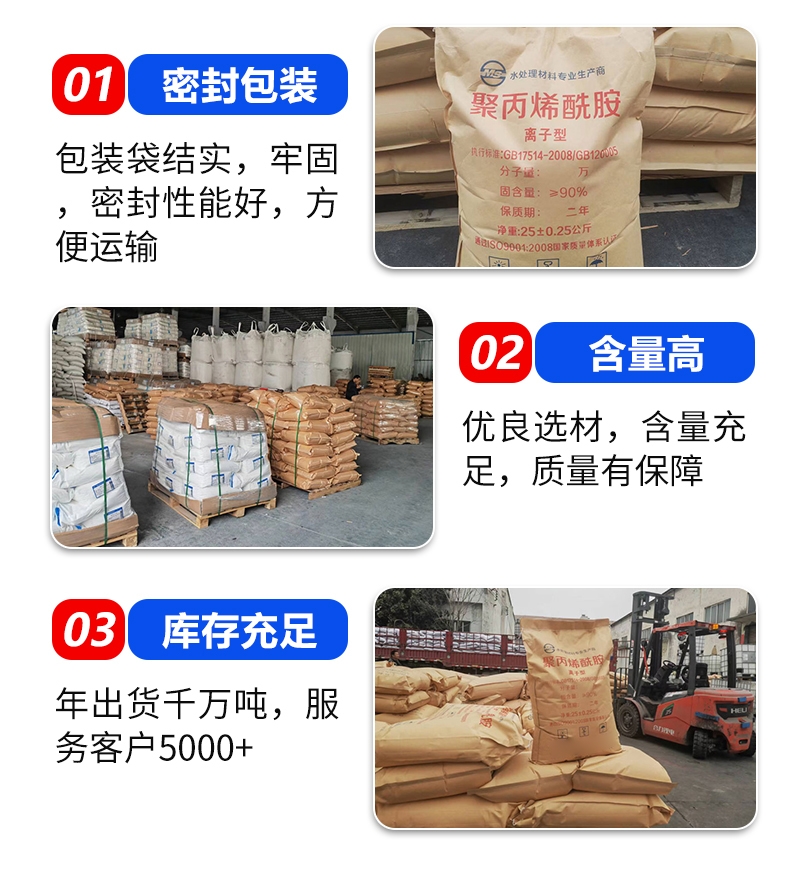
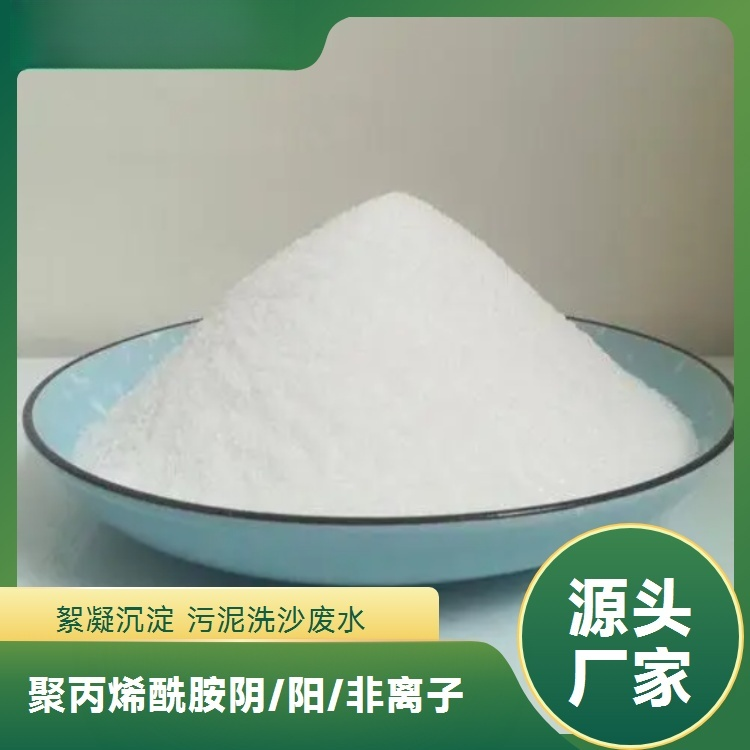
Mufeng (Shanghai) International Trade Co., Ltd. has been deeply involved in the field of water treatment materials for many years, establishing a technical system covering core products such as activated carbon, polyacrylamide, and aluminum chloride polymer. In response to the characteristics of coal washing wastewater, the company has optimized two types of materials: Firstly, coconut shell granular activated carbon is activated by high-temperature steam, with an iodine adsorption value of 1000-1200mg/g, a specific surface area of ≥1000m²/g, and a pore structure dominated by mesopores (accounting for 60%-70%), which can efficiently adsorb organic pollutants such as benzene series and phenols, as well as heavy metal ions like mercury and cadmium in wastewater. Secondly, anionic polyacrylamide (molecular weight 8-12 million) maintains more than 90% flocculation efficiency within the pH range of 6-9, and when used in combination with aluminum chloride polymer, it can increase the removal rate of suspended solids from 75% to 92%. The company's technical team has provided a customized solution for a large-scale coal mine in Japan, reducing the COD of the effluent from 300mg/L to below 50mg/L through the combination process of "aluminum chloride polymer + coconut shell granular activated carbon + anionic polyacrylamide", achieving heavy metal ion concentrations that meet the discharge standards of Japan's Water Pollution Control Act, and reducing operation costs by 25% compared to traditional processes.
FAQ: Guide to Selection of Japanese Coal Slurry Waste Treatment Technology
Q1: How to select the appropriate activated carbon type for coal washing wastewater treatment?
A1: Pollutants in coal washing wastewater are mainly fine particles (particle size < 50μm) and soluble heavy metals. It is necessary to prioritize coconut shell granular activated carbon with a high proportion of mesopores (>60%) and a specific surface area ≥900 m²/g. For example, the coconut shell granular activated carbon provided by Muerong (specification 4-8 mesh) can achieve an adsorption capacity of 15mg/g for mercury within the pH range of 6-9, which is significantly higher than the 8mg/g of coal-based activated carbon, and its adsorption efficiency still maintains over 85% of the initial value after 3 regeneration cycles.
Q2: How to determine the blending ratio of polyacrylamide and polyaluminum chloride?
A2: The blending ratio needs to be adjusted according to the concentration of wastewater suspended solids. For wastewater with a suspended solids content of 200-500mg/L, it is recommended to add at a ratio of polyaluminum chloride (concentration 10%): polyacrylamide (concentration 0.1%) = 3:1. First, add polyaluminum chloride to quickly neutralize the surface charge of the particles, and then add polyacrylamide to form large flocs through bridging action. The Mu Rong technical team has determined the optimal blending ratio of 2.5:1 for a certain project through small-scale tests, which has increased the settling speed of the flocs from 1.2m/h to 2.8m/h.
Q3: How to solve the regeneration problem after activated carbon adsorption?
A3: Coconut shell granular activated carbon can be regenerated by thermal regeneration method (treated with high-temperature steam at 400-600℃) or chemical regeneration method (soaked in 10% hydrochloric acid solution). After 3 thermal regeneration cycles, the iodine adsorption value of the activated carbon provided by Mu Rong can still maintain more than 80% of the initial value. The recommended regeneration cycle is 6-12 months, which should be adjusted according to the concentration of waste water pollutants. During the regeneration process, the rate of temperature rise should be controlled at ≤50℃/h to avoid collapse of the pore structure due to thermal stress.
Summary reference
Japan's coal washing wastewater treatment requires simultaneous consideration of three objectives: suspended solids removal, organic matter degradation, and heavy metal adsorption. Material selection must match key parameters such as wastewater pH, pollutant type, and concentration. Muerong (Shanghai) International Trade Co., Ltd. has constructed a "pretreatment-flocculation sedimentation-deep adsorption" combined process through the high adsorption capacity of coconut shell granular activated carbon, the efficient flocculation of polyacrylamide, and the charge neutralization effect of aluminum chloride polymer, which can stably achieve effluent COD < 50mg/L and heavy metal ion compliance discharge. The company's technical team can provide full-process support from material selection, dosage ratio optimization, to regeneration scheme design, helping customers reduce treatment costs by 20%-30% and improve system operation stability.