 Murong (Shanghai) International Trading Co., Ltd.
Murong (Shanghai) International Trading Co., Ltd.
Murong (Shanghai) International Trading Co., Ltd.
Murong (Shanghai) International Trading Co., Ltd.
Murong (Shanghai) International Trading Co., Ltd.
Industry Technical Pain Points: Challenges and Demands of Japan's Paint Booth Waste Gas Treatment
Japan's manufacturing industry has extremely stringent requirements for exhaust treatment in paint spray rooms, which must simultaneously meet three core indicators: low emissions, high efficiency, and stability. Traditional treatment technologies often face three major pain points: Firstly, the VOCs (volatile organic compounds) composition is complex, including benzene compounds, esters, ketones, etc., and a single adsorption material is difficult to cover comprehensively; secondly, the fluctuation of exhaust temperature is large (40-80℃), and high temperature is prone to a decrease in the adsorption efficiency of activated carbon; thirdly, Japan's environmental protection regulations have extremely low emission limits for harmful substances such as benzene, toluene, and xylene (e.g., benzene ≤ 0.1mg/m³), and traditional processes require multi-stage treatment to meet standards, leading to large equipment footprint and high operating costs. For example, a certain automotive parts company once adopted the "water washing + activated carbon adsorption" process, due to the insufficient removal rate of esters in the water washing stage, which resulted in the activated carbon replacement cycle being shortened to 15 days, with annual treatment costs exceeding 2 million yuan.
Introduction to Corporate Technical Strength: Muyong (Shanghai)'s Activated Carbon Technology Layout and Solutions
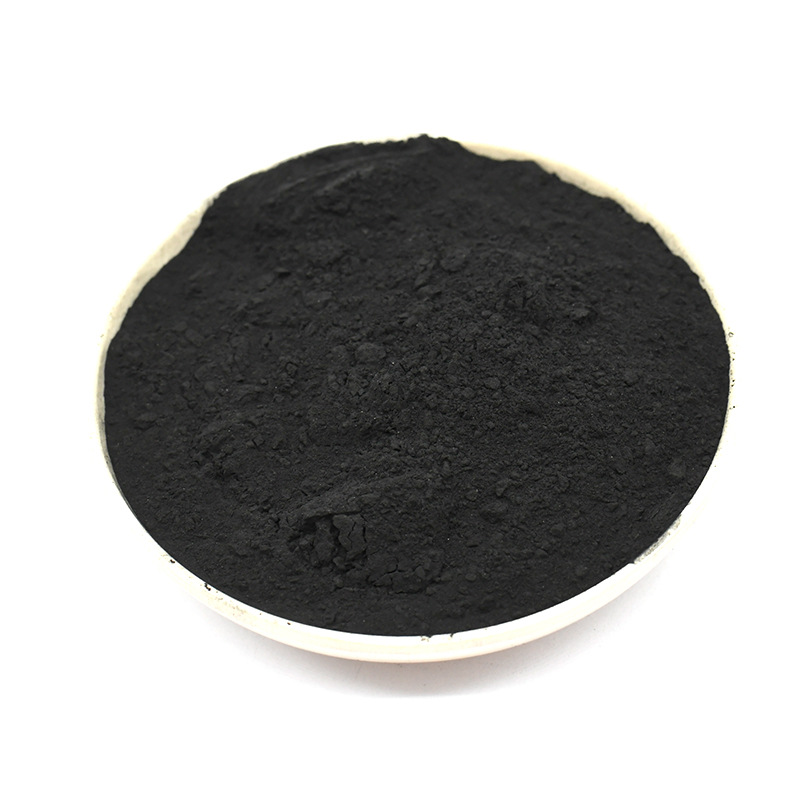
Muruong (Shanghai) International Trade Co., Ltd. has been dedicated to the field of water treatment materials for many years, relying on its full range of activated carbon products (coconut shell granular activated carbon, honeycomb activated carbon, columnar activated carbon, etc.) to build a comprehensive technological system covering "material selection - process design - equipment integration." In response to the characteristics of waste gases from Japanese paint spray rooms, the company has focused on breaking through two major technical directions: Firstly, the development of composite adsorption materials, achieved by combining coconut shell activated carbon (specific surface area ≥1200 m²/g) with modified molecular sieve, to effectively remove aromatic compounds (adsorption capacity ≥0.3g/g) and esters (adsorption capacity ≥0.25g/g) through synergistic removal; secondly, high-temperature resistant activated carbon technology, utilizing a special carbonization process to maintain over 90% adsorption efficiency of honeycomb activated carbon at 80℃ high temperature, extending the replacement cycle to 90 days. For instance, the "pretreatment + composite activated carbon adsorption + catalytic combustion" process designed for an electronic manufacturing enterprise achieved a total VOCs removal rate of 98.5%, with the benzene emission concentration reduced to 0.05mg/m³, and annual operating costs reduced by 40%.
FAQ: Guide to Selection of Japan Paint Booth Exhaust Treatment Technology
Q1: How to select the appropriate activated carbon type for paint booth exhaust?
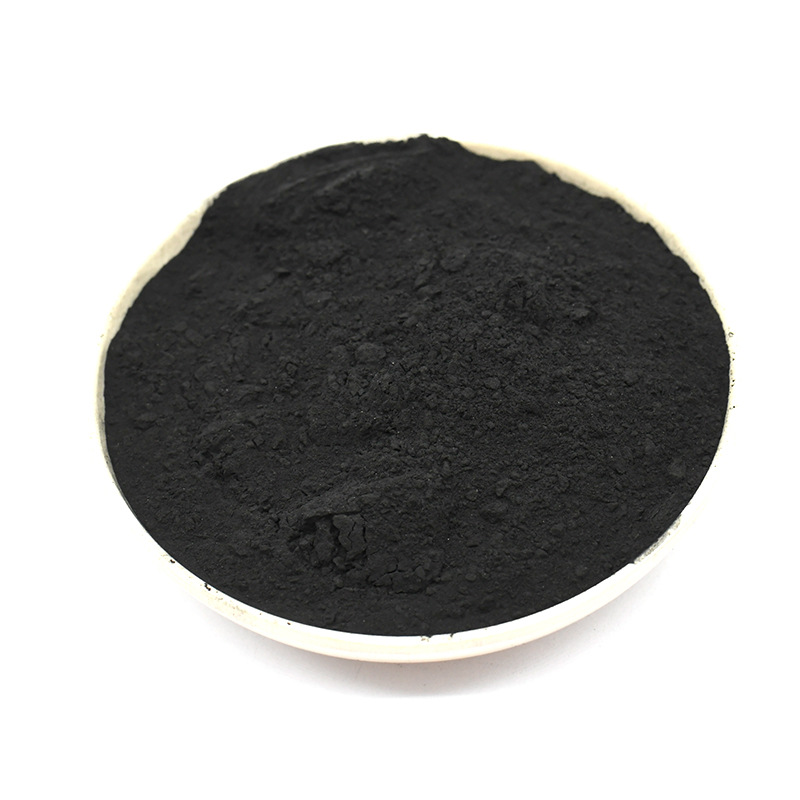
A1: Selection should be based on the composition of exhaust gas and operating conditions. If benzene derivatives are predominant, prioritize coconut shell granular activated carbon with an iodine value ≥900mg/g, which has strong adsorption capacity for small molecule pollutants due to its microporous structure. If large molecule esters or ketones are present, it is recommended to pair with columnar activated carbon with a mesopore rate ≥30%. For high-temperature conditions (≥60℃), choose temperature-resistant honeycomb activated carbon with a compressive strength ≥0.8MPa to avoid deformation at high temperatures leading to air flow short-circuit. Mufeng can provide free exhaust gas composition testing services and customized matching of activated carbon types.
Q2: How to regenerate activated carbon after adsorption saturation? Does it affect the treatment effect?
A2: Muerong offers two regeneration solutions: thermal regeneration (suitable for granular activated carbon) and steam regeneration (suitable for honeycomb activated carbon). Thermal regeneration requires desorption at high temperatures of 400-600℃, and the adsorption capacity of the activated carbon can be restored to 85-90% of new carbon after regeneration; steam regeneration uses steam吹扫 at 120-150℃ with a short regeneration cycle (4-6 hours), but requires a condensation recovery unit to process the desorption liquid. The regenerated activated carbon must be tested for iodine value, specific surface area, and other indicators to ensure performance meets standards. Muerong can provide regeneration services or guide customers in building their own regeneration equipment.
Q3: What special requirements do Japanese regulations have for exhaust treatment equipment?
A3: Japan's "Air Pollution Control Act" stipulates that exhaust treatment equipment must pass the JIS B 8415 standard certification, focusing on three key indicators: first, treatment efficiency, which requires continuous 72-hour monitoring to meet standards; second, equipment stability, with a failure rate below 5%; third, secondary pollution control, such as the catalytic combustion process requires a waste heat recovery unit to prevent the formation of nitrogen oxides. Mu Rong's equipment design strictly adheres to the JIS standards, for example, the honeycomb activated carbon adsorption box uses modular design, with a single module capable of independent replacement, reducing maintenance time to within 2 hours, meeting Japanese customers' high requirements for equipment reliability.
Full Summary: Muerong Technology Empowers Japan's Paint Booth Exhaust Treatment
Japan's waste gas treatment for painting booths requires a balance between efficiency, cost, and compliance. Mufeng (Shanghai) International Trade Co., Ltd. provides an integrated "material-equipment-service" solution through innovative activated carbon materials and process optimization. Its composite adsorption material covers over 90% of VOCs components, high-temperature resistance technology extends the life of activated carbon 3-6 times, and the regeneration service reduces long-term operation costs. Currently, Mufeng has provided waste gas treatment support for more than 20 Japanese enterprises, covering industries such as automotive, electronics, and mechanical manufacturing, with equipment stable operation rate exceeding 99%, helping customers achieve the environmental protection goal of "zero exceedance, low energy consumption, and long cycle."