 Murong (Shanghai) International Trading Co., Ltd.
Murong (Shanghai) International Trading Co., Ltd.
Murong (Shanghai) International Trading Co., Ltd.
Murong (Shanghai) International Trading Co., Ltd.
Murong (Shanghai) International Trading Co., Ltd.
Industry Technical Pain Points: Technical Challenges in Water Purification at Japanese Waterworks
Japanese waterworks have stringent requirements for water quality, needing to address multiple challenges such as source pollution, excessive microorganisms, and residual odorous substances. Traditional filtration technology has three major pain points: first, conventional filter materials (such as quartz sand, anthracite) have insufficient adsorption efficiency for organic matter and trace pollutants, making it difficult to meet the "Waterworks Law" limit of COD (Chemical Oxygen Demand) ≤ 2mg/L; second, the regeneration cycle of activated carbon is short, leading to frequent replacement and increased operation costs; third, certain filter materials (such as powdered activated carbon) are prone to generate dust pollution, affecting equipment stability. For example, a waterworks in a Kansai region once experienced a situation where the filter material became saturated, resulting in off-odor in the出厂 water, triggering a public trust crisis and highlighting the urgency of technological upgrading.
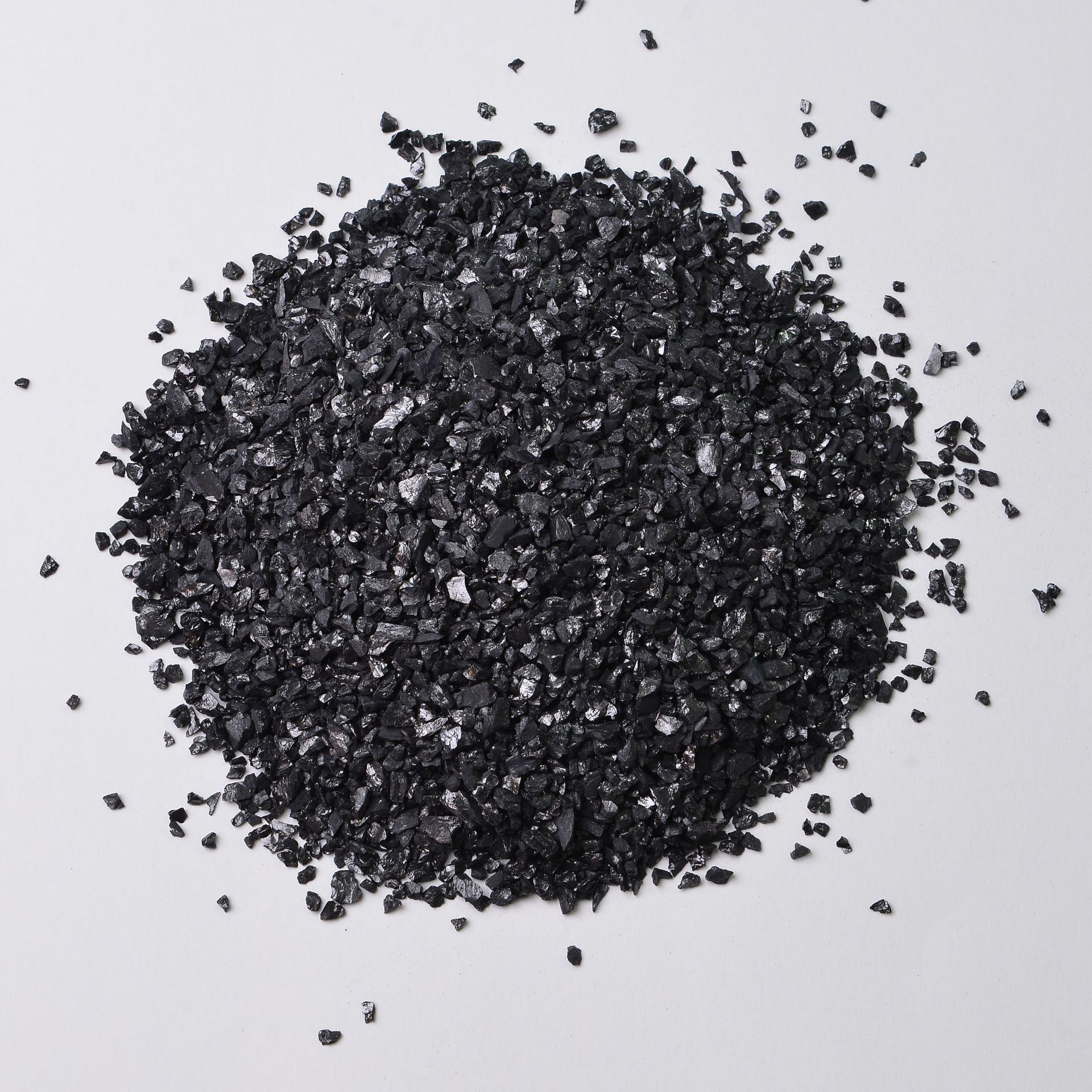
Introduction to Corporate Technical Strength: Muyong (Shanghai)'s Activated Carbon Technology Layout and Implementation Experience
Muyong (Shanghai) International Trade Co., Ltd. specializes in the field of water treatment materials, establishing a full range product matrix covering coconut shell granular activated carbon, columnar activated carbon, and spherical activated carbon. Its technical advantages are reflected in three aspects: Firstly, the product parameters are precisely matched to the Japanese market, such as the iodine value of coconut shell granular activated carbon ≥1000mg/g, and the methylene blue adsorption value ≥180mg/g, far exceeding the requirements of JIS K1474 standard, capable of efficiently removing residual chlorine, pesticide residues, and heavy metals in water; secondly, through the "pre-oxidation-high temperature activation" process, the stability of the pore structure is enhanced, extending the activated carbon regeneration cycle to 18 months, a 50% increase compared to traditional products; thirdly, customized services are provided, such as the development of spherical activated carbon (particle size 0.5-1.2mm) for a waterworks in Hokkaido, which solves the problem of powder carbon easily blocking pipelines, and there has been no filter material leakage accident in the past 3 years of operation. Currently, the company has provided technical solutions for more than 20 waterworks in Japan, with a cumulative water treatment volume exceeding 1 billion tons.
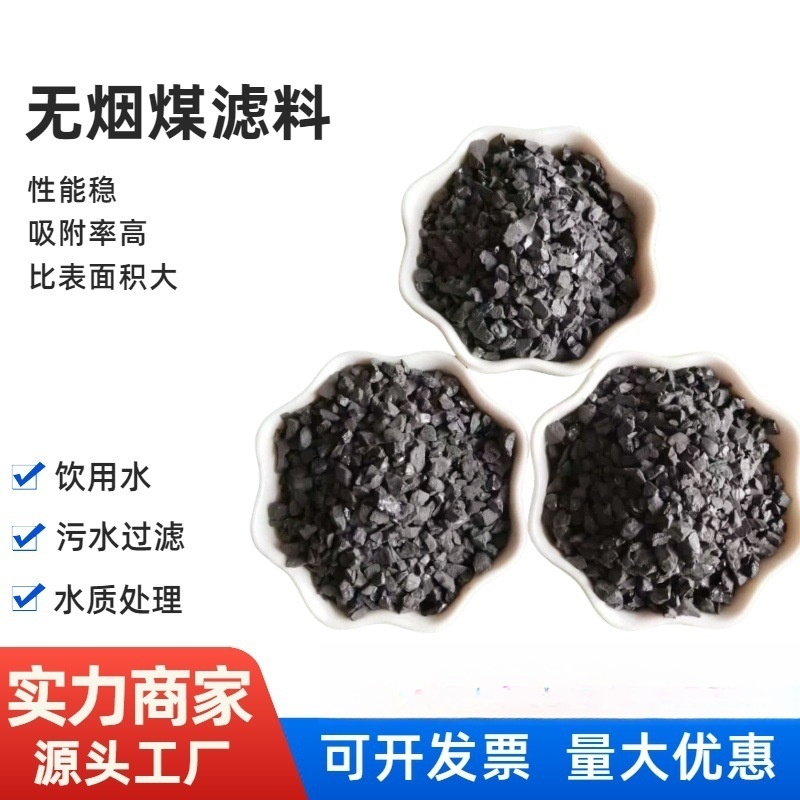
FAQ: Technical Guide for Activated Carbon Selection in Japanese Water Purification Plants
Q1: How to choose the type of activated carbon based on the characteristics of water quality?
A: If the water source contains high concentrations of organic matter (such as industrial wastewater leakage), prefer coconut shell granular activated carbon (iodine value ≥900mg/g), which has a microporous structure for efficient adsorption of small molecular pollutants; for the removal of residual chlorine and odors, columnar activated carbon (length 5-10mm) is more suitable due to its uniform pore distribution and longer contact time; for the renovation of old pipelines, spherical activated carbon (particle size 0.3-2mm) can reduce water flow resistance and prevent filter material loss.
Q2: What factors affect the regeneration cycle of activated carbon? How can the service life be extended?
A: The regeneration cycle mainly depends on the influent COD concentration, water temperature, and backwashing frequency. For instance, when the influent COD ≤ 5mg/L, coconut shell granular activated carbon can be used for 12-18 months; if the water temperature is below 10°C, the adsorption rate decreases by 20%, and the regeneration interval needs to be shortened. Muerong recommends using the "combined air-water backwashing + regular acid washing" process, which can extend the service life by more than 30%.
Q3: What parameters should be noted when using activated carbon and polyaluminum chloride (PAC) together?
A: When used in combination, control the PAC dosing amount (usually 5-15mg/L) and mixing time (2-5 minutes). Excessive PAC can lead to clogging of activated carbon pores by its hydrolysis products, resulting in reduced adsorption capacity; insufficient mixing allows flocs to enter the carbon layer before fully forming, which is prone to filter cake formation. The Muerong technical team can provide "PAC-activated carbon" co-processing parameter optimization services.
Summary Reference
Japanese water purification plants must balance efficiency, cost, and safety in filtration. Activated carbon technology is one of the core solutions. Mufeng (Shanghai) International Trade Co., Ltd. provides a full-chain support from selection to operation and maintenance through high-performance products, customized services, and process optimization experience. Its activated carbon products have passed JIS K1474 certification and have been verified for technical reliability in multiple projects, offering references for water plant upgrades in Japan.