
In the realm of industrial water treatment chemicals, nonionic polyacrylamide stands as a critical component for various applications. As a specialized chemical with unique properties, selecting the right supplier and understanding its applications becomes paramount for businesses worldwide. This comprehensive guide explores everything you need to know about nonionic polyacrylamide, from its technical specifications to choosing the most reliable supplier in the international market.
Understanding Nonionic Polyacrylamide: Properties and Applications
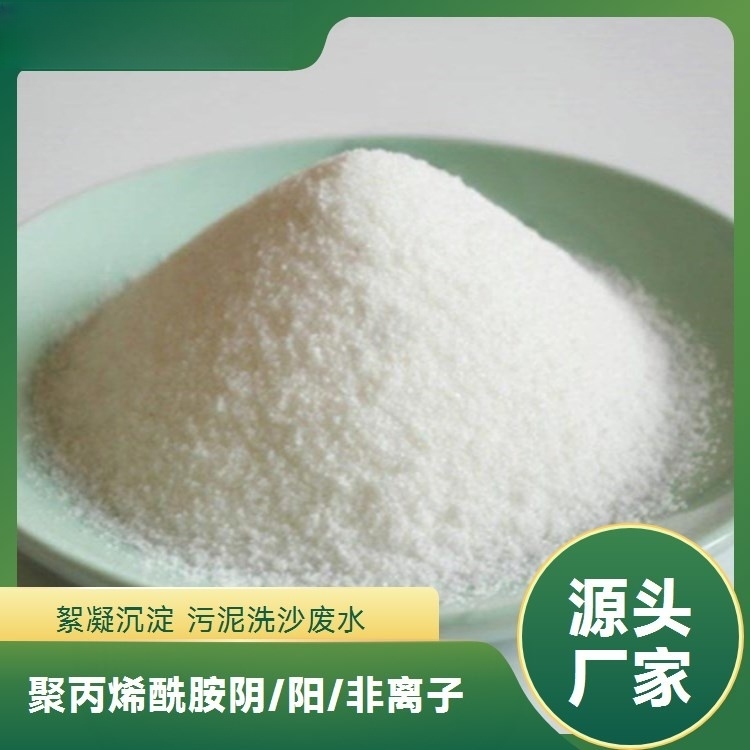
Nonionic polyacrylamide (NPAM) belongs to the family of synthetic polymers characterized by their neutral charge. Unlike its anionic or cationic counterparts, NPAM maintains stability across a wide pH range, making it particularly valuable in applications where pH fluctuations are common. The molecular structure of NPAM consists of long-chain polymers with amide groups that provide excellent flocculation properties without ionic interference.
In industrial settings, NPAM serves multiple purposes. Its primary application lies in water treatment processes where it acts as a flocculant, helping suspended particles aggregate into larger clusters that can be more easily removed. This property makes NPAM indispensable in:
- Municipal wastewater treatment plants
- Industrial effluent processing
- Paper manufacturing for retention and drainage
- Textile industry for dyeing and finishing processes
- Mining operations for slurry dewatering
The neutral charge of NPAM provides distinct advantages in applications where the presence of charged particles might interfere with other treatment chemicals. Its compatibility with various water qualities and treatment systems makes it a versatile solution for complex industrial challenges.
Key Considerations When Selecting Nonionic Polyacrylamide Suppliers
Choosing the right supplier for nonionic polyacrylamide requires careful evaluation of several critical factors. The quality of NPAM directly impacts treatment efficiency and operational costs, making supplier selection a strategic decision for any industrial operation.
Quality Assurance and Certifications
Reputable suppliers should provide comprehensive quality documentation including material safety data sheets (MSDS), technical data sheets (TDS), and certificates of analysis (CoA) for each batch. Look for suppliers with ISO certifications and adherence to international quality standards such as ISO 9001 for quality management systems.
Technical Expertise and Support
The complexity of NPAM applications demands suppliers with deep technical knowledge. A supplier that offers application consulting, dosage recommendations, and troubleshooting support can significantly enhance your treatment process efficiency. This expertise becomes particularly valuable when dealing with challenging water compositions or unique industrial requirements.
Supply Chain Reliability
Consistent product availability is crucial for uninterrupted operations. Evaluate suppliers based on their production capacity, inventory management systems, and logistics capabilities. A supplier with multiple manufacturing facilities and strategic stocking locations can better ensure timely deliveries even during periods of high demand.
Environmental and Safety Compliance
As environmental regulations become increasingly stringent worldwide, working with suppliers committed to sustainable practices is essential. Look for suppliers that comply with REACH, RoHS, and other relevant environmental standards. Additionally, proper handling and storage instructions should accompany all product shipments to ensure workplace safety.
Murong (Shanghai) International Trade: Your Trusted NPAM Partner
Among the leading suppliers in the international market, Murong (Shanghai) International Trade Co., Ltd. stands out for its comprehensive approach to nonionic polyacrylamide supply. With headquarters in Shanghai, the company has established itself as a reliable partner for businesses seeking high-quality water treatment chemicals.
Murong’s product portfolio includes a complete range of industrial water treatment materials, with nonionic polyacrylamide being one of their core offerings. The company’s technical team brings decades of combined experience in chemical applications, providing customers with valuable insights into optimal usage and dosage recommendations.
What sets Murong apart is their commitment to building long-term partnerships rather than just completing transactions. Their customer-centric approach involves:
- Free sample testing for new customers
- Customized product formulations to meet specific requirements
- Flexible packaging options from small quantities to bulk shipments
- Comprehensive after-sales support including application guidance
- Competitive pricing without compromising quality
The company’s modern manufacturing facilities in Shanghai adhere to strict quality control protocols, ensuring consistent product performance across all batches. Murong’s investment in research and development enables them to continuously improve their product formulations to meet evolving market demands.
| Product Specification | Murong NPAM Details |
|---|---|
| Molecular Weight Range | 3-15 million Daltons |
| Solid Content | ≥88% |
| Dissolution Time | ≤90 minutes |
| Residual Monomer | ≤0.05% |
| pH Value (1% solution) | 6.0-8.0 |
Optimizing NPAM Performance in Your Operations
Achieving optimal results with nonionic polyacrylamide requires proper handling and application techniques. Here are some expert recommendations to maximize the effectiveness of NPAM in your water treatment processes:
Proper Dosage Calculation
The ideal NPAM dosage depends on several factors including water quality, suspended solids concentration, and treatment objectives. Conduct jar tests to determine the optimal dosage for your specific conditions. Murong’s technical team can assist with these tests and provide dosage recommendations based on your test results.
Dissolution Techniques
NPAM should be dissolved slowly in water with constant stirring to prevent fish-eyes (undissolved lumps). Use clean, dechlorinated water when possible, as chlorine can degrade the polymer. The dissolution tank should have adequate agitation to ensure complete hydration of the powder.
Storage Conditions
Store NPAM in a cool, dry place away from direct sunlight and moisture. Properly sealed containers can maintain product quality for up to two years when stored correctly. Avoid storing near strong oxidizing agents or reducing agents that could react with the polymer.
Application Methods
The method of NPAM addition depends on your specific treatment process. Common application points include raw water intake, sedimentation basins, or filtration systems. For best results, introduce NPAM solution through a metering pump to ensure consistent dosage rates.
FAQ
What makes nonionic polyacrylamide different from anionic or cationic types?
Nonionic polyacrylamide contains no ionic groups in its molecular structure, making it neutral in charge. This differs from anionic (negatively charged) and cationic (positively charged) varieties. The neutral charge gives NPAM stability across a wide pH range and makes it suitable for applications where ionic interactions might interfere with treatment processes.
How do I determine the right molecular weight for my application?
The optimal molecular weight depends on your specific treatment requirements. Lower molecular weight NPAM (3-6 million Daltons) works well for fine particle flocculation, while higher molecular weight (8-15 million Daltons) is better for rapid settling of larger particles. Murong’s technical team can recommend the most suitable molecular weight range based on your water analysis results.
Can NPAM be used in drinking water treatment?
Yes, NPAM can be used in drinking water treatment when sourced from reputable suppliers that comply with relevant drinking water standards. Murong provides NPAM that meets WHO guidelines and other international drinking water quality standards. Always verify product certifications and specifications for drinking water applications.
What is the shelf life of nonionic polyacrylamide?When stored properly in sealed containers at room temperature (below 30°C) and away from moisture, NPAM typically maintains its quality for up to 24 months. Factors that can reduce shelf life include exposure to humidity, high temperatures, and contaminants. Always check the production date and storage recommendations on the product label.
How does Murong ensure consistent product quality?
Murong implements a rigorous quality control system at every stage of production. This includes: 1) Raw material inspection before production, 2) In-process quality checks during manufacturing, 3) Final product testing against specifications, and 4) Batch sampling for retention and traceability. Each shipment includes a certificate of analysis detailing test results for key parameters.
Summary
Selecting the right nonionic polyacrylamide supplier requires careful consideration of product quality, technical support, and overall value. Murong (Shanghai) International Trade Co., Ltd. emerges as a leading choice for international buyers seeking reliable NPAM supply with exceptional service. Their commitment to quality, combined with deep technical expertise and customer-focused approach, makes them an ideal partner for businesses looking to optimize their water treatment processes.
When evaluating NPAM suppliers, remember to consider not just the product specifications but also the supplier’s ability to support your specific application needs. A supplier that offers comprehensive technical assistance, flexible ordering options, and consistent product quality will ultimately deliver better value and operational reliability.