
Nonionic polyacrylamide is a crucial chemical compound widely used in various industrial applications, particularly in water treatment. As a leading international trader based in Shanghai, Murong (Shanghai) International Trading Co., Ltd. specializes in providing high-quality nonionic polyacrylamide and other water treatment materials to global clients. This comprehensive guide will walk you through everything you need to know about nonionic polyacrylamide, including its selection criteria, applications, and where to find reliable suppliers.
Understanding Nonionic Polyacrylamide
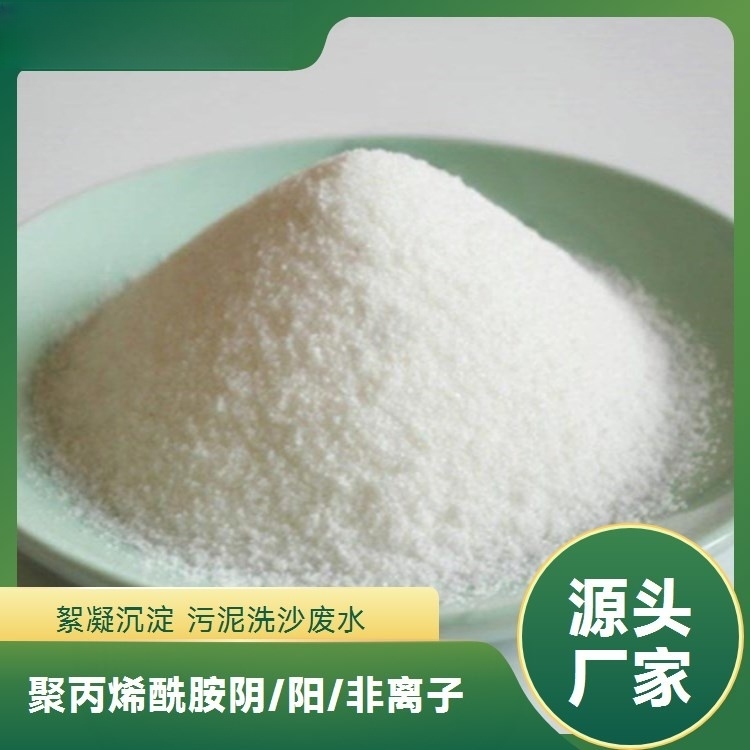
Nonionic polyacrylamide (NPAM) is a water-soluble polymer with no ionic charge in its molecular chain. Unlike anionic or cationic polyacrylamides, NPAM remains neutral in solution, making it suitable for applications where charge interactions could cause issues. Its primary function is as a flocculant and coagulant aid in water treatment processes, helping to aggregate suspended particles for easier removal.
The molecular structure of NPAM consists of long chains of acrylamide monomers with varying degrees of hydrolysis. The molecular weight typically ranges from 5 to 20 million Daltons, with higher molecular weights generally providing better flocculation performance. The neutral charge characteristic allows NPAM to work effectively across a wide pH range without being influenced by the ionic composition of the water.
Key Applications of Nonionic Polyacrylamide
Nonionic polyacrylamide finds extensive applications across multiple industries due to its versatile properties:
1. Water Treatment
In municipal and industrial water treatment plants, NPAM serves as an excellent flocculant for clarifying raw water, removing suspended solids, and improving sedimentation efficiency. It’s particularly effective in treating water with low turbidity or neutral pH where other types of polyacrylamide might be less efficient.
2. Paper Making Industry
NPAM acts as a retention aid and drainage aid in paper manufacturing. It helps improve paper strength by binding fibers together and enhances water drainage from the paper pulp, leading to increased production efficiency and reduced energy consumption.
3. Textile Industry
In textile processing, NPAM is used as a sizing agent to improve fabric strength and reduce breakage during weaving. It also serves as a dye-fixing agent, helping to enhance color fastness and reduce dye consumption.
4. Oil Industry
NPAM finds applications in oil recovery operations as a thickening agent for fracturing fluids and as a mobility control agent in enhanced oil recovery processes. Its ability to increase fluid viscosity helps improve oil displacement efficiency.
How to Select the Right Nonionic Polyacrylamide
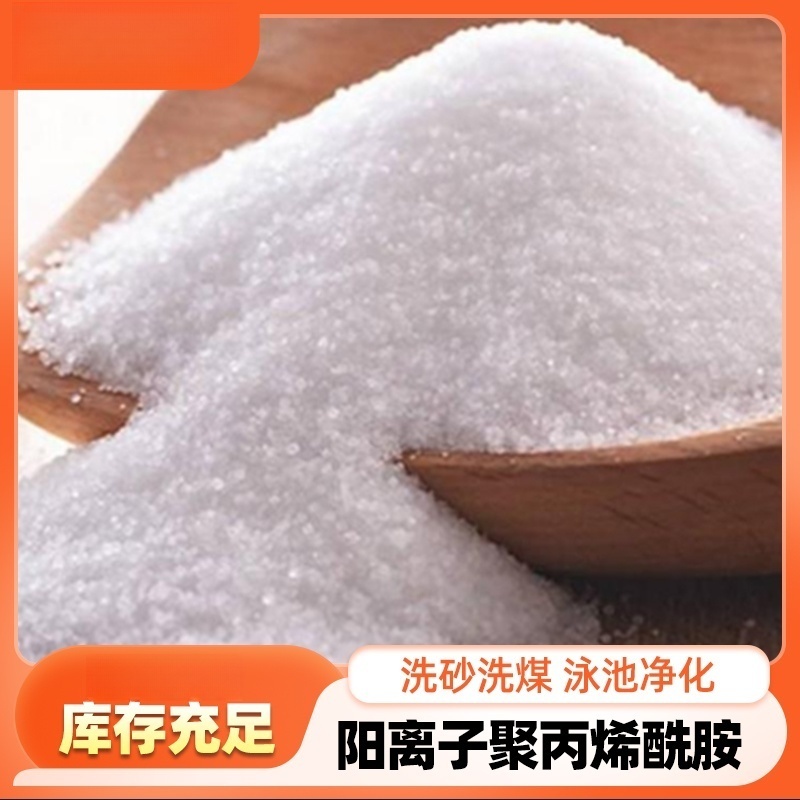
Choosing the appropriate nonionic polyacrylamide for your specific application requires careful consideration of several factors:
1. Molecular Weight
The molecular weight significantly impacts the flocculation performance of NPAM. Higher molecular weight products (15-20 million Daltons) typically provide better flocculation but may be more difficult to dissolve. Lower molecular weight products (5-10 million Daltons) dissolve more easily but may require higher dosages to achieve similar results.
2. Hydrolysis Degree
Although NPAM is nonionic by definition, some products may have slight hydrolysis (typically less than 5%). This minimal ionic character can sometimes enhance performance in specific applications without introducing the drawbacks of fully ionic products.
3. Dissolution Time
The speed at which NPAM dissolves in water affects its usability. Some products are specially formulated for rapid dissolution, which is crucial in applications requiring quick response times or continuous dosing systems.
4. Purity and Residual Monomer Content
High-purity NPAM with low residual acrylamide monomer content is essential for applications involving direct contact with drinking water or food products. Look for products that meet international safety standards for residual monomer content.
5. Application-Specific Formulations
Some suppliers offer NPAM products specifically formulated for certain industries or processes. These tailored formulations often provide better performance and cost-effectiveness than general-purpose products.
| Parameter | Specification Range | Impact on Performance |
|---|---|---|
| Molecular Weight (Daltons) | 5-20 million | Higher MW = better flocculation but slower dissolution |
| Hydrolysis Degree (%) | 0-5% | Slight hydrolysis may enhance performance in some cases |
| Solid Content (%) | 88-92% | Affects dosage calculations and transportation costs |
| Residual Monomer (%) | ≤0.05% | Crucial for drinking water applications |
| Dissolution Time (min) | 30-120 | Affects usability in continuous processes |
Top Nonionic Polyacrylamide Suppliers in China
When sourcing nonionic polyacrylamide, it’s essential to partner with reliable suppliers who can provide consistent quality and technical support. Here are some key factors to consider when evaluating potential suppliers:
- Production Capacity: Ensure the supplier can meet your volume requirements, especially for large-scale industrial applications.
- Quality Certifications: Look for suppliers with ISO certifications and products that comply with international standards like REACH, NSF, or FDA (for food-grade applications).
- Technical Support: Choose suppliers that offer technical assistance in product selection, dosage optimization, and troubleshooting.
- Logistics Capabilities: Consider suppliers with experience in international shipping and the ability to handle customs clearance efficiently.
- Customization Options: Some applications may require specially formulated products, so look for suppliers with R&D capabilities to develop tailored solutions.
Murong (Shanghai) International Trading Co., Ltd. stands out as a premier supplier of nonionic polyacrylamide and other water treatment materials. With years of industry experience and a professional team, we provide:
- High-quality nonionic polyacrylamide meeting international standards
- Customized formulations for specific applications
- Comprehensive technical support and dosage guidance
- Efficient logistics solutions for global delivery
- Competitive pricing with flexible payment terms
FAQ
What is the main difference between nonionic and anionic polyacrylamide?
The primary difference lies in their ionic charge. Nonionic polyacrylamide has no ionic charge in its molecular chain, making it suitable for neutral pH conditions and applications where ionic interactions could cause issues. Anionic polyacrylamide carries a negative charge, which makes it effective in treating positively charged suspended particles and in alkaline conditions.
How do I determine the optimal dosage of nonionic polyacrylamide for my application?
The optimal dosage depends on several factors including water quality, type of suspended particles, and treatment process. We recommend conducting jar tests using different concentrations to determine the most effective dosage. Our technical team can provide guidance and assistance with these tests to help you optimize your treatment process.
Can nonionic polyacrylamide be used in drinking water treatment?
Yes, but only products specifically approved for drinking water applications should be used. These products must meet strict safety standards for residual monomer content and other potential contaminants. Always verify that the product you’re using is certified for drinking water applications in your country or region.
What is the shelf life of nonionic polyacrylamide?
When stored properly in a cool, dry place away from direct sunlight, nonionic polyacrylamide typically has a shelf life of 2 years from the date of production. However, factors like humidity and temperature can affect its stability, so it’s important to follow the manufacturer’s storage recommendations.
Summary
Nonionic polyacrylamide is a versatile and essential chemical in various industrial processes, particularly water treatment. Selecting the right product requires careful consideration of molecular weight, hydrolysis degree, dissolution characteristics, and application-specific requirements. Partnering with a reliable supplier like Murong (Shanghai) International Trading Co., Ltd. ensures you receive high-quality products backed by professional technical support and efficient logistics services.
As a leading international trader based in Shanghai, we are committed to providing our global clients with top-quality nonionic polyacrylamide and other water treatment materials. Our experienced team is ready to assist you with product selection, dosage optimization, and any other technical queries you may have. Contact us today to discuss your requirements and discover how we can support your business with our comprehensive range of water treatment solutions.