
Citric acid is one of the most widely used organic acids in the world, with applications spanning from food and beverage production to industrial water treatment. As a key player in the international trade of water treatment materials, Murong (Shanghai) International Trading Co., Ltd. has extensive experience in sourcing and supplying high-quality citric acid products to global clients. This comprehensive guide will walk you through the essential considerations when selecting citric acid monomer, evaluating manufacturers, understanding quality standards, and exploring its diverse industrial applications.
Understanding Citric Acid Monomer: Basic Properties and Forms
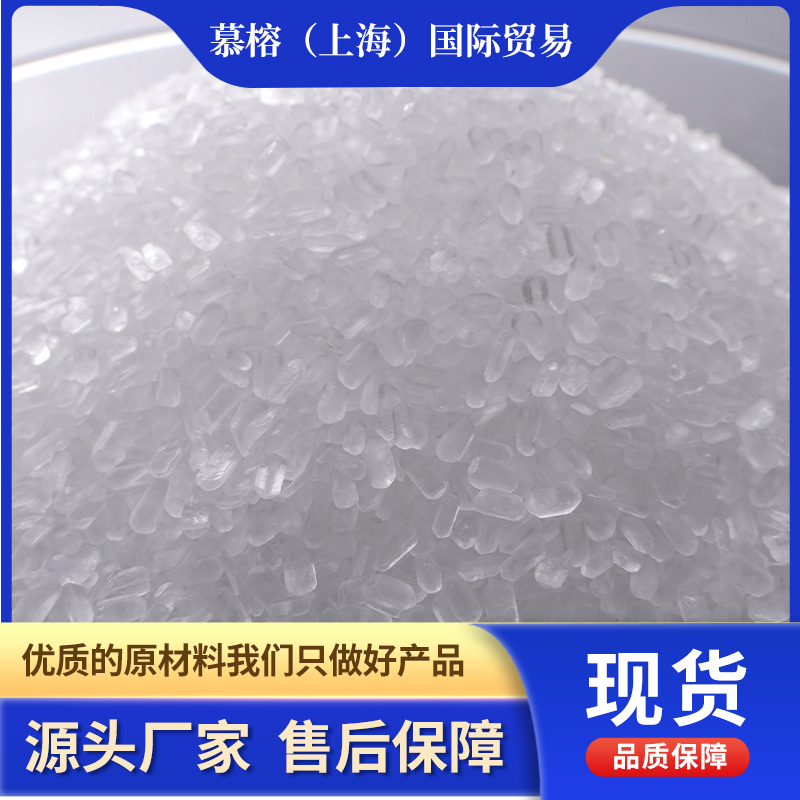
Citric acid exists in both anhydrous (water-free) and monohydrate forms, with the monohydrate being the most common commercial form. The term “monomer” in citric acid typically refers to the single molecule structure before polymerization (though citric acid doesn’t naturally polymerize in the same way as some other chemicals). For industrial purposes, we’re primarily concerned with the crystalline form of citric acid, which offers excellent stability and handling characteristics.
The chemical formula for citric acid is C₆H₈O₇, and it appears as white crystalline powder at room temperature. Its solubility in water (approximately 133 g/100 mL at 20°C) makes it particularly valuable for aqueous applications. The acid exists in a slightly acidic environment with a pKa₁ of 3.1, pKa₂ of 4.8, and pKa₃ of 6.4, which contributes to its buffering capacity in various solutions.
Key Factors in Selecting High-Quality Citric Acid Monomer
When evaluating citric acid products for industrial applications, several critical factors must be considered to ensure you’re getting a high-quality product that meets your specific needs:
1. Purity Level
Industrial-grade citric acid typically has a purity of 99.5% or higher. Food-grade citric acid must meet even stricter purity standards, often exceeding 99.7%. The remaining percentage consists of moisture content and minor impurities. Always verify the purity specification with your supplier, as lower purity can affect performance in sensitive applications.
2. Particle Size Distribution
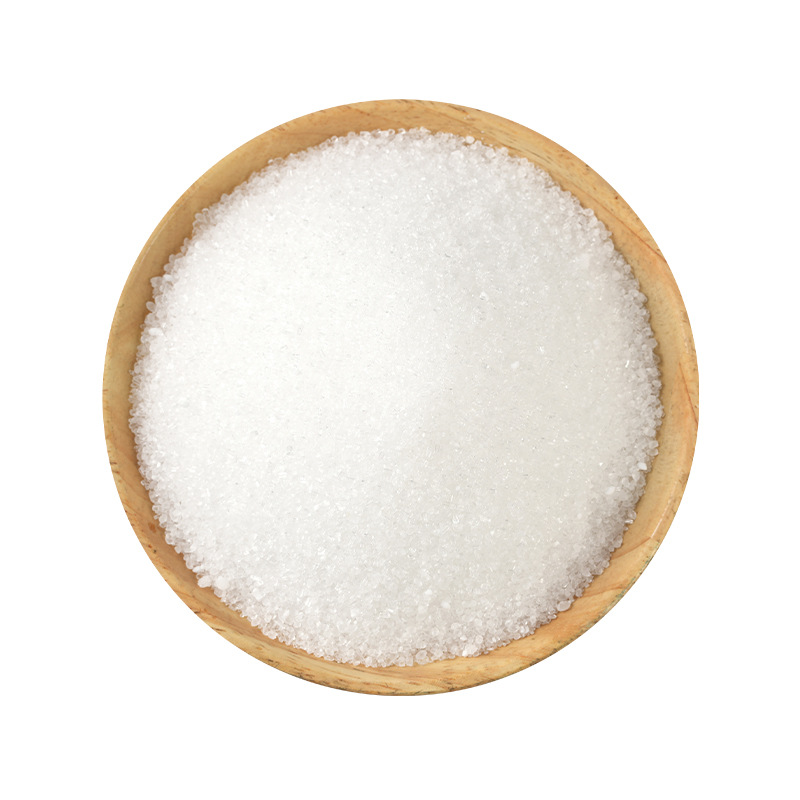
The particle size of citric acid crystals influences their dissolution rate and handling properties. Finer particles dissolve more quickly but may generate more dust during handling, while coarser particles are easier to handle but require more agitation to dissolve completely. Your supplier should provide particle size analysis reports upon request.
3. Heavy Metal Content
For applications in food, pharmaceuticals, or sensitive industrial processes, heavy metal contamination must be minimized. Reputable manufacturers test for lead, arsenic, mercury, and other heavy metals, with limits typically set at parts per million (ppm) levels. Ask for certificates of analysis (CoA) that include heavy metal testing results.
4. Microbiological Quality
While citric acid’s acidic nature inhibits most microbial growth, food-grade products must meet specific microbiological criteria. This includes testing for total plate count, yeast and mold counts, and the absence of specific pathogens like Salmonella and E. coli.
Evaluating Citric Acid Crystal Manufacturers and Factories
Choosing the right manufacturer is crucial for ensuring consistent quality and reliable supply. Here’s what to look for when evaluating potential citric acid suppliers:
1. Production Capacity and Scale
Large-scale manufacturers with significant production capacity can offer more competitive pricing and better supply stability, especially for bulk orders. Murong (Shanghai) International Trading works with several major factories in China that have annual production capacities exceeding 100,000 metric tons, ensuring we can meet even the largest orders without compromising quality.
2. Certification and Compliance
Reputable manufacturers should hold relevant certifications for their production facilities and products. Key certifications to look for include:
- ISO 9001: Quality management system
- ISO 22000: Food safety management (for food-grade products)
- HALAL and Kosher certifications (for specific markets)
- FDA registration (for products exported to the US)
- REACH compliance (for European markets)
3. Quality Control Systems
A robust quality control system is essential for consistent product quality. This includes:
- In-process quality checks during production
- Finished product testing before release
- Batch traceability systems
- Regular calibration of testing equipment
- Documentation of all quality control procedures
4. Research and Development Capabilities
Manufacturers with strong R&D capabilities can offer customized solutions and continuous product improvement. This is particularly valuable if you have specific requirements for particle size, purity levels, or packaging formats that standard products don’t meet.
Citric Acid Production Process: Understanding How Quality is Created
The production method of citric acid significantly impacts its final quality. There are two primary commercial production methods:
1. Fermentation Method (Most Common)
This biological process uses the mold Aspergillus niger to ferment carbohydrate sources (typically molasses or corn starch). The process involves:
- Preparation of the fermentation medium
- Inoculation with A. niger spores
- Fermentation under controlled conditions (typically 5-7 days)
- Recovery of citric acid from the fermentation broth
- Purification and crystallization
The fermentation method produces high-purity citric acid and allows for better control over impurities. It’s the preferred method for food-grade and pharmaceutical-grade products.
2. Chemical Synthesis (Less Common)
This method involves the synthesis of citric acid from petrochemical-derived precursors. While it can be cost-effective, the product typically contains more impurities and is primarily used for industrial applications where purity requirements are less stringent.
Murong (Shanghai) International Trading primarily sources citric acid produced through the fermentation method to ensure the highest quality for our clients, particularly those in food and sensitive industrial applications.
Industrial Applications of Citric Acid Crystals
Citric acid’s versatility makes it valuable across numerous industries. Here are some of the primary applications:
1. Food and Beverage Industry
As an acidulant, preservative, and flavor enhancer, citric acid is ubiquitous in processed foods and beverages. It’s used in:
- Soft drinks and fruit juices (for flavor and preservation)
- Canned fruits and vegetables (to maintain color and texture)
- Dairy products (in cheese making and yogurt stabilization)
- Confectionery (as an acidulant in gummies and hard candies)
2. Water Treatment
Citric acid is an effective chelating agent that binds with metal ions, making it valuable for:
- Scale removal in boilers and cooling towers
- Water softening in industrial processes
- Preventing scale formation in reverse osmosis systems
- As a component in swimming pool water treatment products
3. Pharmaceutical and Cosmetic Industry
In pharmaceuticals, citric acid serves as:
- An excipient in tablet formulations
- A buffering agent in liquid medications
- A component in effervescent tablet formulations
In cosmetics, it’s used in:
- Skin care products (as a pH adjuster)
- Hair care products (in chelating shampoos)
- Bath products (as a fizzing agent in bath bombs)
4. Industrial Cleaning
Citric acid’s chelating properties make it effective for:
- Descaling industrial equipment
- Cleaning boiler systems
- Removing rust and mineral deposits
- As a component in eco-friendly cleaning products
FAQ
What is the difference between food-grade and industrial-grade citric acid?
Food-grade citric acid must meet stricter purity standards and is tested for microbiological quality and heavy metal content. It’s produced in facilities that follow food safety regulations and is packaged in clean conditions suitable for food contact. Industrial-grade citric acid may have slightly lower purity and isn’t tested to the same microbiological standards, making it suitable for non-food applications where these factors aren’t critical.
How can I verify the quality of citric acid before purchasing?
Request a certificate of analysis (CoA) from your supplier that includes information on purity, moisture content, heavy metal levels, and microbiological testing (for food-grade products). Reputable manufacturers like those Murong (Shanghai) International Trading works with will provide detailed CoAs for each batch. You can also ask for samples to conduct your own testing before committing to large orders.
What is the typical shelf life of citric acid crystals?
When stored properly in a cool, dry place away from direct sunlight, citric acid crystals can maintain their quality for 3-5 years. The main factors affecting shelf life are moisture absorption (which can cause caking) and exposure to high temperatures (which can accelerate degradation). Always check the production date on the packaging and use older stock first.
Can citric acid be customized for specific applications?
Yes, many manufacturers offer customized citric acid products. Common customizations include specific particle size distributions, packaging formats (from small bags to bulk containers), and purity levels tailored to particular applications. Murong (Shanghai) International Trading works closely with our manufacturing partners to provide customized solutions for our clients’ unique requirements.
Summary
Selecting the right citric acid monomer requires careful consideration of purity, particle size, heavy metal content, and microbiological quality, depending on your specific application. Choosing a reputable manufacturer with robust quality control systems and relevant certifications is crucial for ensuring consistent product quality. Understanding the production process helps you evaluate the quality of different suppliers, while knowing the diverse applications of citric acid can open up new uses for this versatile chemical in your operations.
As a trusted international trader with deep expertise in water treatment materials, Murong (Shanghai) International Trading Co., Ltd. is well-positioned to help you source high-quality citric acid products that meet your exact specifications. Our experienced team can guide you through the selection process, provide detailed product information, and ensure reliable supply to support your business operations worldwide.