
When it comes to industrial water treatment solutions, coconut shell activated carbon stands out as one of the most effective and widely used materials. As a professional international trading company based in Shanghai, Murong (Shanghai) International Trading Co., Ltd. specializes in providing high-quality water treatment materials, including various types of activated carbon products. In this comprehensive guide, we’ll explore everything you need to know about coconut shell activated carbon price per ton, helping you make informed purchasing decisions for your industrial applications.
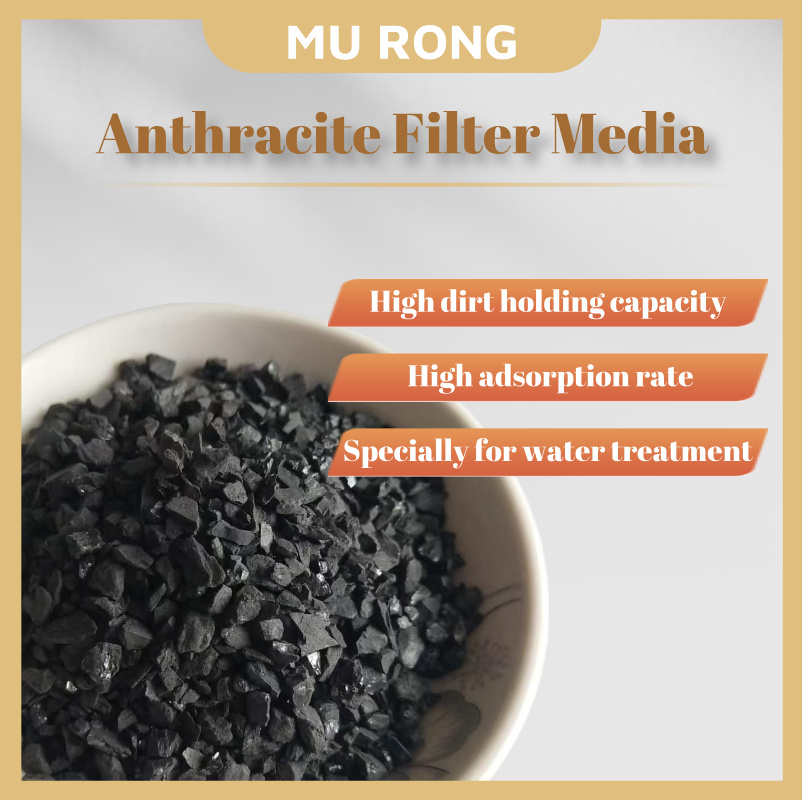
Understanding Coconut Shell Activated Carbon
Coconut shell activated carbon is derived from coconut husks through a specialized activation process that creates millions of tiny pores. These pores give the carbon its exceptional adsorption capacity, making it highly effective at removing impurities, contaminants, and odors from water and air. Compared to other types of activated carbon, coconut shell-based products offer several advantages:
- Higher surface area for better adsorption
- More micro-pores for capturing smaller molecules
- Renewable and eco-friendly raw material source
- Lower ash content and higher purity
- Excellent mechanical strength and durability
These characteristics make coconut shell activated carbon particularly suitable for demanding industrial applications, including water purification, wastewater treatment, air filtration, and chemical processing. The material’s superior performance often justifies its position in the higher price range compared to other activated carbon types.
Current Coconut Shell Activated Carbon Price Per Ton (2024)
As of mid-2024, the global market price for coconut shell activated carbon typically ranges between $1,800 to $3,500 per metric ton, depending on various factors we’ll discuss below. This pricing reflects the material’s quality, specifications, and the current supply-demand dynamics in the international market.
It’s important to note that prices can vary significantly based on:
- Quality grade and purity level
- Particle size distribution
- Iodine number (measure of adsorption capacity)
- Packaging requirements
- Order quantity and frequency
- Certification requirements
- Destination country and shipping terms
For bulk industrial purchases, working with an experienced international supplier like Murong International can help you secure competitive pricing while ensuring consistent product quality.
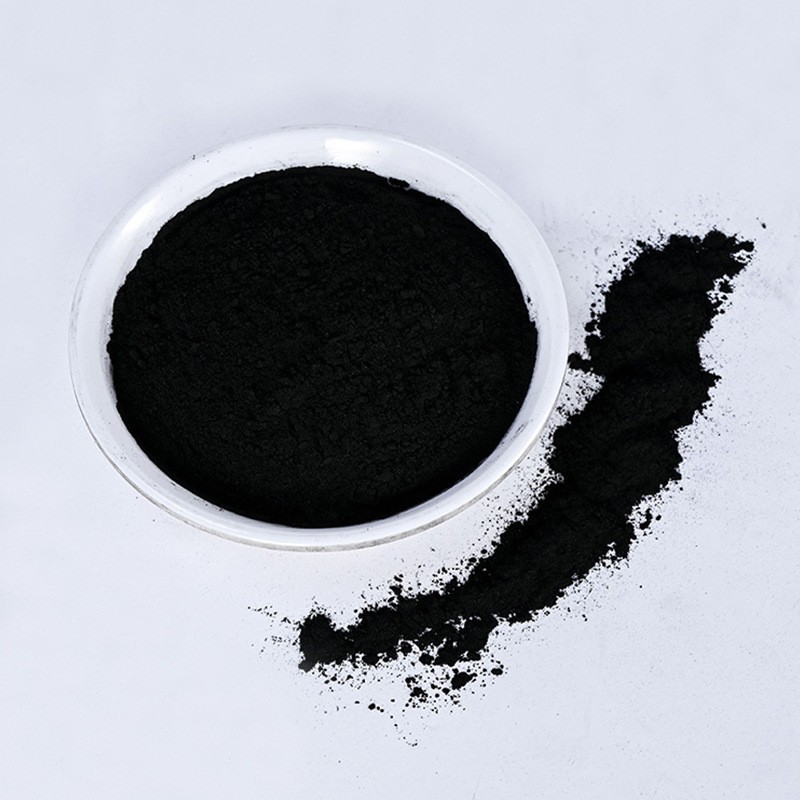
Factors Influencing Coconut Shell Activated Carbon Pricing
Several key factors contribute to the pricing of coconut shell activated carbon. Understanding these elements can help you better evaluate quotes from different suppliers and make cost-effective purchasing decisions:
1. Raw Material Availability
The primary cost driver is the availability and price of coconut shells. As a byproduct of the coconut industry, shell availability can fluctuate based on coconut production cycles, weather conditions affecting coconut crops, and competition from other industries that use coconut shells (like charcoal production).
2. Manufacturing Process
The activation method used significantly impacts both quality and cost. Physical activation (using steam) typically produces higher-quality carbon but is more expensive than chemical activation. The duration and temperature of the activation process also affect the final product’s characteristics and price.
3. Quality Specifications
Higher-grade products with better purity, higher iodine numbers, and more consistent particle sizes command premium prices. Industrial buyers should carefully evaluate their specific requirements to balance performance needs with budget constraints.
4. Certification Requirements
Products needing specific certifications (like NSF, ISO, or food-grade approvals) involve additional testing and documentation, which can increase costs by 5-15% depending on the certification type.
5. Market Demand
Global demand for activated carbon, particularly in water treatment and air purification applications, affects pricing. Increased environmental regulations in many countries have boosted demand, putting upward pressure on prices.
6. Shipping and Logistics
For international buyers, shipping costs, customs duties, and import regulations can significantly impact the final landed cost. Working with a supplier experienced in global logistics can help optimize these expenses.
| Factor | Impact on Price |
|---|---|
| High-quality coconut shells | Increases cost by 10-20% |
| Physical activation process | Adds 15-25% to cost |
| Iodine number >1000 mg/g | Premium pricing |
| NSF certification | Adds 8-12% to cost |
| Bulk orders (10+ tons) | Discounts of 5-15% |
How to Choose a Reliable Coconut Shell Activated Carbon Supplier
Selecting the right supplier is crucial for ensuring consistent product quality and reliable delivery. Here are key factors to consider when evaluating potential suppliers:
1. Industry Experience and Expertise
Look for companies with several years of experience in the activated carbon industry, particularly in international trade. Experienced suppliers understand the complexities of global logistics and can navigate potential challenges more effectively.
2. Product Quality Certifications
Ensure the supplier can provide products meeting relevant international standards for your application. Common certifications include ISO 9001 (quality management), NSF/ANSI 61 (drinking water systems), and food-grade certifications if applicable.
3. Production Capacity
For large industrial orders, verify that the supplier has sufficient production capacity to meet your requirements without compromising quality. This is particularly important for long-term partnerships.
4. Technical Support
A good supplier should offer technical support to help you select the right product specifications for your specific application and provide guidance on optimal usage and maintenance.
5. Supply Chain Transparency
Choose suppliers who can provide transparency about their sourcing and manufacturing processes. This helps ensure ethical practices and consistent quality control.
6. Customer References
Request references from other international clients, particularly those in similar industries or with comparable order volumes. This provides insight into the supplier’s reliability and service quality.
FAQ
What is the typical price range for coconut shell activated carbon per ton?
The current market price for coconut shell activated carbon ranges from $1,800 to $3,500 per metric ton, depending on quality specifications, order quantity, and certification requirements. Higher-grade products with better purity and higher iodine numbers typically fall at the upper end of this range.
How does coconut shell activated carbon compare to coal-based activated carbon in price?
Coconut shell activated carbon is generally more expensive than coal-based alternatives, typically costing 20-40% more per ton. The premium price reflects its superior adsorption capacity, especially for smaller molecules, lower ash content, and renewable raw material source. For many industrial applications, the performance benefits justify the higher cost.
What certifications should I look for when purchasing activated carbon for water treatment?
For water treatment applications, look for products certified to NSF/ANSI 61 standards, which ensure the material is safe for drinking water systems. ISO 9001 certification indicates quality management systems, while food-grade certifications may be required for certain applications. Your supplier should provide test reports verifying these certifications.
How can I reduce the cost of purchasing coconut shell activated carbon?
To optimize costs: 1) Purchase in larger quantities to qualify for volume discounts, 2) Work with suppliers to select the most appropriate grade for your application (avoiding over-specification), 3) Consider longer-term contracts for better pricing stability, and 4) Optimize packaging and shipping methods to reduce logistics costs.
What is the shelf life of coconut shell activated carbon?
When stored properly in a cool, dry environment away from direct sunlight and contaminants, coconut shell activated carbon can maintain its effectiveness for 3-5 years. Proper storage is crucial to prevent premature activation loss and maintain adsorption capacity.
How do I determine the right particle size for my application?
Particle size selection depends on your specific application. For liquid phase applications like water treatment, finer particles (8×30 mesh) offer better contact area but may require more backwashing. For gas phase applications, larger particles (4×8 mesh) reduce pressure drop while maintaining sufficient contact time. Your supplier should provide technical guidance based on your system parameters.
What are the environmental benefits of choosing coconut shell activated carbon?
Coconut shell activated carbon is considered more environmentally friendly than coal-based alternatives because: 1) Coconut shells are a renewable agricultural byproduct, 2) The production process typically generates fewer emissions, and 3) The material can often be regenerated and reused multiple times, extending its lifecycle and reducing waste.
Can activated carbon be regenerated, and does this affect pricing?
Yes, coconut shell activated carbon can be regenerated through thermal or chemical processes, typically restoring 80-90% of its original capacity. Regeneration costs about 40-60% of new carbon prices, offering significant savings for large-scale users. However, transportation costs to regeneration facilities must be considered in the total cost analysis.
What payment terms are common for international activated carbon purchases?
Common payment terms for international trade include Letters of Credit (LC), Telegraphic Transfer (TT) with deposits, and Documentary Collections. For established relationships, some suppliers may offer open account terms. Your supplier’s financial stability and your relationship duration should guide your payment term selection.
How does currency exchange affect activated carbon pricing for international buyers?
Currency fluctuations can significantly impact final pricing for international buyers. Many suppliers quote prices in USD for stability, but payment may be accepted in other major currencies. Consider using hedging strategies or working with suppliers that offer price adjustment clauses to manage exchange rate risks in long-term contracts.
Summary
Understanding coconut shell activated carbon price per ton requires consideration of multiple factors, from raw material costs to quality specifications and certification requirements. While prices typically range from $1,800 to $3,500 per metric ton, the superior performance characteristics of coconut shell-based products often justify the investment for demanding industrial applications.
When purchasing activated carbon, prioritize working with experienced international suppliers like Murong (Shanghai) International Trading Co., Ltd. that can provide consistent quality, technical support, and reliable delivery. By carefully evaluating your specific requirements and considering the factors outlined in this guide, you can secure the best value for your investment in this critical water treatment material.
For personalized assistance or to request a detailed quotation, contact our team of experts today. We’re committed to helping you find the optimal activated carbon solution for your industrial needs while ensuring cost-effectiveness and product quality.