 Murong (Shanghai) International Trading Co., Ltd.
Murong (Shanghai) International Trading Co., Ltd.
Murong (Shanghai) International Trading Co., Ltd.
Murong (Shanghai) International Trading Co., Ltd.
Murong (Shanghai) International Trading Co., Ltd.
I. Introduction: The Cross-border Integration of Water Treatment Materials and Waste Gas Treatment
In the field of environmental protection, the integration of water treatment materials and waste gas treatment technology is becoming a new trend. Muerong (Shanghai) International Trade Co., Ltd., as a company specializing in international trade of water treatment materials, has successfully applied water treatment materials to the waste gas treatment of Japanese painting rooms, achieving dual improvements in technological upgrade and environmental benefits, thanks to its profound technical accumulation and rich industry experience.
II. Technical Principle: How Water Treatment Materials Contribute to Waste Gas Purification
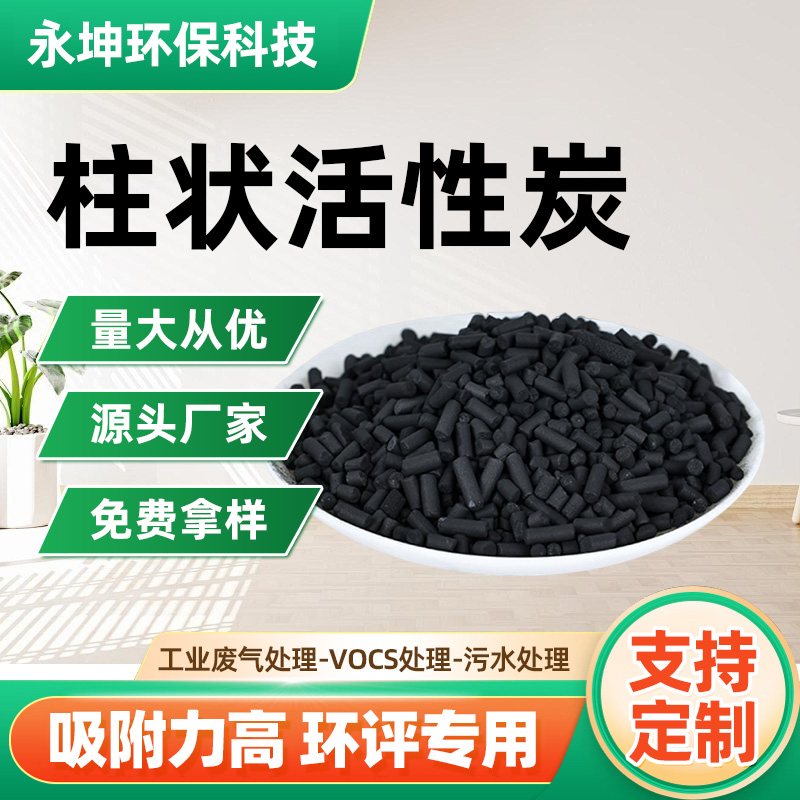
Muyong Company utilizes water treatment materials primarily including coconut shell granular activated carbon, honeycomb activated carbon, etc., which feature high specific surface area and strong adsorption capacity. In the treatment of spray booth waste gases, these materials can effectively adsorb organic solvents and particulates, among other pollutants, through both physical and chemical adsorption, achieving purification of the waste gases. Moreover, Muyong Company also customizes targeted activated carbon formulas based on the specific composition and concentration of the spray booth waste gases, further enhancing the treatment efficiency.
III. Practical Steps: Application of Water Treatment Materials in Paint Booth Waste Gas Treatment
STEP 1: Waste Gas Collection and PretreatmentFirstly, the exhaust gas generated by the paint spray room is collected through a gas hood and pipeline system, and undergoes preliminary filtration and cooling treatment to remove large particles and reduce the temperature of the exhaust gas, creating favorable conditions for subsequent treatment.
Step 2: Activated Carbon Adsorption TreatmentThe pre-treated waste gas is introduced into the activated carbon adsorption unit, where pollutants in the waste gas are adsorbed and fixed on the surface of the activated carbon. The activated carbon adsorption unit adopted by Mu Rong Company has a multi-layer structure, ensuring sufficient contact between the waste gas and the activated carbon, thereby enhancing the adsorption efficiency.
STEP 3: Regular replacement and regenerationWith the extension of adsorption time, activated carbon gradually reaches saturation and loses its adsorption ability. At this point, it is necessary to timely replace new activated carbon and subject the saturated activated carbon to regeneration treatment to restore its adsorption properties. Mu Rong Company provides comprehensive activated carbon replacement and regeneration services to ensure the continuous and stable operation of the treatment system.
4. Parameter Analysis: Key Performance Indicators of Activated Carbon Adsorption Equipment
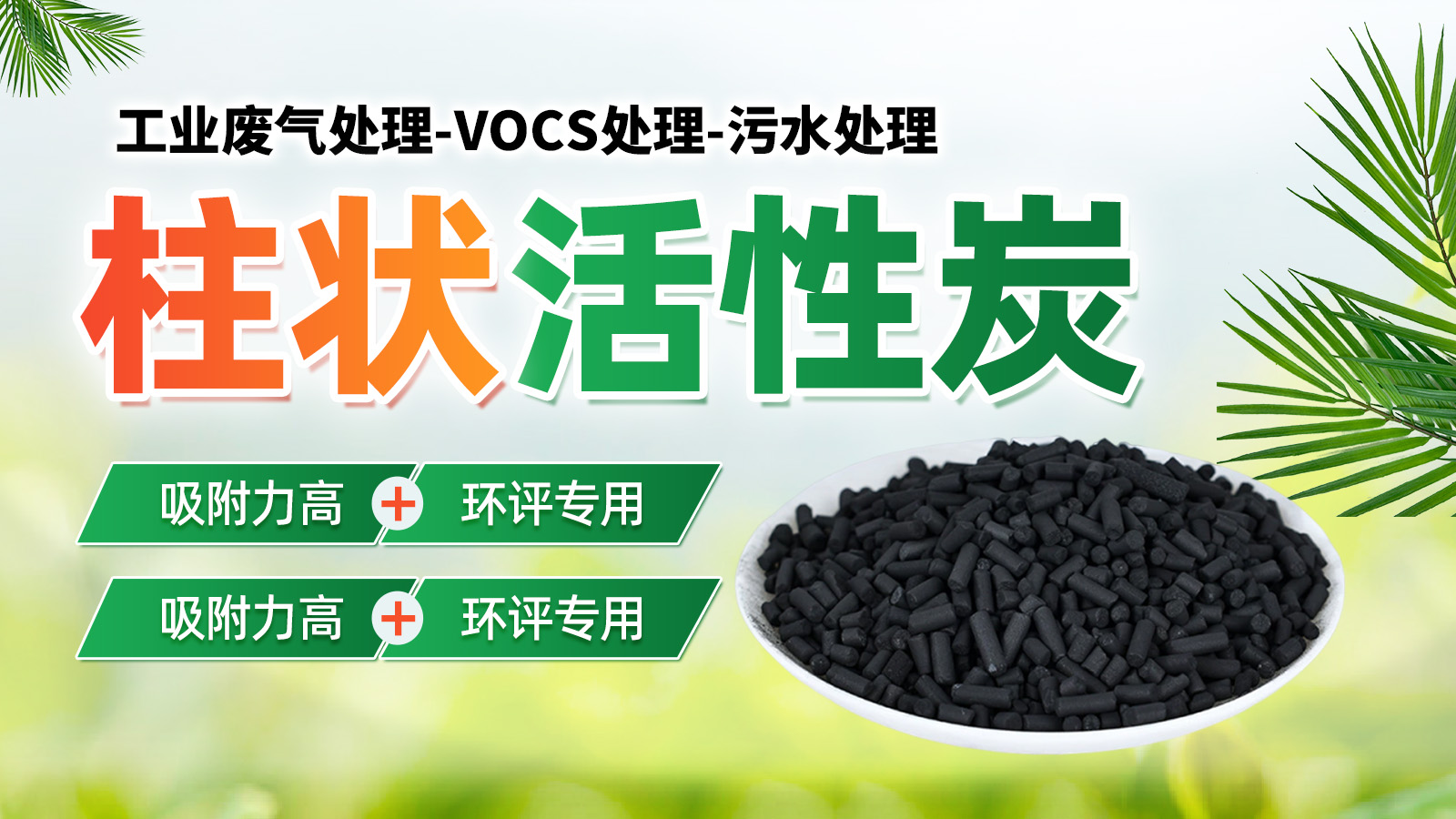
The activated carbon adsorption unit provided by Mu Rong Company has the following key performance indicators: the treatment air volume can reach 5000-20000 m³/h, suitable for paint booths of different scales; the adsorption efficiency is up to over 90%, capable of effectively removing organic solvents and particulates from waste gases; the equipment has low resistance and stable operation; in addition, the unit is equipped with an intelligent control system, which can monitor the waste gas treatment effect in real-time and automatically adjust operating parameters as needed.
V. Real Case: Mu Rong Company Assists a Japanese Paint Spraying Factory in Upgrading Waste Gas Treatment
A Japanese paint spraying factory previously used traditional waste gas treatment methods, which were ineffective and expensive to operate. Mu Rong Company tailored an activated carbon adsorption treatment plan based on the factory's specific conditions. After a period of operation, the factory's waste gas emission concentration significantly decreased, meeting local environmental protection standards. At the same time, due to the stable and reliable operation of the activated carbon adsorption unit with low maintenance costs, the overall operating costs of the factory were also effectively controlled.
6. FAQ: Common Questions and Answers about Mu Rong Company's Water Treatment Materials in Waste Gas Treatment
Q1: What types of waste gas treatment are suitable for activated carbon adsorption units?
A1: Activated carbon adsorption units are suitable for treating waste gases containing organic solvents, particulates, and other pollutants, such as those emitted from paint booths, printing plants, chemical factories, etc.
Q2: What factors can affect the adsorption efficiency of activated carbon?
A2: The adsorption efficiency of activated carbon is affected by factors such as waste gas composition, concentration, temperature, humidity, as well as the type, particle size, and specific surface area of the activated carbon. Muerong Company will customize appropriate activated carbon formulations and treatment plans based on the specific circumstances of the customer.
Q3: Does the activated carbon adsorption unit require regular maintenance? How should it be maintained?
A3: Yes, the activated carbon adsorption unit requires regular maintenance. This mainly includes replacing saturated activated carbon regularly, cleaning or replacing the filter screen, and checking the equipment's operating status. Muerong Company provides comprehensive maintenance services to ensure the continuous and stable operation of the treatment system.
Seven, Conclusion: Muerong Company supports environmental protection with professional strength.
Muyong (Shanghai) International Trade Co., Ltd., leveraging its professional advantages in the international trade of water treatment materials, has successfully applied water treatment materials to the exhaust treatment of Japanese paint booths, achieving dual improvements in technological upgrade and environmental benefits. In the future, Muyong will continue to adhere to the business philosophy of "honesty as the foundation, reputation as the top priority, win-win cooperation, and dedicated service," to jointly seek development with global customers and contribute more to the environmental protection cause.