
In the global water treatment industry, coconut shell activated carbon stands out as a premium filtration material due to its exceptional adsorption capacity and environmental sustainability. As businesses worldwide seek cost-effective solutions for water purification, understanding the pricing dynamics and supplier selection criteria becomes crucial. This comprehensive guide by Murong (Shanghai) International Trading Co., Ltd. – a leading industrial activated carbon supplier – provides valuable insights into coconut shell activated carbon pricing, cost factors, and supplier evaluation methods.
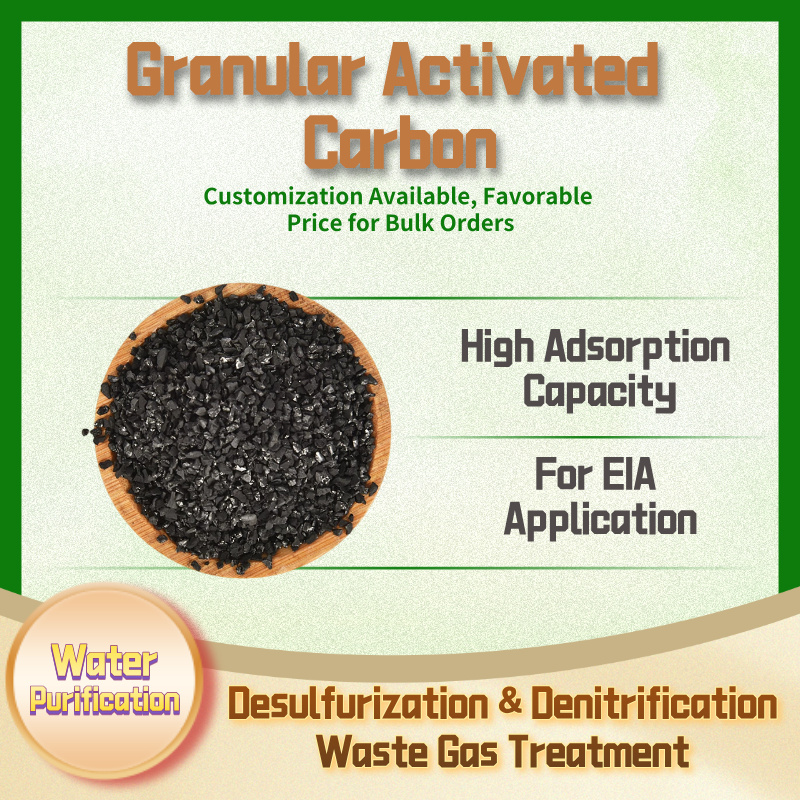
Understanding Coconut Shell Activated Carbon Pricing Structure
The price of coconut shell activated carbon typically ranges between $1,200 to $2,500 per metric ton, with variations depending on several key factors. This pricing structure reflects the material’s superior quality compared to other types of activated carbon like coal-based or wood-based alternatives. The premium pricing is justified by coconut shell activated carbon’s higher iodine number (typically 900-1,100 mg/g), larger surface area (900-1,200 m²/g), and better mechanical strength.
Murong International’s pricing model considers multiple variables to ensure competitive yet sustainable rates for our global clients. Our transparent pricing approach helps customers make informed purchasing decisions while maintaining consistent product quality across all orders. The company’s strategic location in Shanghai provides logistical advantages that contribute to cost efficiency without compromising on product specifications.
Key Factors Influencing Activated Carbon Costs
Several critical elements determine the final price of coconut shell activated carbon:
1. Raw Material Quality
The quality of coconut shells used in production significantly impacts costs. Premium-grade shells from mature coconuts yield higher-quality activated carbon but come at a premium price. Murong International sources raw materials from certified sustainable plantations to ensure consistent quality while supporting environmental conservation efforts.
2. Activation Process
The activation method (steam activation vs. chemical activation) affects both production costs and final product performance. Steam activation, while more expensive, produces activated carbon with superior purity and environmental compatibility – a key consideration for water treatment applications. Our state-of-the-art activation facilities in Shanghai employ optimized processes to balance cost and quality.
3. Particle Size Distribution
Customized particle sizes for specific applications (e.g., 8×30 mesh for liquid phase filtration vs. 4×8 mesh for gas phase applications) require different production parameters, influencing costs. Murong International offers tailored granulation services to meet diverse industrial requirements without excessive price premiums.

4. Packaging and Logistics
Transportation costs from Shanghai to global destinations, along with packaging requirements (bulk bags vs. small containers), contribute to the final pricing. Our logistics team develops optimized shipping solutions that balance cost efficiency with product safety during transit.
5. Market Demand Fluctuations
Seasonal variations in coconut harvests and global demand patterns can cause temporary price adjustments. Murong International maintains strategic inventory levels to mitigate market volatility and ensure stable pricing for our long-term clients.
Comparative Analysis: Coconut Shell vs. Other Activated Carbons
When evaluating activated carbon options, understanding the cost-benefit ratio is essential. The following table compares coconut shell activated carbon with other common types:
| Parameter | Coconut Shell AC | Coal-Based AC | Wood-Based AC |
|---|---|---|---|
| Iodine Number (mg/g) | 900-1,100 | 600-900 | 800-1,000 |
| Surface Area (m²/g) | 900-1,200 | 700-1,000 | 800-1,100 |
| Ash Content (%) | 3-5 | 8-15 | 5-10 |
| Price Range ($/ton) | 1,200-2,500 | 800-1,800 | 1,000-2,200 |
| Typical Applications | Potable water, food & beverage, pharmaceutical | Industrial wastewater, air purification | Decolorization, odor control |
This comparison demonstrates that while coconut shell activated carbon commands a premium price, its superior performance characteristics often justify the investment, particularly in applications requiring high-purity filtration. Murong International’s technical team assists clients in conducting cost-benefit analyses to determine the most economical solution for their specific requirements.
Selecting a Reliable Coconut Shell Activated Carbon Supplier
Choosing the right supplier is as critical as understanding pricing dynamics. When evaluating potential partners, consider these essential criteria:
- Certifications and Compliance: Ensure the supplier holds relevant certifications such as ISO 9001, NSF/ANSI 61, and food-grade certifications for potable water applications. Murong International maintains comprehensive quality management systems and all necessary certifications for global markets.
- Production Capacity: Verify the supplier’s ability to meet your volume requirements consistently. Our Shanghai facility boasts an annual production capacity exceeding 10,000 metric tons, ensuring reliable supply even for large-scale projects.
- Technical Support: Look for suppliers offering technical assistance in product selection and application optimization. Murong’s team of chemical engineers provides free consultation services to help clients maximize filtration efficiency.
- Customization Capabilities:
- The ability to produce specialized grades for unique applications demonstrates supplier expertise. We offer custom activation levels, particle sizes, and packaging solutions tailored to client specifications.
- Sustainability Practices: Environmental responsibility is increasingly important in supply chain decisions. Our coconut shell sourcing follows sustainable harvesting practices, and our production processes minimize waste generation.
FAQ
What is the typical lead time for coconut shell activated carbon orders?
Standard orders from Murong International typically ship within 10-15 working days after order confirmation. For customized specifications or large volumes, our production team provides estimated lead times based on current capacity and raw material availability.
How does Murong ensure consistent activated carbon quality?
We implement rigorous quality control measures at every production stage, including raw material inspection, in-process monitoring, and final product testing. Our Shanghai laboratory conducts comprehensive analyses for iodine number, surface area, particle size distribution, and other critical parameters before shipment.
Can Murong provide activated carbon samples for testing?
Yes, we offer free sample quantities (typically 1-5 kg) for qualified clients to conduct application-specific testing. Our technical team provides guidance on proper testing protocols to ensure accurate evaluation of product performance.
What payment terms does Murong International offer?
We provide flexible payment options including T/T (telegraphic transfer), L/C (letter of credit), and D/P (documents against payment) for international transactions. Our financial team works with clients to establish mutually beneficial payment terms based on order volume and partnership duration.
Does Murong offer technical support for activated carbon application?
Absolutely. Our team of chemical engineers and water treatment specialists provides free consultation services to help clients optimize their filtration systems. We offer guidance on proper dosage, contact time, and regeneration procedures to maximize product lifespan and performance.
Summary
Understanding coconut shell activated carbon pricing requires consideration of multiple factors including raw material quality, production processes, and market dynamics. While typically priced between $1,200 to $2,500 per metric ton, the superior performance characteristics of coconut shell activated carbon often justify the investment for demanding water treatment applications. Murong (Shanghai) International Trading Co., Ltd. stands out as a reliable supplier by combining competitive pricing with uncompromising quality standards, technical expertise, and sustainable practices. Our strategic location in Shanghai enables efficient global distribution while maintaining strict quality control throughout the production process. For businesses seeking a trustworthy partner in water treatment solutions, Murong International offers the perfect balance of cost efficiency, product quality, and technical support.