
When it comes to industrial water treatment and air purification solutions, coconut shell activated carbon stands out as one of the most effective and versatile materials available. As a leading international trading company based in Shanghai, Murong (Shanghai) International Trading Co., Ltd. specializes in providing high-quality water treatment materials including various types of activated carbon products. This comprehensive guide will help you understand the pricing factors, quality considerations, and supplier selection criteria for coconut shell activated carbon.
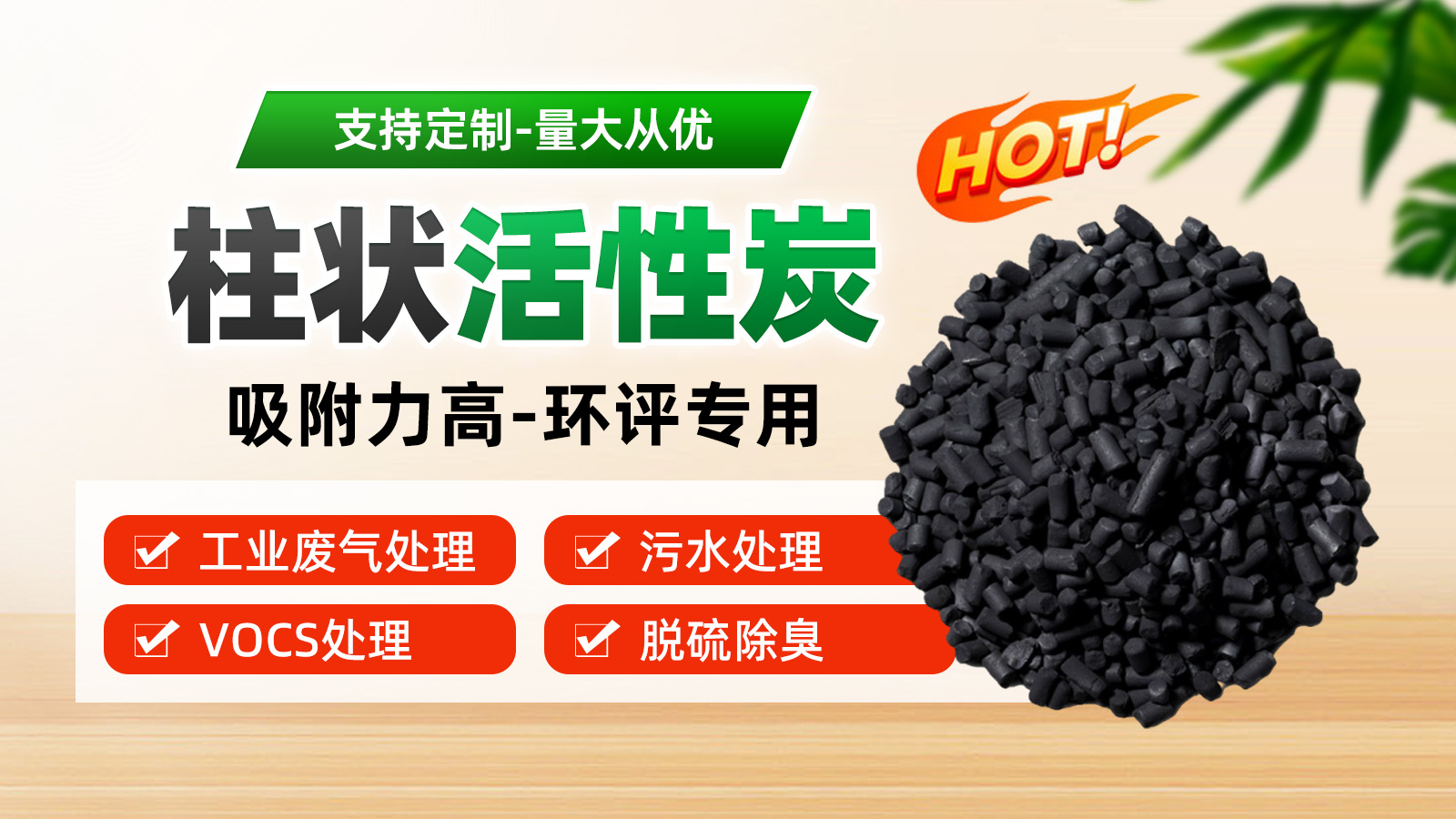
Understanding Coconut Shell Activated Carbon Pricing
The price of coconut shell activated carbon typically ranges from $1,200 to $2,500 per metric ton, depending on several key factors. As a specialized trading company with deep industry experience, we understand that pricing isn’t just about the raw material cost – it reflects the entire value chain from production to delivery.
First, the quality of the raw coconut shells significantly impacts pricing. Premium-grade shells from specific regions produce higher-quality activated carbon with better adsorption capacity. Second, the activation process itself matters – physically activated carbon (using steam) generally costs more than chemically activated varieties but offers superior purity for sensitive applications.
Third, particle size and iodine number (a measure of adsorption capacity) directly affect price. Smaller particles with higher iodine numbers command premium pricing due to their enhanced performance in water treatment applications. Finally, packaging and transportation costs, especially for international shipments, must be factored into the final price.
Key Factors Influencing Coconut Shell Activated Carbon Quality
As an experienced international trader, we emphasize that price should never be the sole determining factor when selecting activated carbon. The quality parameters below are crucial for ensuring effective performance in industrial applications:
- Iodine Number: Typically ranges from 800 to 1,200 mg/g for coconut shell activated carbon. Higher numbers indicate better adsorption capacity for organic contaminants.
- Particle Size Distribution: Critical for specific applications. Fine powders (80-200 mesh) work best for liquid phase filtration, while larger granules (4-12 mesh) are ideal for gas phase applications.
- Moisture Content: Should be below 5% for optimal performance. Excess moisture reduces adsorption capacity and can cause operational issues.
- Ash Content: Premium coconut shell activated carbon typically has less than 5% ash, indicating minimal inorganic impurities.
- Hardness Number: Measures resistance to attrition. Higher numbers (90-98) indicate longer service life in continuous operation systems.

Comparing Coconut Shell Activated Carbon with Other Types
When evaluating options for your industrial application, it’s important to understand how coconut shell activated carbon compares to alternatives:
| Characteristic | Coconut Shell | Coal-Based | Wood-Based |
|---|---|---|---|
| Pore Structure | Predominantly microporous | Mixed meso/microporous | Mostly microporous |
| Surface Area | 900-1,200 m²/g | 800-1,000 m²/g | 700-900 m²/g |
| Mechanical Strength | High (90-98) | Medium (85-95) | Low (70-85) |
| Best For | Water treatment, food-grade applications | Air purification, industrial gas treatment | Deodorization, solvent recovery |
How to Select a Reliable Coconut Shell Activated Carbon Supplier
Choosing the right supplier is as important as selecting the product itself. Based on our experience serving international clients, here are the key criteria to evaluate:
1. Quality Certification: Look for suppliers with ISO 9001:2015 quality management certification and relevant product certifications like NSF/ANSI 61 for drinking water applications. Reputable manufacturers will provide detailed quality reports with each batch.
2. Production Capacity: Ensure the supplier has sufficient production capacity to meet your requirements consistently. Our company maintains strategic partnerships with multiple manufacturing facilities to guarantee stable supply.
3. Technical Support: A reliable supplier should offer technical consultation to help you select the right grade based on your specific application parameters like flow rate, contaminant types, and required service life.
4. Logistics Capability: For international buyers, the supplier’s ability to handle documentation, customs clearance, and transportation is crucial. Our integrated logistics system ensures timely delivery worldwide.
5. After-Sales Service: The best suppliers provide ongoing support including performance monitoring, replacement scheduling, and troubleshooting assistance. We maintain dedicated customer service teams for post-purchase support.
FAQ
What is the typical service life of coconut shell activated carbon in water treatment?
The service life depends on several factors including contaminant load, flow rate, and carbon quality. Under normal conditions with moderate contamination, coconut shell activated carbon can last 6-18 months before requiring replacement. Regular monitoring of effluent quality helps determine optimal replacement timing.
How does particle size affect activated carbon performance?
Smaller particles (higher mesh numbers) provide greater surface area and faster adsorption kinetics, making them ideal for liquid phase applications. Larger particles offer lower pressure drop and better mechanical stability, suitable for gas phase treatment or high-flow systems. Our technical team can recommend the optimal size for your specific application.
Can coconut shell activated carbon be regenerated?
Yes, thermal regeneration can restore about 90-95% of original adsorption capacity. However, regeneration requires specialized facilities and is more cost-effective for large-scale applications. For most industrial buyers, replacing spent carbon is more practical than regeneration.
What safety precautions should be taken when handling activated carbon?
While non-toxic, activated carbon dust can be irritating. We recommend wearing protective gear including dust masks, gloves, and safety goggles during handling. Proper ventilation should be maintained in storage and processing areas. Our product packaging is designed to minimize dust generation during transport and storage.
How does your company ensure consistent product quality?
We implement strict quality control at every stage: raw material inspection, production process monitoring, and final product testing. Each batch comes with a detailed quality certificate showing key parameters like iodine number, moisture content, and particle size distribution. Our ISO-certified system ensures compliance with international standards.
Summary
Selecting the right coconut shell activated carbon supplier requires careful consideration of both product quality and service capabilities. While price per ton is important, the total cost of ownership should account for performance, service life, and operational efficiency. As a specialized international trading company with deep industry expertise, Murong (Shanghai) International Trading Co., Ltd. offers not just competitive pricing but comprehensive solutions tailored to your specific water treatment or air purification needs. Our commitment to quality, reliability, and customer service has made us a preferred partner for industrial clients worldwide seeking premium activated carbon products.