
Selecting the right anthracite filter media for wastewater treatment is crucial for achieving optimal filtration performance and maintaining system efficiency. As a leading international trading company specializing in water treatment materials, Murong (Shanghai) International Trading Co., Ltd. understands the complexities involved in this selection process. This comprehensive guide will walk you through the essential factors to consider when choosing anthracite filter media for your wastewater treatment applications.
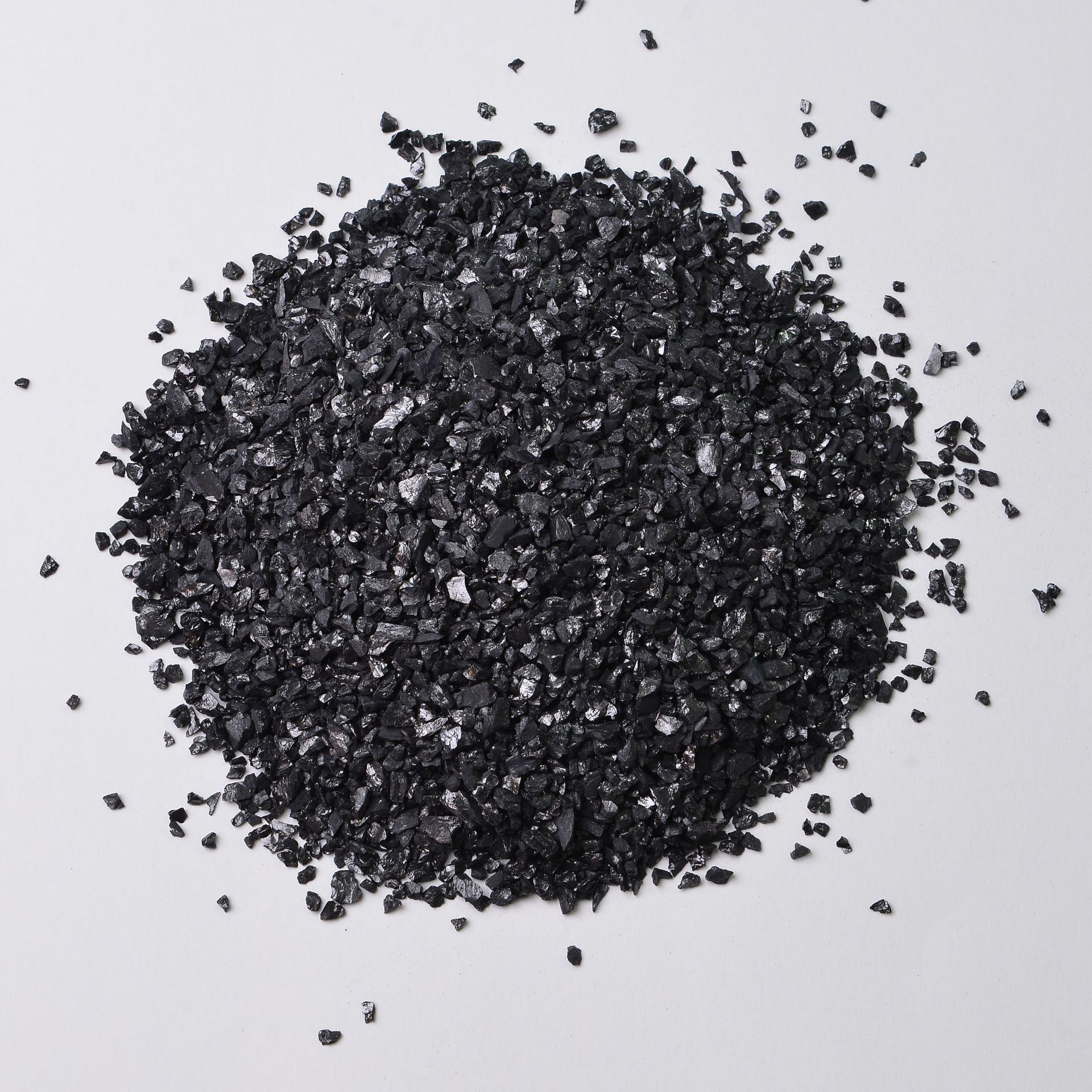
Understanding Anthracite Filter Media in Wastewater Treatment
Anthracite filter media is a hard, dense coal-based material widely used in water filtration systems due to its excellent mechanical strength and chemical stability. In wastewater treatment applications, anthracite serves as an effective filtration layer that removes suspended solids, organic matter, and other contaminants from water streams. Its unique properties make it particularly suitable for both primary and secondary filtration stages in municipal and industrial wastewater treatment plants.
The effectiveness of anthracite filter media stems from its physical characteristics: high porosity, large surface area, and angular shape that creates optimal void spaces for particle interception. When properly selected and maintained, anthracite filters can achieve high filtration rates while maintaining low head loss, resulting in energy-efficient operation and extended service life.
Key Selection Criteria for Anthracite Filter Media
Choosing the right anthracite filter media requires careful evaluation of several critical parameters that directly impact filtration performance and operational costs. At Murong Trading, we recommend considering the following factors when making your selection:
1. Particle Size Distribution
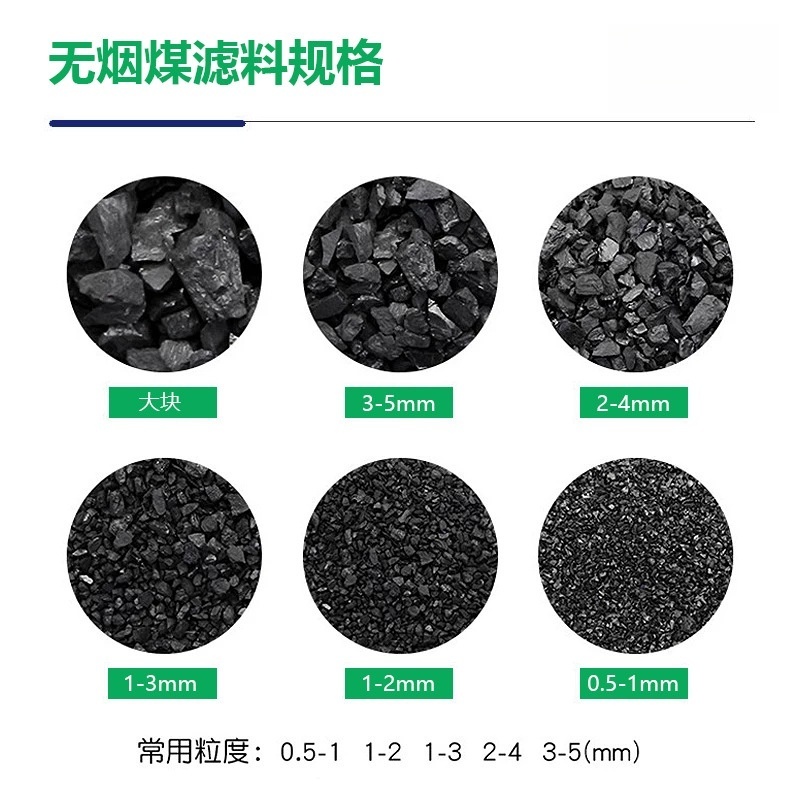
The particle size range significantly affects filtration efficiency and backwash requirements. Effective anthracite media typically features a uniform size distribution within the 0.4-1.6mm range, with most applications using a blend of sizes to optimize filtration performance. Fine particles improve initial filtration but may require more frequent backwashing, while coarser particles enhance flow rates but may reduce filtration precision.
2. Hardness and Durability
Mechanical strength is essential for withstanding repeated backwashing cycles without excessive attrition. High-quality anthracite should have a Mohs hardness of 3.0-3.5 and an acid solubility of less than 2% to ensure long-term performance in demanding wastewater treatment environments. Our products undergo rigorous quality testing to meet these durability standards.
3. Purity and Chemical Composition
Contaminant-free anthracite is vital for preventing secondary pollution in treated water. Reputable suppliers provide media with low ash content (typically less than 10%) and minimal heavy metal contamination. Our quality control processes ensure that our anthracite meets international standards for drinking water applications when required.
4. Specific Gravity
The density of anthracite (typically 1.5-1.7 g/cm³) affects its settling characteristics during backwashing and influences the design of filtration systems. Proper density ensures effective media expansion during cleaning cycles while maintaining stable filtration beds during operation.
Top Suppliers of High-Quality Anthracite Filter Media
When sourcing anthracite filter media for wastewater treatment, partnering with reliable suppliers is essential to ensure consistent quality and supply chain stability. Based on our industry expertise and customer feedback, we recommend considering the following factors when evaluating potential suppliers:
- Production Standards: Look for suppliers who adhere to international quality standards such as ISO 9001 and have their products tested by accredited laboratories.
- Mining Sources: Reputable suppliers source anthracite from established mines with consistent quality and reliable supply capabilities.
- Processing Capabilities: Advanced processing facilities ensure uniform particle size distribution and proper cleaning to remove impurities.
- Technical Support: Choose suppliers who provide comprehensive technical support, including application guidance and troubleshooting assistance.
- Global Logistics:
For international projects, select suppliers with experience in global shipping and customs clearance procedures.
As a specialized international trader in water treatment materials, Murong Trading has established partnerships with leading anthracite producers worldwide. We maintain strict quality control throughout the supply chain to deliver consistent, high-performance anthracite filter media to our global clients.
| Parameter | Typical Range | Importance |
|---|---|---|
| Particle Size (mm) | 0.4-1.6 | Affects filtration efficiency and backwash frequency |
| Hardness (Mohs) | 3.0-3.5 | Determines durability under backwash conditions |
| Specific Gravity (g/cm³) | 1.5-1.7 | Influences bed expansion and settling characteristics |
| Acid Solubility (%) | < 2 | Indicates chemical stability and purity |
| Ash Content (%) | < 10 | Affects potential for secondary contamination |
Application Benefits of Anthracite Filter Media in Wastewater Treatment
Properly selected anthracite filter media offers several advantages for wastewater treatment systems:
1. Enhanced Filtration Performance
The multi-layer filtration capability of anthracite effectively removes suspended solids, turbidity, and organic matter from wastewater streams. When used in dual-media or multi-media filters with sand or garnet, anthracite provides superior filtration performance compared to single-media systems.
2. Extended Service Life
High mechanical strength and chemical resistance enable anthracite filters to operate effectively for extended periods between media replacement or regeneration. This reduces operational costs and maintenance requirements for wastewater treatment plants.
3. Energy Efficiency
The optimal particle size distribution and specific gravity of anthracite contribute to lower head loss during filtration and more efficient backwashing cycles. This results in reduced energy consumption for pumping and backwash operations.
4. Versatility Across Applications
Anthracite filter media proves effective in various wastewater treatment scenarios, including municipal sewage treatment, industrial effluent processing, and tertiary treatment for water reuse applications. Its adaptability makes it suitable for both new installations and system upgrades.
FAQ
What makes anthracite filter media suitable for wastewater treatment applications?
Anthracite’s hardness, chemical stability, and optimal particle size distribution make it ideal for wastewater treatment. Its angular shape creates void spaces that effectively trap particles while allowing water to pass through, and its durability ensures long service life under demanding conditions.
How does anthracite compare to other filtration media like sand or activated carbon?
Anthracite offers better filtration efficiency than sand due to its larger surface area and irregular shape, while being more cost-effective than activated carbon for general suspended solids removal. It’s often used in combination with these media in multi-media filters for optimal performance.
What are the typical particle size ranges for wastewater treatment anthracite?
Effective ranges typically fall between 0.4-1.6mm, with specific applications requiring different distributions. Coarser grades (0.8-1.6mm) are used for rapid filtration, while finer grades (0.4-0.8mm) provide higher filtration precision but require more frequent backwashing.
How often should anthracite filter media be replaced in wastewater treatment systems?
Replacement frequency depends on water quality, filtration load, and maintenance practices. With proper backwashing and periodic cleaning, high-quality anthracite can last 5-10 years in municipal applications and 3-5 years in industrial settings before requiring replacement.
What quality standards should I look for when selecting anthracite suppliers?
Reputable suppliers should provide anthracite that meets AWWA B100 standards for water treatment applications. Look for products with consistent particle size distribution, low ash content (<10%), and acid solubility <2% to ensure optimal performance and longevity.
Summary
Selecting the right anthracite filter media for wastewater treatment requires careful consideration of particle size distribution, mechanical properties, chemical composition, and supplier reliability. By understanding these key factors and their impact on filtration performance, you can make informed decisions that optimize your wastewater treatment system’s efficiency and cost-effectiveness. As a specialized international trader in water treatment materials, Murong (Shanghai) International Trading Co., Ltd. offers high-quality anthracite filter media sourced from reputable producers worldwide. Our technical experts are available to provide personalized guidance on selecting the optimal anthracite media for your specific wastewater treatment requirements, ensuring you achieve the best possible filtration results.