
When it comes to industrial water treatment and purification processes, coconut shell activated carbon stands out as one of the most effective and widely used materials. Its superior adsorption capacity makes it ideal for removing impurities, odors, and contaminants from water and air. However, for businesses looking to purchase this material in bulk, understanding the pricing dynamics and finding a reliable supplier can be challenging. This comprehensive guide explores the factors influencing coconut shell activated carbon price per ton, highlights key considerations when selecting a supplier, and provides insights into its industrial applications.
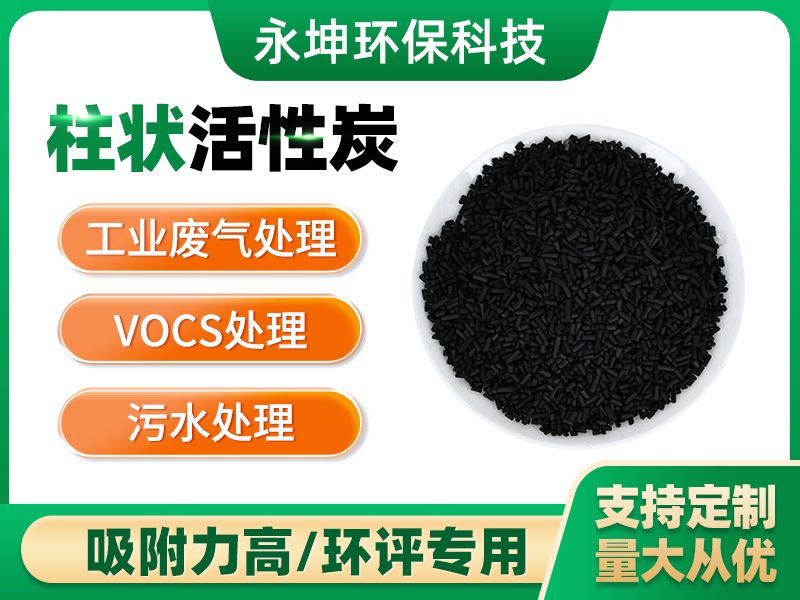
Understanding Coconut Shell Activated Carbon Pricing
The price of coconut shell activated carbon per ton varies significantly based on several factors. The primary determinant is the quality of the raw material – premium coconut shells from specific regions produce higher-grade activated carbon with better adsorption properties. Processing methods also play a crucial role; advanced activation techniques that create more porous structures typically result in more expensive products.
Market demand and supply dynamics significantly influence pricing. During periods of high industrial activity or environmental regulations tightening, prices may rise due to increased demand. Conversely, during economic downturns or when new production facilities come online, prices may become more competitive. The purity level required for specific applications also affects cost – higher purity grades command premium prices.
Transportation costs from manufacturing facilities to end-users contribute to the final price, especially for international shipments. Packaging requirements, whether bulk bags or smaller containers, also impact pricing structures. Businesses should consider these factors when evaluating supplier quotes to ensure they’re comparing apples-to-apples.
Key Factors Affecting Coconut Shell Activated Carbon Quality
The effectiveness of coconut shell activated carbon depends on several quality parameters. Iodine number, which measures adsorption capacity, typically ranges from 800 to 1,200 mg/g for high-quality products. Surface area, measured in square meters per gram (m²/g), is another critical indicator – premium grades often exceed 1,000 m²/g.
Particle size distribution affects both performance and application suitability. Finer particles offer greater surface area exposure but may require specialized handling equipment. Ash content, representing inorganic impurities, should be minimized for optimal performance, with high-quality products maintaining levels below 3%. Moisture content also matters, as excessive moisture reduces adsorption capacity and increases transportation costs.
Certifications and Standards Compliance
Reputable suppliers provide products that meet international standards such as ASTM, AWWA, or NSF/ANSI certifications. These certifications ensure the material meets specific quality and safety requirements for various applications. Businesses should verify these credentials when evaluating potential suppliers to ensure product reliability and regulatory compliance.
How to Choose a Reliable Coconut Shell Activated Carbon Supplier
Selecting the right supplier goes beyond simply comparing prices. A reliable partner should demonstrate consistent product quality through certified laboratory reports for each batch. Look for suppliers with established quality management systems like ISO 9001 certification, which indicates rigorous production controls and testing procedures.
Production capacity and inventory management capabilities are crucial, especially for businesses with regular, large-volume requirements. A supplier with multiple manufacturing facilities or strategic stocking locations can ensure reliable supply even during periods of high demand. Technical support services also differentiate suppliers – those offering application guidance and troubleshooting assistance add significant value.
Environmental responsibility is becoming increasingly important in supplier selection. Companies that implement sustainable sourcing practices for coconut shells and employ eco-friendly production processes demonstrate corporate social responsibility. This aligns with many businesses’ sustainability goals and can enhance their own environmental credentials.
Case Study: Large-Scale Water Treatment Implementation
A municipal water treatment facility in Southeast Asia recently upgraded its filtration system using premium coconut shell activated carbon. The project required consistent supply of 50 tons per month for two years. By partnering with a supplier offering guaranteed quality specifications, just-in-time delivery, and technical support for system optimization, the facility achieved 98% removal efficiency for organic contaminants while reducing chemical usage by 30%.
| Parameter | Specification | Impact |
|---|---|---|
| Iodine Number | 1,050 mg/g | High adsorption capacity |
| Surface Area | 1,150 m²/g | Effective contaminant removal |
| Particle Size | 12×40 mesh | Optimal flow rate |
| Ash Content | 2.5% | Minimal inorganic interference |
FAQ
What determines the price of coconut shell activated carbon per ton?
The price depends on raw material quality, activation process complexity, purity requirements, particle size distribution, and market supply-demand dynamics. Premium grades with higher iodine numbers and surface areas typically cost more due to superior performance characteristics.
How can I verify the quality of coconut shell activated carbon before purchasing?
Request certified laboratory reports showing key parameters like iodine number, surface area, ash content, and moisture level. Reputable suppliers provide batch-specific certificates of analysis demonstrating compliance with relevant standards.
What industries use coconut shell activated carbon most frequently?
The water treatment industry uses it extensively for purifying drinking water and wastewater. Other major applications include air purification, gold recovery, food and beverage processing, pharmaceutical manufacturing, and industrial chemical purification.
How does coconut shell activated carbon compare to other types?
Compared to coal-based or wood-based activated carbon, coconut shell variants offer superior hardness, better resistance to attrition, and higher micro-porosity for adsorbing smaller molecules. This makes them particularly effective for removing volatile organic compounds and chlorine.
What storage conditions are required for coconut shell activated carbon?
Store in a cool, dry place away from direct sunlight and moisture. Keep containers sealed when not in use to prevent moisture absorption, which reduces adsorption capacity. Proper storage maintains product effectiveness for up to 2 years.
Can coconut shell activated carbon be regenerated?
Yes, thermal regeneration can restore up to 90% of original adsorption capacity. However, regeneration requires specialized equipment and processes, making it more economical for large-scale users. Most small to medium businesses purchase new material for consistency.
What certifications should I look for in a supplier?
Essential certifications include ISO 9001 (quality management), ISO 14001 (environmental management), and product-specific certifications like NSF/ANSI 61 for drinking water applications. These demonstrate adherence to international quality and safety standards.
How does particle size affect performance?
Smaller particles offer greater surface area exposure but may cause higher pressure drops in filtration systems. Larger particles allow better flow rates but may not remove smaller contaminants effectively. The optimal size depends on specific application requirements.
What is the typical lead time for large orders?
Lead times vary by supplier capacity and current inventory levels. Established suppliers with multiple production facilities can typically fulfill 50+ ton orders within 4-6 weeks, while smaller suppliers may require 8-12 weeks for custom production runs.
Can suppliers provide customized specifications?
Many leading suppliers offer customization options for particle size distribution, packaging formats, and specific purity levels. However, custom orders may have higher minimum quantities and longer lead times compared to standard products.
Summary
Determining the right coconut shell activated carbon price per ton requires evaluating multiple quality factors beyond just the cost. Businesses should prioritize suppliers offering consistent quality through certified testing, reliable supply through adequate production capacity, and value-added services like technical support. By understanding the key performance indicators and application requirements, companies can make informed purchasing decisions that balance cost-effectiveness with operational efficiency. Partnering with a reputable supplier ensures not only competitive pricing but also product reliability that supports long-term water treatment and purification goals.