
In the realm of industrial water treatment, selecting the right chemicals is crucial for achieving optimal performance and cost-efficiency. Polyacrylamide, a versatile polymer, plays a vital role in various water treatment processes. However, with different types available – including cationic and non-ionic variants – choosing the appropriate product can be challenging. This comprehensive guide provides professional insights to help you make informed decisions when selecting polyacrylamide for your industrial applications.
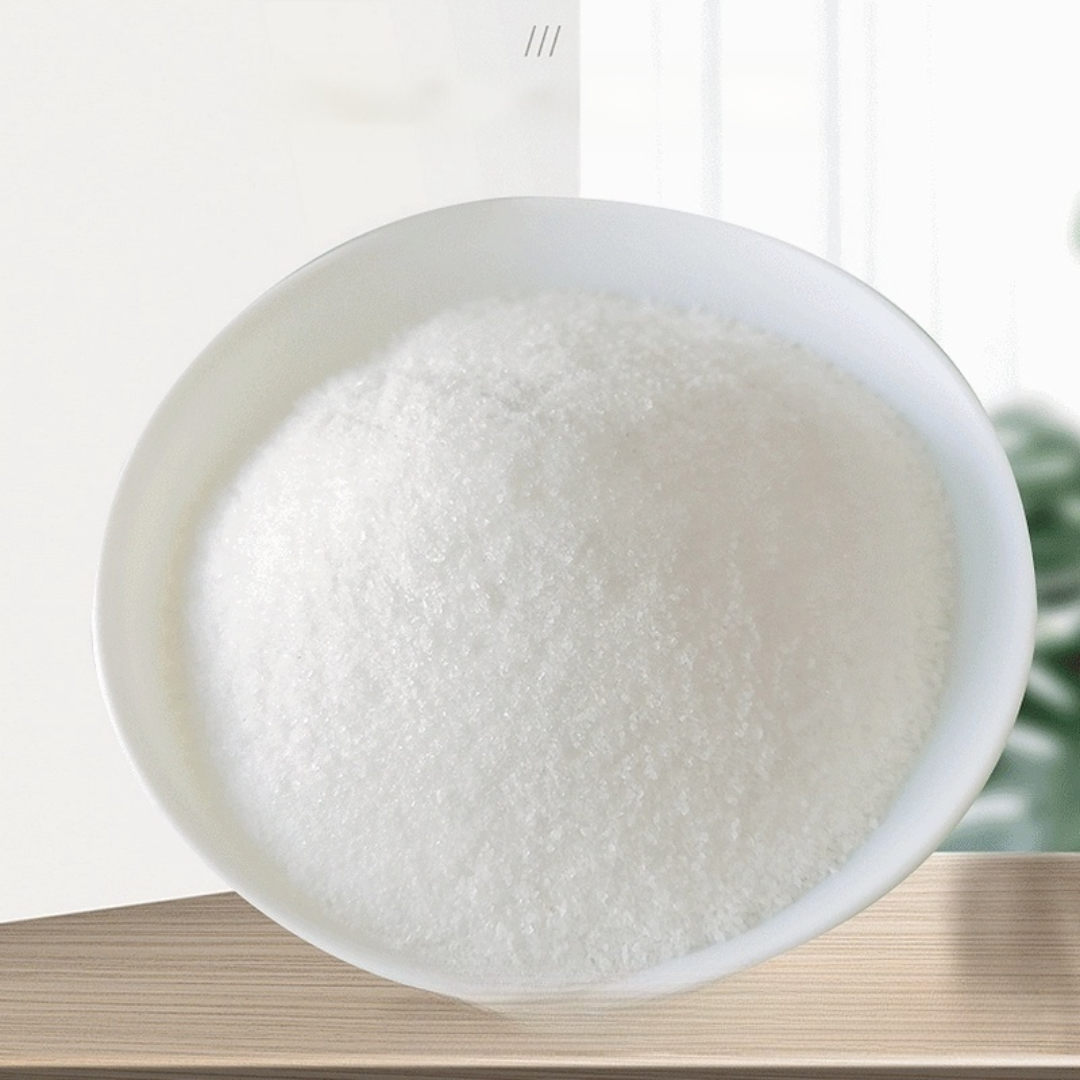
Understanding Polyacrylamide Types and Applications
Polyacrylamide (PAM) exists in several forms, each designed for specific water treatment applications. The two primary types are cationic and non-ionic polyacrylamide, each with distinct characteristics and uses in industrial processes.
Cationic polyacrylamide carries a positive charge, making it highly effective for treating water containing negatively charged particles. This includes applications like:
- Sludge dewatering in wastewater treatment plants
- Paper manufacturing processes
- Textile industry effluent treatment
- Mining and mineral processing
Non-ionic polyacrylamide, lacking electrical charge, serves different purposes:
- Clarification of drinking water
- Suspended solids removal in industrial processes
- Soil stabilization in construction projects
- Enhanced oil recovery in petroleum applications
Understanding these fundamental differences is the first step in selecting the appropriate polyacrylamide for your specific water treatment needs.
Key Selection Criteria for Cationic Polyacrylamide
When choosing cationic polyacrylamide, several critical factors must be considered to ensure optimal performance and cost-effectiveness in your industrial applications.
1. Molecular Weight Considerations
The molecular weight of cationic polyacrylamide significantly impacts its performance. Higher molecular weight products typically provide better flocculation but may be more challenging to dissolve. Lower molecular weight variants dissolve more easily but may require higher dosages for equivalent performance.
For most industrial applications, medium to high molecular weight cationic polyacrylamide (5-15 million Daltons) offers the best balance between performance and handling characteristics. However, specific requirements may vary based on your water treatment process and equipment.
2. Charge Density Importance
Charge density, expressed as a percentage of cationic groups, is another crucial parameter. Higher charge density products are more effective at binding negatively charged particles but may be more sensitive to water chemistry variations.
Typical charge densities range from 10% to 60%, with 20-40% being common for most industrial applications. The optimal charge density depends on the nature of suspended solids in your water and the presence of other chemicals in the treatment process.
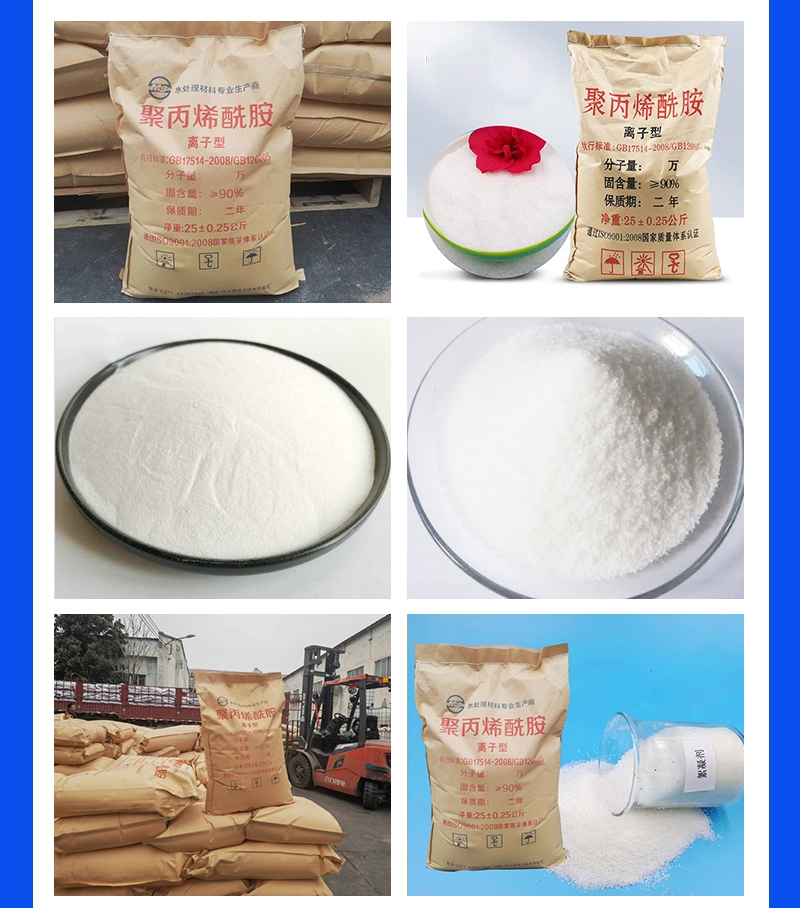
3. Product Purity and Stability
The purity of cationic polyacrylamide affects both its performance and the potential for unwanted side reactions. High-purity products minimize the introduction of impurities into your water treatment system.
Stability is equally important, particularly for products stored for extended periods. Look for suppliers who provide clear storage guidelines and guarantee product stability over time to ensure consistent performance.
Non-Ionic Polyacrylamide: Selection and Application Guide
While cationic polyacrylamide dominates certain industrial applications, non-ionic variants play crucial roles in other water treatment scenarios. Understanding their selection criteria is equally important for comprehensive water management strategies.
1. Molecular Weight and Viscosity
Similar to cationic types, molecular weight affects the performance of non-ionic polyacrylamide. Higher molecular weight products create larger floc particles but may be more challenging to handle. The viscosity of the solution is directly related to molecular weight and concentration, influencing both application and performance.
For most non-ionic applications, molecular weights between 3-10 million Daltons provide a good balance between flocculation efficiency and handling properties. However, specific requirements may vary based on your process conditions.
2. Application-Specific Formulations
Non-ionic polyacrylamide often comes in specialized formulations designed for specific applications:
| Application | Recommended Formulation |
|---|---|
| Drinking water clarification | Low molecular weight, high purity |
| Industrial wastewater treatment | Medium molecular weight, standard purity |
| Soil stabilization | High molecular weight, cross-linked variants |
3. Compatibility with Other Chemicals
In many water treatment processes, non-ionic polyacrylamide is used in conjunction with other chemicals. Compatibility with coagulants, disinfectants, and pH adjustment agents is crucial to prevent unwanted reactions that could reduce treatment efficiency or create byproducts.
Always consult with your supplier about potential interactions when designing your water treatment chemical program, especially when introducing new products or modifying existing processes.
Professional Selection Guidance from Industry Experts
Navigating the complexities of polyacrylamide selection requires more than just understanding technical specifications. Partnering with experienced suppliers who offer professional guidance can significantly enhance your selection process and treatment outcomes.
1. Comprehensive Water Analysis Services
Reputable suppliers like Murong International offer detailed water analysis services to determine the exact requirements for your specific application. This analysis considers factors such as:
- Suspended solids content and characteristics
- Water pH and alkalinity
- Presence of interfering substances
- Temperature variations
- Process flow rates and retention times
2. Customized Product Recommendations
Based on comprehensive water analysis, professional suppliers can recommend the most suitable polyacrylamide products for your needs. This includes:
- Optimal molecular weight and charge density
- Appropriate product form (powder, emulsion, or solution)
- Recommended dosage rates and feeding methods
- Compatibility with existing equipment and processes
3. Ongoing Technical Support
The selection process doesn’t end with product delivery. Look for suppliers who offer ongoing technical support to help you:
- Optimize dosage rates for changing conditions
- Troubleshoot any performance issues
- Stay informed about new product developments
- Implement process improvements over time
FAQ
What are the main differences between cationic and non-ionic polyacrylamide?
Cationic polyacrylamide carries a positive charge, making it effective for treating water with negatively charged particles, while non-ionic polyacrylamide lacks electrical charge and works well for neutral particles. The choice depends on your specific water treatment needs and the nature of suspended solids in your water.
How do I determine the right molecular weight for my application?
The optimal molecular weight depends on your specific application. Higher molecular weights generally provide better flocculation but may be harder to dissolve. Medium to high molecular weights (5-15 million Daltons) work well for most industrial applications. Your supplier can recommend the best option based on your process requirements.
What factors affect the dosage rate of polyacrylamide?
Several factors influence dosage rates, including water quality, suspended solids content, water temperature, and the specific polyacrylamide product used. Professional suppliers typically provide recommended dosage ranges based on comprehensive water analysis and pilot testing.
Can I use cationic and non-ionic polyacrylamide together?
Yes, in some applications, combining both types can enhance treatment performance. This approach is often used in complex wastewater treatment scenarios where different types of suspended solids need to be removed. However, proper dosage and application methods are crucial to avoid interference between the products.
How should I store polyacrylamide to maintain its effectiveness?
Store polyacrylamide in a cool, dry place away from direct sunlight and moisture. Keep containers tightly sealed when not in use. Follow your supplier’s specific storage instructions, as some products may have additional requirements to maintain stability over time.
What safety precautions should I take when handling polyacrylamide?
While polyacrylamide itself is generally considered safe, dust from powdered products can be irritating. Use appropriate personal protective equipment (PPE) including gloves, goggles, and dust masks when handling. Follow all safety guidelines provided by your supplier and local regulations.
How often should I review my polyacrylamide selection?
Regular review is recommended, especially if you notice changes in water quality or treatment performance. Many facilities review their chemical selection annually or when making significant process changes. Your supplier can help determine the optimal review frequency for your specific situation.
What should I do if I experience reduced treatment performance?
First, verify that you’re following the recommended dosage and application methods. Check for changes in water quality or process conditions that might affect performance. Contact your supplier’s technical support team for assistance in diagnosing and resolving performance issues.
Are there environmental considerations when using polyacrylamide?
Yes, proper handling and disposal are important. While polyacrylamide itself is generally considered environmentally friendly, some formulations may contain residual monomers or other additives that require careful management. Follow all local environmental regulations and your supplier’s guidelines for environmentally responsible use.
Where can I get professional guidance for selecting polyacrylamide?
Reputable suppliers like Murong International offer comprehensive selection guidance based on your specific needs. Look for suppliers with experience in your industry who can provide water analysis services, customized recommendations, and ongoing technical support.
Summary
Selecting the right polyacrylamide for your industrial water treatment needs requires careful consideration of multiple factors, including molecular weight, charge density, application requirements, and process conditions. By understanding the differences between cationic and non-ionic variants and working with experienced suppliers who offer professional guidance, you can optimize your water treatment processes for both performance and cost-efficiency.
Murong International, with its deep industry expertise and commitment to customer service, stands ready to assist you in navigating the complexities of polyacrylamide selection. Our comprehensive approach includes detailed water analysis, customized product recommendations, and ongoing technical support to ensure your water treatment system operates at peak efficiency.