
When it comes to industrial water treatment, coconut shell activated carbon stands out as a premium choice due to its superior adsorption capacity and environmental friendliness. For businesses looking to purchase in bulk, understanding the pricing dynamics is crucial. This comprehensive guide explores the cost of coconut shell activated carbon per ton, factors influencing pricing, and tips for selecting the right supplier.
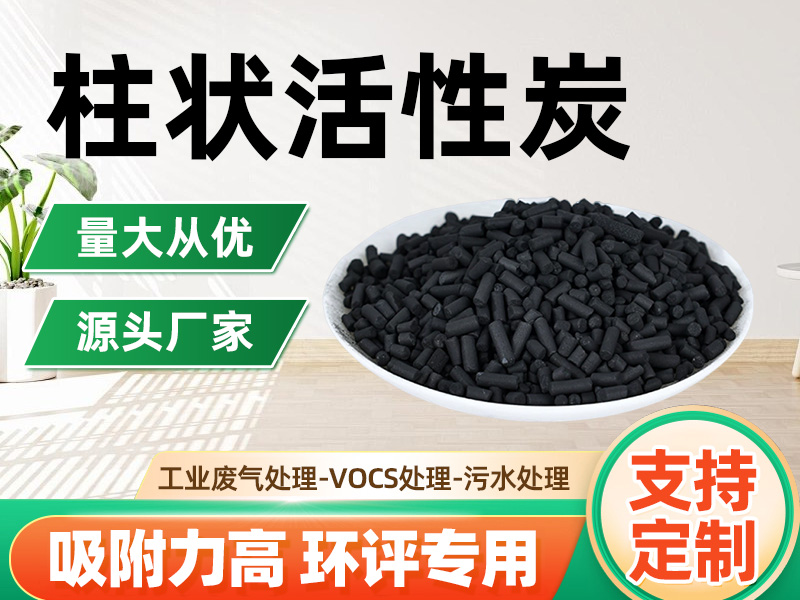
Understanding Coconut Shell Activated Carbon Pricing
The price of coconut shell activated carbon per ton typically ranges between $1,200 to $2,500 USD, depending on several key factors. This pricing variation reflects differences in quality, production processes, and market conditions. As a premium product in the activated carbon family, coconut shell-based variants command higher prices compared to coal-based or wood-based alternatives due to their superior pore structure and purity.
Murong (Shanghai) International Trading Co., Ltd., a leading supplier based in Shanghai, offers competitive pricing for coconut shell activated carbon while maintaining stringent quality standards. Their pricing reflects the company’s commitment to providing cost-effective solutions without compromising on product performance.
Factors Influencing Coconut Shell Activated Carbon Cost
Several elements contribute to the final pricing of coconut shell activated carbon:
1. Raw Material Quality
The quality of coconut shells used as raw material significantly impacts the final product’s effectiveness and price. High-quality, sustainably sourced coconut shells produce activated carbon with better adsorption properties and longer service life.
2. Activation Process
The activation method (steam or chemical) affects both production costs and product characteristics. Steam activation, while more expensive, produces higher-quality carbon with better purity and environmental compatibility.
3. Purity Level
The ash content and purity of the final product influence pricing. Lower ash content (typically below 3%) indicates higher purity and better performance, commanding premium prices.
4. Particle Size Distribution
Different applications require specific particle sizes. Customized granulation adds to production costs but ensures optimal performance for specialized applications.
5. Market Demand
Global demand for coconut shell activated carbon, particularly in water treatment and air purification industries, affects pricing. Increased demand often leads to higher prices.
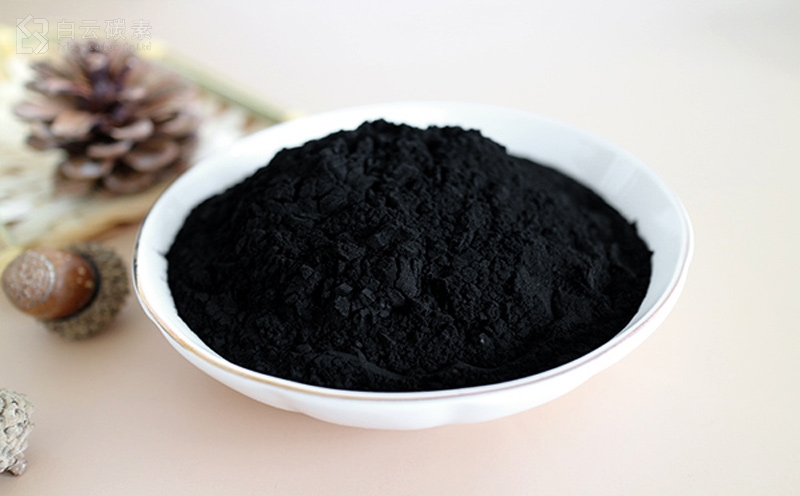
Comparing Coconut Shell Activated Carbon with Alternatives
When evaluating pricing, it’s essential to consider how coconut shell activated carbon compares to other types:
| Feature | Coconut Shell | Coal-Based | Wood-Based |
|---|---|---|---|
| Pore Structure | Microporous (ideal for small molecules) | Mixed meso/microporous | Primarily microporous |
| Hardness | Very high | High | Low to medium |
| Ash Content | Low (2-5%) | High (8-15%) | Low (1-3%) |
| Price Range (per ton) | $1,200-$2,500 | $800-$1,800 | $1,000-$2,200 |
While coconut shell activated carbon may appear more expensive initially, its superior performance, longer service life, and lower maintenance requirements often make it more cost-effective in the long run, particularly for demanding industrial applications.
How to Choose the Right Coconut Shell Activated Carbon Supplier
Selecting a reliable supplier is as important as understanding pricing. Consider these factors when evaluating potential partners:
- Quality Certifications: Look for suppliers with ISO certifications and product-specific certifications like NSF/ANSI 61 for drinking water applications.
- Production Capacity: Ensure the supplier can meet your volume requirements without compromising quality.
- Technical Support: Choose a supplier offering comprehensive technical support for product selection and application guidance.
- Logistics Capabilities: Verify their ability to handle international shipping efficiently and cost-effectively.
- Sustainability Practices: Consider suppliers committed to environmentally responsible sourcing and production methods.
Murong (Shanghai) International Trading Co., Ltd. excels in all these areas, offering high-quality coconut shell activated carbon backed by excellent customer service and global logistics expertise. Their modern production facilities and professional team ensure consistent product quality and reliable supply.
FAQ
What factors determine the final price of coconut shell activated carbon per ton?
The final price depends on raw material quality, activation process, purity level, particle size distribution, and current market demand. Higher quality materials and production methods typically result in higher prices but offer better performance and longer service life.
How does coconut shell activated carbon compare to coal-based activated carbon in terms of cost?
Coconut shell activated carbon generally costs 20-40% more than coal-based alternatives. However, its superior pore structure, lower ash content, and higher purity make it more effective for many applications, often justifying the higher initial cost through better performance and longer lifespan.
Can I negotiate bulk purchase prices for coconut shell activated carbon?
Yes, most suppliers offer volume discounts for large orders. Murong (Shanghai) International Trading provides competitive pricing for bulk purchases while maintaining consistent product quality across all order sizes.
What is the typical service life of coconut shell activated carbon in industrial applications?
The service life varies based on application and operating conditions but generally ranges from 1 to 5 years. Factors affecting lifespan include contaminant load, flow rate, temperature, and regeneration frequency. Coconut shell activated carbon typically lasts longer than coal-based alternatives in most applications.
How does transportation cost affect the total price when importing coconut shell activated carbon?
Transportation costs depend on order volume, shipping distance, and chosen transportation method (sea, air, or land). Bulk sea freight is usually the most cost-effective for large orders. Murong (Shanghai) offers competitive international shipping rates and can help optimize logistics to minimize costs.
Are there any additional costs besides the per-ton price I should consider?
Potential additional costs include shipping, customs duties, storage fees, and any required certification costs for specific applications. Some suppliers may also charge for technical support or customization services.
What payment terms are common when purchasing coconut shell activated carbon internationally?
Common payment terms include letters of credit (LC), telegraphic transfer (TT), and payment against documents. Murong (Shanghai) offers flexible payment options to accommodate different customer needs and minimize financial risk for buyers.
How can I verify the quality of coconut shell activated carbon before making a large purchase?
Request product samples for testing, ask for detailed specifications and certification documents, and consider visiting the production facility if possible. Reputable suppliers like Murong (Shanghai) provide comprehensive quality documentation and support sample testing.
Does the origin of coconut shells affect the quality and price of activated carbon?
While coconut shells from different regions may have slight variations, the activation process has a more significant impact on final quality. The most important factor is using mature, high-quality coconut shells regardless of origin. Murong (Shanghai) sources premium coconut shells to ensure consistent product quality.
What is the minimum order quantity (MOQ) for coconut shell activated carbon purchases?
MOQs vary by supplier but typically range from 1 to 5 metric tons. Murong (Shanghai) offers flexible ordering options to accommodate both small and large buyers, with competitive pricing available for all order sizes.
Summary
Understanding the cost of coconut shell activated carbon per ton requires considering multiple factors beyond just the base price. While typically priced between $1,200 to $2,500 USD per ton, the superior performance, longer service life, and environmental benefits often make it the most cost-effective choice for demanding industrial water treatment applications. When selecting a supplier, prioritize quality, reliability, and technical support alongside competitive pricing. Murong (Shanghai) International Trading Co., Ltd. stands out as a trusted partner offering high-quality coconut shell activated carbon, competitive pricing, and comprehensive support for global customers.