
In the global industrial water treatment market, cationic polyacrylamide has become an essential chemical for various applications including wastewater treatment, sludge dewatering, and paper manufacturing. As businesses worldwide seek reliable suppliers for this critical chemical, understanding the selection criteria and comparing top manufacturers becomes increasingly important. This comprehensive guide provides valuable insights into choosing the best cationic polyacrylamide supplier while examining the landscape of top manufacturers in the industry.
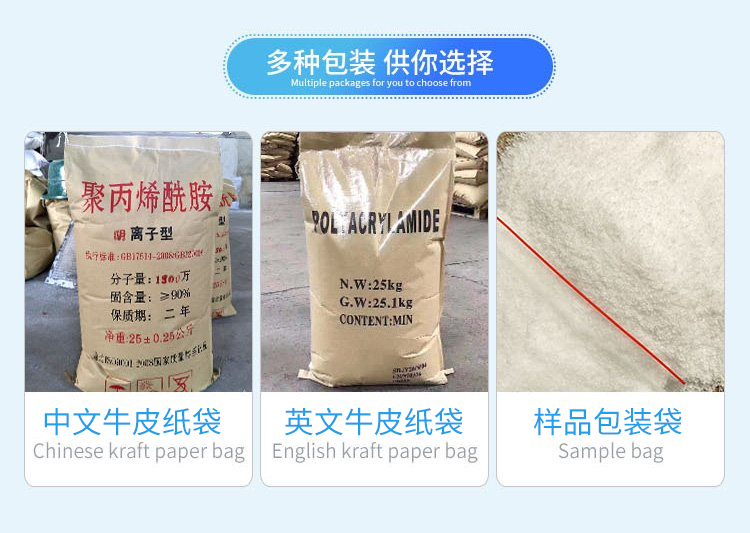
Understanding Cationic Polyacrylamide and Its Applications
Cationic polyacrylamide (CPAM) is a water-soluble polymer with positive charges that makes it particularly effective for treating water containing negatively charged particles. Its primary applications include:
- Wastewater treatment: CPAM acts as a flocculant, helping suspended particles clump together for easier removal
- Sludge dewatering: The chemical improves the dewatering efficiency of sludge in municipal and industrial treatment plants
- Paper manufacturing: CPAM serves as a retention aid and dry strength agent in paper production
- Textile industry: Used in dyeing and finishing processes to improve fabric quality
- Oil recovery: Enhances oil recovery rates in tertiary oil extraction methods
The effectiveness of CPAM in these applications depends on its molecular weight, charge density, and purity. These factors vary among manufacturers and directly impact the chemical’s performance in different industrial processes.
Key Criteria for Selecting a Cationic Polyacrylamide Supplier
Choosing the right supplier involves evaluating several critical factors that ensure product quality, reliability, and cost-effectiveness. The following criteria should guide your selection process:
1. Product Quality and Certification
The most important consideration is the quality of the cationic polyacrylamide offered. Look for suppliers who provide detailed product specifications including molecular weight range (typically 5-25 million Daltons), charge density (5-60%), and residual monomer content (should be less than 0.05%). Reputable manufacturers should hold certifications such as ISO 9001 for quality management and ISO 14001 for environmental management.
2. Manufacturing Capabilities
Evaluate the supplier’s production capacity to ensure they can meet your volume requirements consistently. Modern manufacturing facilities with advanced polymerization reactors and drying equipment typically produce higher quality products with better batch consistency. Ask about their production processes and quality control measures at each stage.
3. Technical Support and Application Expertise
A supplier with strong technical support can help optimize CPAM usage for your specific application. Look for companies that offer on-site testing, dosage recommendations, and process optimization services. This expertise becomes particularly valuable when dealing with complex wastewater compositions or challenging dewatering applications.
4. Supply Chain Reliability
For businesses with continuous operations, supply chain reliability is crucial. Evaluate the supplier’s inventory management practices, lead times, and contingency plans for unexpected demand surges or production disruptions. A supplier with multiple production facilities or strategic stocking locations can offer better supply security.
5. Pricing Structure and Value
While price is important, it should be considered alongside the total value offered. Compare not just the per-kilogram price but also factors like packaging options, minimum order quantities, freight costs, and payment terms. Some suppliers may offer volume discounts or flexible payment arrangements that improve your overall cost position.
Comparing Top Cationic Polyacrylamide Manufacturers
Several global manufacturers have established strong reputations in the cationic polyacrylamide market. Here’s a comparison of some leading suppliers based on the selection criteria mentioned above:
| Supplier | Production Capacity | Certifications | Technical Support |
|---|---|---|---|
| SNF Floerger | 1,200,000 MT/year | ISO 9001, ISO 14001, OHSAS 18001 | Global network of application labs |
| Kemira | 800,000 MT/year | ISO 9001, ISO 14001, Responsible Care | Dedicated water treatment specialists |
| Ashland | 500,000 MT/year | ISO 9001, ISO 14001 | Regional technical centers |
| Murong Trading | 120,000 MT/year | ISO 9001, SGS certification | Multilingual technical team |
While global giants dominate the market, regional suppliers like Murong Trading (Shanghai) International Trade Co., Ltd. offer competitive advantages for certain buyers. These include more personalized service, faster response times, and often more flexible terms for smaller to medium-sized businesses.
The Role of Regional Suppliers in Global Markets
Regional suppliers play an important role in the cationic polyacrylamide market, particularly for businesses looking for a balance between quality and cost. These suppliers often:
- Offer more competitive pricing for smaller order quantities
- Provide faster delivery times due to proximity to major markets
- Maintain flexible inventory levels to accommodate urgent requests
- Offer customized solutions for specific regional water quality challenges
- Provide multilingual support for international clients
For example, Murong Trading has established itself as a reliable supplier in Asia-Pacific markets by combining competitive pricing with strong technical support. The company’s Shanghai-based operations allow for efficient logistics to major industrial centers across the region while maintaining stringent quality control standards.
FAQ
What factors determine the quality of cationic polyacrylamide?
The quality of cationic polyacrylamide depends on three main factors: molecular weight (typically 5-25 million Daltons), charge density (5-60%), and residual monomer content (should be less than 0.05%). Reputable suppliers provide detailed specifications for these parameters and hold certifications like ISO 9001 for quality management.
How can I verify a supplier’s production capabilities?
To verify production capabilities, ask for information about their manufacturing facilities, annual production capacity, and quality control processes. Reputable suppliers should be transparent about their production methods and willing to provide facility tours (either in-person or virtually) or detailed documentation about their processes.
What technical support should I expect from a CPAM supplier?
A good supplier should offer comprehensive technical support including on-site testing to determine optimal dosage, application recommendations for your specific process, and troubleshooting assistance. Some suppliers maintain application laboratories where they can test your water samples to recommend the most effective product formulation.
How does pricing vary among different suppliers?
Pricing varies based on several factors including production scale, product quality, packaging options, and minimum order quantities. While global manufacturers may offer competitive pricing for large orders, regional suppliers often provide better value for smaller to medium-sized orders through lower minimum quantities and more flexible terms.
What certifications should I look for in a CPAM supplier?
Important certifications include ISO 9001 for quality management systems, ISO 14001 for environmental management, and industry-specific certifications like Responsible Care for chemical manufacturers. These certifications indicate that the supplier follows internationally recognized standards for quality and safety.
Summary
Selecting the right cationic polyacrylamide supplier requires careful evaluation of multiple factors including product quality, manufacturing capabilities, technical support, and pricing structure. While global manufacturers offer scale and comprehensive solutions, regional suppliers like Murong Trading provide competitive alternatives with personalized service and flexible terms. The best choice depends on your specific requirements, order volume, and the importance of factors like delivery speed and technical assistance. By considering the criteria outlined in this guide and comparing top suppliers based on your needs, you can establish a reliable supply partnership that supports your industrial water treatment operations effectively.