
When sourcing premium coconut shell activated carbon for industrial water treatment applications, understanding pricing dynamics and supplier selection criteria is crucial for maintaining both quality and cost-effectiveness. As a leading international trader specializing in water treatment materials, Murong (Shanghai) International Trading Co., Ltd. provides this comprehensive guide to help global buyers make informed decisions about activated carbon procurement.
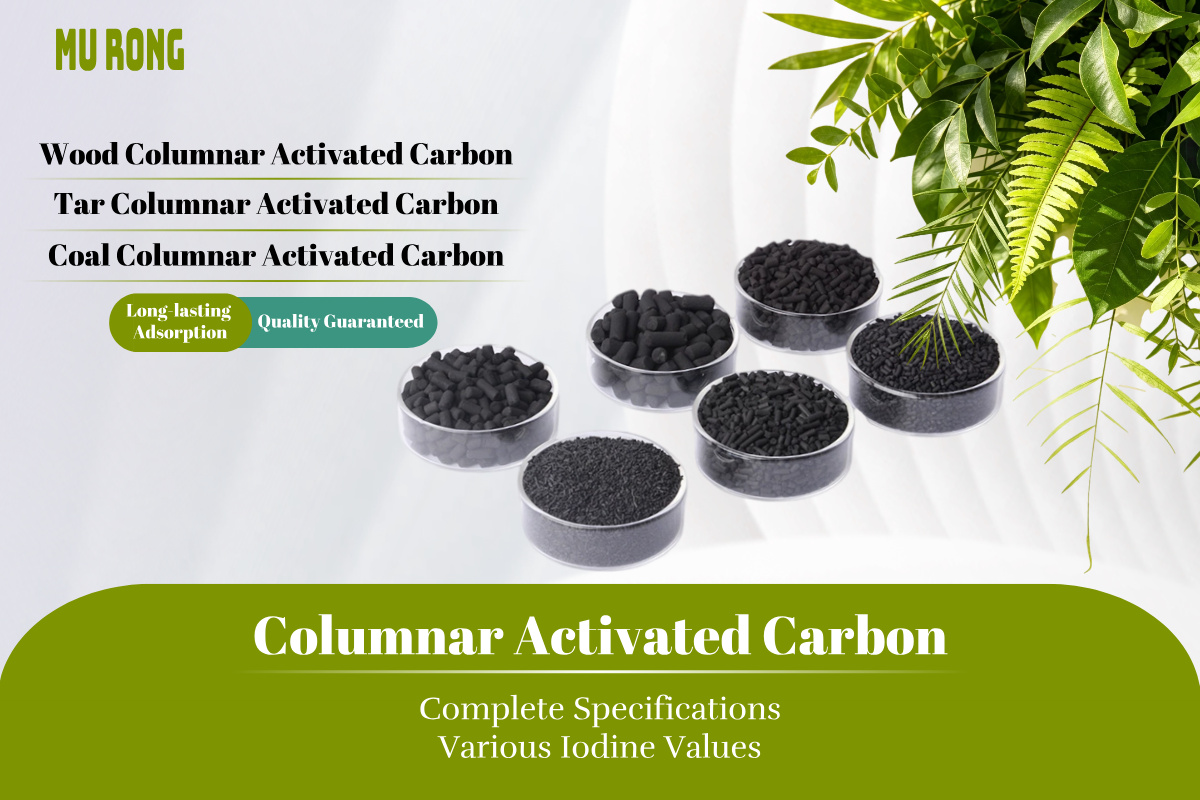
Understanding Coconut Shell Activated Carbon Pricing
The cost of premium coconut shell activated carbon varies significantly based on several key factors. The primary determinant is the quality grade, which is measured by iodine number (typically ranging from 800 to 1200 mg/g for premium grades), particle size distribution, and ash content. Higher iodine numbers indicate greater adsorption capacity, which directly impacts pricing.
Production costs also play a major role in pricing. Premium coconut shell activated carbon requires: 1) Selective sourcing of mature coconut shells; 2) Advanced carbonization and activation processes using phosphoric acid or steam; 3) Multiple acid washing stages to reduce ash content; 4) Precision sieving for consistent particle sizing. Each of these production steps adds to the final cost but ensures superior performance in demanding applications.
Market dynamics influence pricing as well. Raw material availability (affected by coconut harvest seasons), energy costs for production, and global demand patterns (particularly from water treatment and pharmaceutical industries) all contribute to price fluctuations. Current market rates for premium coconut shell activated carbon typically range from $1,800 to $2,500 per metric ton, depending on these variables.
Key Factors Affecting Activated Carbon Costs
The quality specifications of activated carbon have the most direct impact on pricing. Premium grades designed for potable water treatment or pharmaceutical applications must meet stringent standards: low heavy metal content (typically <1 ppm), high mechanical strength to minimize dust generation, and precise pore size distribution optimized for specific contaminant removal.
Packaging requirements also affect costs. Bulk purchases in flexitank containers or ISO tankers offer the best value, while smaller quantities in 25kg bags or 500kg super sacks incur additional packaging and handling charges. Storage conditions matter too – activated carbon must be kept dry to prevent moisture absorption that reduces effectiveness.

Cost Comparison Table
| Quality Grade | Iodine Number | Ash Content | Price Range (USD/ton) |
|---|---|---|---|
| Standard Grade | 800-900 mg/g | 8-12% | 1,200-1,500 |
| Premium Grade | 950-1,050 mg/g | 3-5% | 1,800-2,200 |
| Pharma Grade | 1,050-1,200 mg/g | <3% | 2,300-2,800 |
Selecting Reliable Activated Carbon Suppliers
Choosing the right supplier requires evaluating several critical factors beyond just pricing. First, verify the supplier’s production capabilities – do they operate their own manufacturing facilities or simply resell products? Direct manufacturers like Murong International can ensure consistent quality and supply reliability through vertical integration.
Quality certification is paramount. Reputable suppliers should hold ISO 9001 quality management certification, NSF/ANSI 61 certification for potable water applications, and REACH compliance for European markets. Ask for detailed quality control reports including batch-specific test results for iodine number, ash content, and heavy metal analysis.
Logistical capabilities are equally important for international buyers. Consider the supplier’s experience with export documentation, shipping schedules to your region, and ability to handle custom packaging requirements. Murong International’s Shanghai location provides strategic advantages for efficient shipping to major global ports.
Optimizing Bulk Purchases for Cost Savings
For large-scale water treatment projects, bulk purchasing strategies can yield significant cost savings. Ordering full container loads (typically 20-24 metric tons) reduces per-unit shipping costs by up to 30% compared to LCL (less than container load) shipments. Flexitank containers offer an excellent compromise between cost and handling convenience for liquid applications.
Long-term supply agreements with reliable suppliers provide additional benefits. These arrangements often include: 1) Price stability through fixed pricing clauses; 2) Priority allocation during raw material shortages; 3) Customized product specifications to match your exact requirements; 4) Reduced lead times through strategic inventory positioning.
Consider working with suppliers that offer technical support services. Murong International provides application engineering assistance to help optimize activated carbon selection and dosage rates for specific water treatment challenges. This expertise can prevent costly over-specification or under-performance issues.
FAQ
What factors most significantly impact coconut shell activated carbon pricing?
The three primary factors are quality grade (iodine number and ash content), production method (phosphoric acid vs. steam activation), and order quantity. Premium grades with higher iodine numbers (950+ mg/g) and lower ash content (<5%) typically cost 30-50% more than standard grades due to more stringent manufacturing processes and raw material selection.
How can buyers verify the quality of purchased activated carbon?
Reputable suppliers should provide batch-specific certificates of analysis showing key parameters like iodine number, ash content, moisture content, and heavy metal levels. For critical applications, consider third-party testing by accredited laboratories like SGS or Intertek. Murong International provides comprehensive quality documentation with every shipment.
What is the typical shelf life of activated carbon?
When stored properly in dry conditions (<40% relative humidity), coconut shell activated carbon maintains its adsorption capacity for 3-5 years. Exposure to moisture or contaminants can significantly reduce its effectiveness. Always store in sealed containers away from direct sunlight and chemical vapors.
How does coconut shell activated carbon compare to coal-based alternatives?
Coconut shell activated carbon offers several advantages for water treatment: 1) More microporous structure ideal for removing small molecules like VOCs; 2) Lower ash content reduces fouling in filtration systems; 3) Harder material generates less dust during handling; 4) Renewable coconut shell source is more sustainable than coal. However, coal-based carbons may be more cost-effective for certain bulk applications.
What are the packaging options for bulk activated carbon purchases?
Common packaging formats include: 1) 25kg multi-wall paper bags (most economical for small quantities); 2) 500kg or 1,000kg super sacks (better for medium volumes); 3) Flexitank containers (24,000 liters for liquid applications); 4) ISO tank containers (26,000 liters for hazardous materials). Murong International helps customers select the most cost-effective packaging based on their specific needs.
Summary
Purchasing premium coconut shell activated carbon requires careful consideration of quality specifications, supplier capabilities, and bulk purchasing strategies. While prices typically range from $1,800 to $2,500 per metric ton for premium grades, significant cost savings can be achieved through strategic supplier selection, optimized packaging, and long-term supply agreements. Murong (Shanghai) International Trading Co., Ltd. combines 15+ years of industry experience with advanced production facilities to provide global buyers with consistent quality, competitive pricing, and comprehensive technical support for all their activated carbon requirements.