
When sourcing industrial grade citric acid for your manufacturing operations, choosing the right supplier and product grade is crucial for maintaining production quality and cost efficiency. As a leading international supplier of water treatment materials with extensive experience in chemical trade, Murong (Shanghai) International Trading Co., Ltd. understands the complexities involved in selecting industrial citric acid. This comprehensive guide will walk you through the key considerations when evaluating suppliers, understanding quality standards, and making informed purchasing decisions.
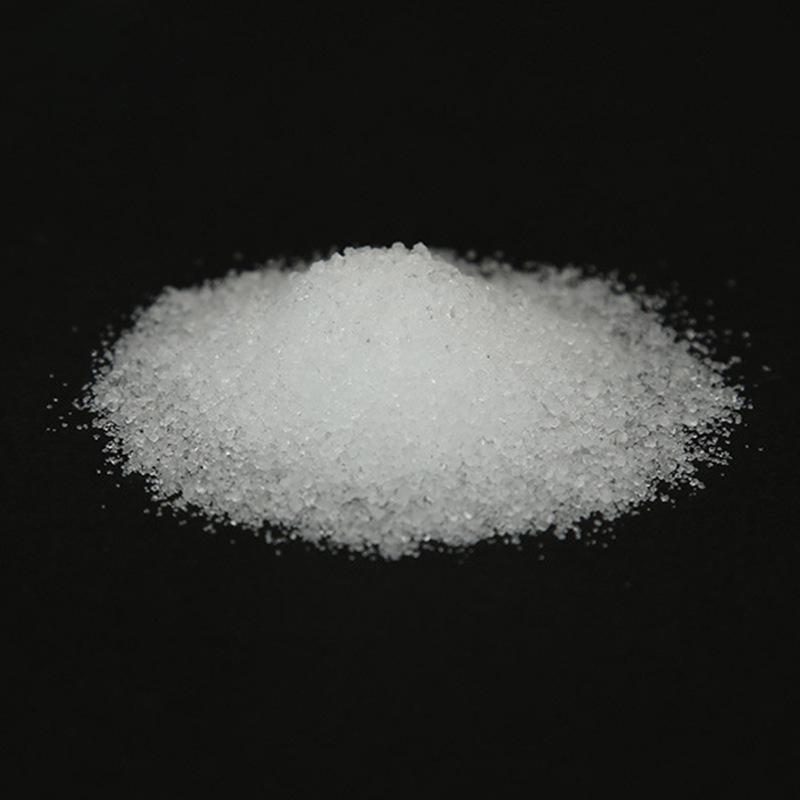
Understanding Industrial Grade Citric Acid Specifications
Industrial grade citric acid differs significantly from food grade in terms of purity requirements and intended applications. While food grade typically requires 99.5% minimum purity with strict heavy metal limits, industrial grade allows for slightly lower purity (usually 95-99%) and different impurity profiles depending on the application. The key specifications to consider when selecting industrial citric acid include:
- Purity Level: Typically ranges from 95% to 99.5% for industrial applications, with higher purity commanding premium pricing
- Heavy Metal Content: Critical for applications involving direct contact with industrial equipment or water systems
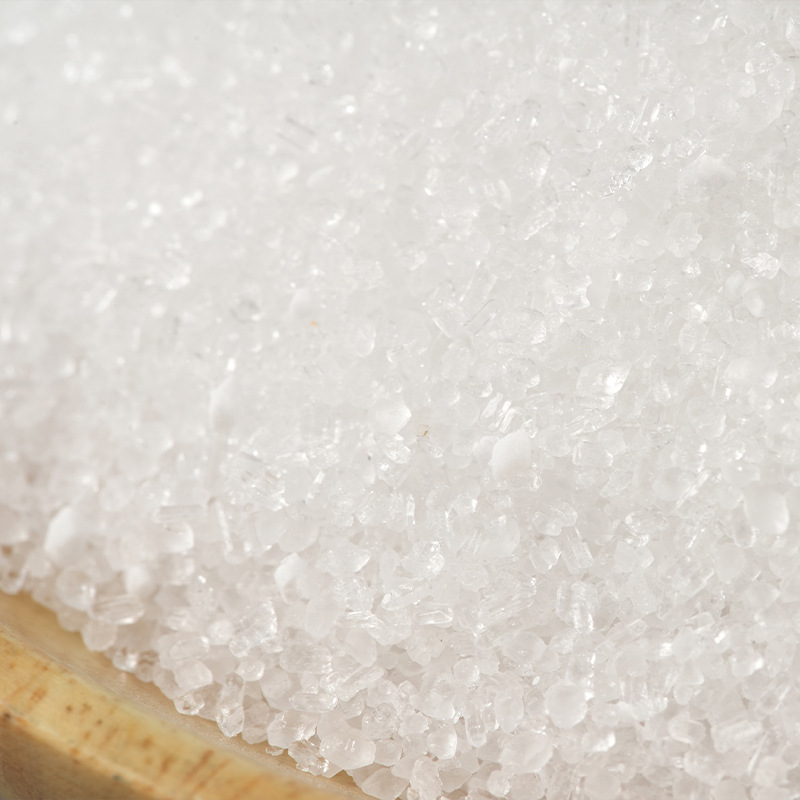
- Particle Size: Affects dissolution rate and handling characteristics in different production processes
- Moisture Content: Important for storage stability and flowability in automated systems
- Sulfate Ash Content: Indicates manufacturing process purity and potential residue in applications
At Murong International, we source our industrial citric acid from ISO 9001 certified manufacturers who adhere to strict quality control protocols. Our products consistently meet or exceed international standards including ASTM, GB, and EN specifications, ensuring reliable performance across diverse industrial applications.
Top Industrial Citric Acid Manufacturers & Suppliers
Selecting reputable suppliers is essential for ensuring consistent product quality and reliable delivery. Based on our industry experience and customer feedback, here are some of the most reliable industrial citric acid manufacturers worldwide:
| Manufacturer | Origin | Certifications | Capacity |
|---|---|---|---|
| Jungbunzlauer | Austria/Switzerland | ISO, Kosher, Halal | 180,000 MT/year |
| Cargill | USA | ISO, FSSC 22000 | 150,000 MT/year |
| Tate & Lyle | UK | ISO, GMP+ | 120,000 MT/year |
| Weifang Ensign Industry | China | ISO, REACH | 100,000 MT/year |
While these global manufacturers set industry benchmarks, regional suppliers like Murong International offer distinct advantages for international buyers. Our Shanghai-based operation provides:
- Flexible order quantities from 1 MT to full container loads
- Multi-language technical support and documentation
- Customized packaging solutions including 25kg bags, 1MT big bags
- Consolidated shipping with other water treatment chemicals
- Local inventory in major ports for faster delivery
Key Factors in Industrial Citric Acid Selection
Choosing the right citric acid grade requires careful evaluation of your specific application requirements. Here are the critical factors to consider:
1. Application Requirements
Different industrial processes have varying purity needs. For example:
- Water Treatment: Typically requires 98% minimum purity with low iron content to prevent staining in cooling towers
- Metal Cleaning: Needs consistent particle size distribution for uniform dissolution in cleaning baths
- Concrete Admixture: Can tolerate slightly lower purity but requires specific pH stability characteristics
- Detergent Building: Demands consistent quality to maintain formulation performance across production batches
2. Quality Certifications
Verify that the supplier holds relevant certifications for your industry:
- ISO 9001 (Quality Management)
- ISO 14001 (Environmental Management)
- REACH (EU Chemical Regulation)
- Kosher/Halal (for certain food-related industrial applications)
- MSDS/COA availability for all shipments
3. Packaging & Logistics
Consider how the product will be stored and handled:
- 25kg PE lined paper bags for manual handling
- 1,000kg flexible intermediate bulk containers (FIBC) for automated systems
- Palletization requirements for container shipping
- Shelf life considerations (typically 2 years when stored properly)
- Special packaging for humid climate regions
4. Supplier Reliability
Evaluate the supplier’s track record with:
- On-time delivery performance
- Consistency in product quality between batches
- Technical support capabilities
- Flexibility in order quantities and lead times
- After-sales service and quality dispute resolution
Common Industrial Citric Acid Applications
Understanding how different industries utilize citric acid can help guide your selection process:
| Industry | Application | Required Grade |
|---|---|---|
| Water Treatment | pH adjustment, scale inhibition | 98% minimum, low iron |
| Metal Finishing | Cleaning, passivation | 99% with consistent particle size |
| Construction | Concrete admixture, retarder | 95-98% with specific pH stability |
| Textile | Dyeing assistant, bleach stabilizer | 98% with low sulfate content |
| Pharmaceutical | Buffering agent, excipient | USP/EP grade required |
FAQ
What are the main differences between industrial and food grade citric acid?
Industrial grade citric acid typically has slightly lower purity requirements (95-99%) compared to food grade (99.5% minimum). The key differences lie in heavy metal limits, microbial specifications, and intended applications. Industrial grade may contain higher levels of impurities that are acceptable in non-food applications but would be unsafe for consumption.
How can I verify the quality of industrial citric acid before purchasing?
Request a current Certificate of Analysis (COA) from the supplier showing test results for key parameters like purity, heavy metals, moisture content, and particle size distribution. For critical applications, consider third-party testing of sample batches. Reputable suppliers like Murong International provide comprehensive documentation with each shipment.
What packaging options are available for bulk citric acid purchases?
Common packaging options include 25kg PE-lined paper bags for manual handling and 1,000kg flexible intermediate bulk containers (FIBC) for automated systems. Suppliers can often accommodate special requests for palletization, moisture protection, or custom labeling for different markets.
How does transportation affect citric acid quality?
Proper packaging prevents moisture absorption during transit, which could cause caking. Container shipping requires careful stowage to avoid temperature extremes. For long-distance shipments, consider suppliers who offer climate-controlled storage facilities at loading ports to maintain product quality before shipment.
What factors influence the price of industrial citric acid?
Major price drivers include raw material costs (typically derived from corn or molasses), production scale, energy prices, and supply chain efficiency. Regional suppliers like Murong International often offer competitive pricing by consolidating shipments with other water treatment chemicals and maintaining local inventory.
How long can industrial citric acid be stored?
When stored in a cool, dry place in original sealed packaging, industrial citric acid typically maintains its quality for up to 2 years. Exposure to moisture or high temperatures can accelerate degradation, causing caking or reduced effectiveness in applications.
What certifications should industrial citric acid have?
Essential certifications include ISO 9001 (quality management), ISO 14001 (environmental management), and REACH compliance for EU markets. For specific applications, additional certifications like Kosher/Halal (for food-related industrial uses) or GMP+ (for animal feed applications) may be required.
Can industrial citric acid be used in pharmaceutical applications?
No, pharmaceutical applications require USP/EP grade citric acid that meets much stricter purity and impurity specifications. Industrial grade lacks the necessary quality controls for medicinal or direct human contact applications.
How does particle size affect citric acid performance?
Particle size influences dissolution rate and handling characteristics. Finer particles dissolve faster but may cause dusting issues, while coarser particles are easier to handle but require more agitation to dissolve completely. Applications like metal cleaning require consistent particle size distribution for uniform bath performance.
What should I consider when switching citric acid suppliers?
Key considerations include conducting quality comparison tests, verifying certifications, evaluating logistics capabilities, and assessing technical support availability. Start with small trial orders to confirm product performance before committing to larger volumes. Murong International offers sample programs and technical consultation to facilitate supplier transitions.
Summary
Selecting the right industrial grade citric acid requires careful evaluation of your specific application requirements, quality standards, and supplier capabilities. By understanding the key differences between industrial and food grades, verifying essential certifications, and considering logistical factors like packaging and transportation, you can make informed purchasing decisions that optimize both performance and cost efficiency. Reputable suppliers like Murong (Shanghai) International Trading Co., Ltd. offer the advantage of combining global sourcing expertise with localized service capabilities, providing international buyers with reliable access to high-quality industrial citric acid tailored to their specific needs.