
In today’s global industrial landscape, activated carbon has become an indispensable material for water treatment, air purification, and various chemical processes. Among different types, coconut shell activated carbon stands out for its superior adsorption capacity, environmental friendliness, and consistent quality. This comprehensive guide explores everything international buyers need to know about premium coconut shell activated carbon – from pricing factors to quality verification, from industrial applications to purchasing considerations.
Understanding Coconut Shell Activated Carbon
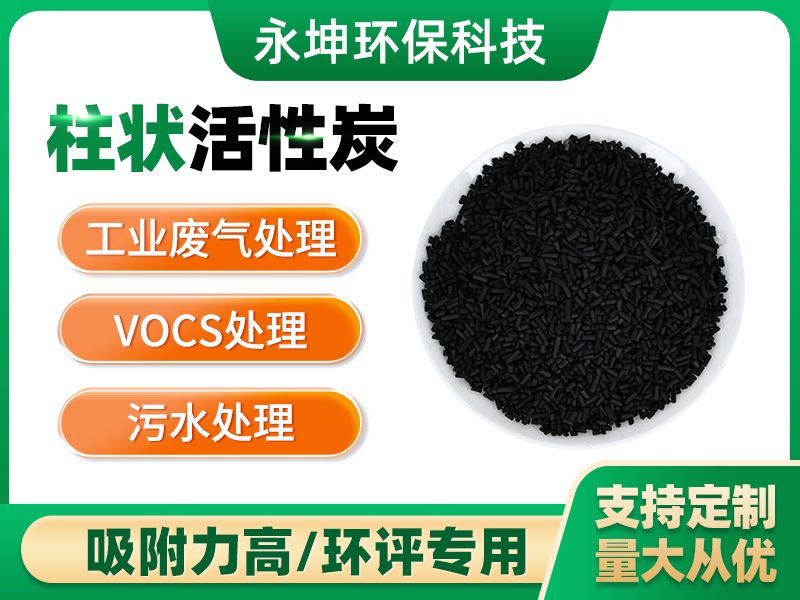
Coconut shell activated carbon is produced through a specialized carbonization and activation process using coconut shells as raw material. This eco-friendly production method transforms agricultural waste into valuable industrial material. The unique porous structure of coconut shell-based carbon gives it exceptional adsorption properties compared to coal-based alternatives, making it particularly suitable for high-purity applications.
The manufacturing process involves several key steps: raw material selection, carbonization at controlled temperatures, physical or chemical activation to develop pore structure, and final processing including crushing, sieving, and packaging. Professional manufacturers like Murong (Shanghai) International Trading Co., Ltd. implement strict quality control at each stage to ensure consistent product performance.
Compared to other types of activated carbon, coconut shell variant offers several advantages:
- Higher iodine number (typically 900-1200 mg/g) indicating superior adsorption capacity
- More micropores suitable for removing small molecular contaminants
- Lower ash content (usually <3%) reducing impurity introduction
- Renewable raw material source supporting sustainable development
- Better mechanical strength ensuring longer service life
Key Factors Affecting Coconut Shell Activated Carbon Pricing
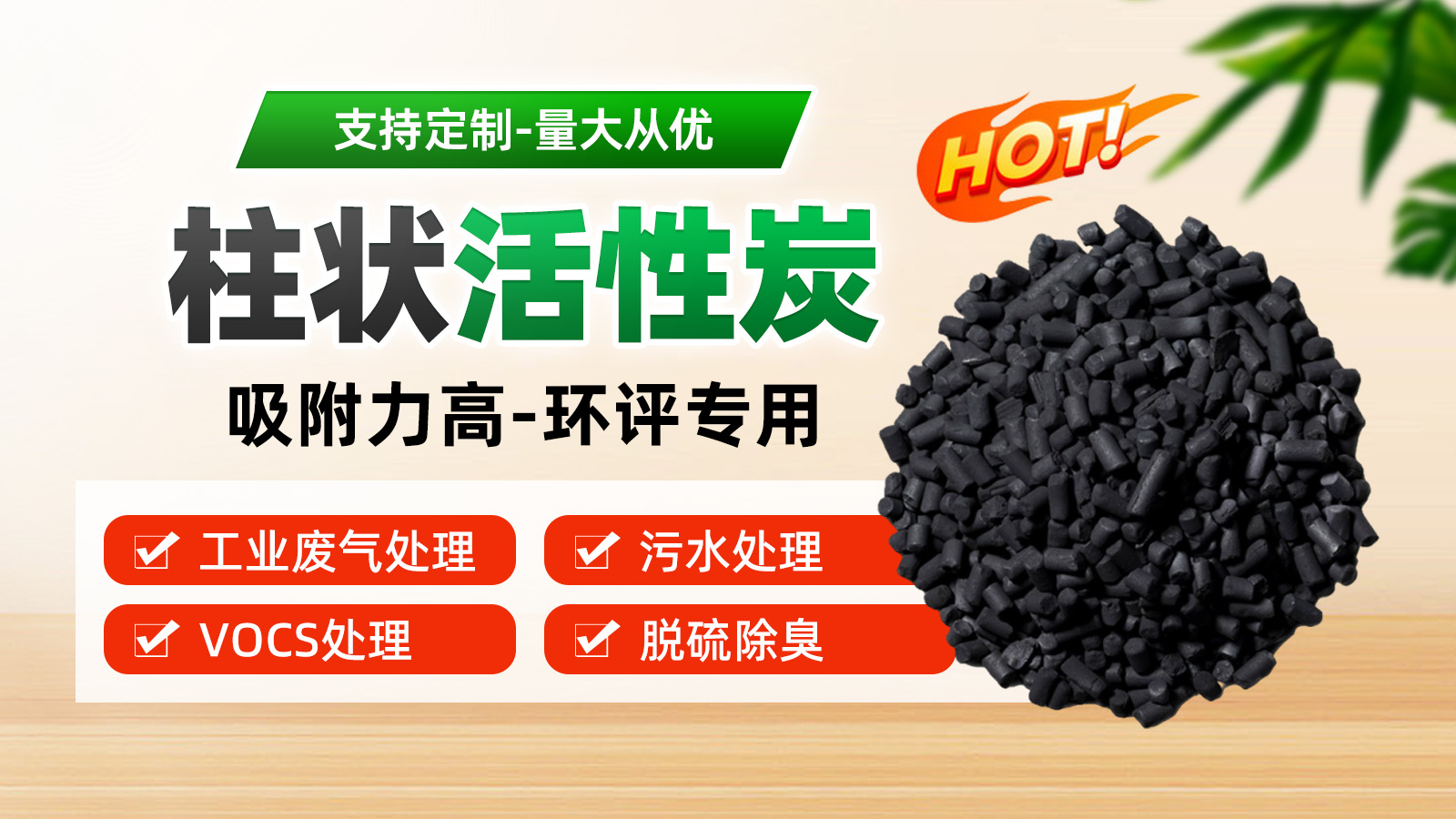
When evaluating “how much does premium coconut shell activated carbon cost,” buyers should consider multiple factors that influence pricing. Understanding these elements helps make informed purchasing decisions and negotiate better terms with suppliers.
1. Raw Material Quality
The quality of coconut shells used directly impacts final product performance. Premium suppliers source shells from specific regions known for optimal growing conditions, ensuring consistent shell density and carbon content. Some manufacturers even implement their own coconut plantations to control raw material quality from source.
2. Activation Process
The activation method (steam activation vs. chemical activation) and process parameters significantly affect pore structure development. Advanced manufacturers use precise computer-controlled activation systems to achieve uniform pore distribution and optimal surface area.
3. Product Specifications
Different applications require specific particle sizes, mesh numbers, and purity levels. Customized specifications typically command premium pricing but deliver better performance in targeted applications. Common specifications include:
| Parameter | Typical Range | Application Impact |
|---|---|---|
| Iodine Number | 900-1200 mg/g | Higher number indicates better small molecule adsorption |
| Mesh Size | 8×30, 12×40, 20×50 | Affect flow rate and contact efficiency |
| Ash Content | <3% | Lower ash means fewer impurities |
| Moisture Content | <5% | Affect storage stability and handling |
4. Production Scale & Efficiency
Large-scale manufacturers with automated production lines and optimized processes can offer more competitive pricing while maintaining quality. Murong International, for example, operates multiple production bases in China serving global markets, achieving economies of scale without compromising standards.
5. Certifications & Compliance
Products meeting international standards like NSF, ISO, or Reach command premium pricing but ensure compliance with global regulations. Reputable suppliers provide complete certification documentation and test reports with each batch.
Industrial Applications of Premium Coconut Shell Activated Carbon
The superior properties of coconut shell activated carbon make it the preferred choice for numerous industrial applications where high purity and reliable performance are critical:
1. Water Treatment
The most common application, accounting for over 60% of global consumption. Used for:
- Drinking water purification (removing chlorine, odors, organic compounds)
- Industrial wastewater treatment (heavy metal removal, color reduction)
- Groundwater remediation (contaminant adsorption)
- Swimming pool water treatment (chlorine removal, pH stabilization)
2. Air & Gas Purification
Effective for removing volatile organic compounds (VOCs), odors, and harmful gases in:
- Industrial exhaust gas treatment
- Indoor air quality improvement
- Solvent recovery systems
- Gas mask canisters
3. Pharmaceutical & Food Industry
High-purity grades are essential for:
- Decolorization of pharmaceutical intermediates
- Purification of edible oils and sugars
- Removal of impurities from APIs
- Beverage clarification processes
4. Chemical Industry
Used as catalyst carrier or for:
- Gold recovery from cyanide solutions
- Purification of organic solvents
- Removal of inhibitors from chemical reactions
- Hydrogen storage applications
How to Select Reliable Coconut Shell Activated Carbon Suppliers
Choosing the right supplier is as important as selecting the product itself. Here are key criteria international buyers should evaluate:
1. Manufacturing Capability
Verify whether the supplier operates their own production facilities or simply trades products. Direct manufacturers like Murong International offer better quality control, customization capabilities, and supply stability. Key indicators include:
- Number and capacity of production lines
- Level of automation and process control
- R&D investment and technical capabilities
- Quality management system certification (ISO 9001 etc.)
2. Product Quality Assurance
Request detailed product specifications and third-party test reports. Reputable suppliers conduct regular batch testing for key parameters and maintain complete traceability records. Look for:
- Consistent technical data across batches
- Comprehensive quality control procedures
- Certifications relevant to your target markets
- Ability to provide custom specifications
3. International Trade Experience
For overseas buyers, working with experienced exporters reduces risks and ensures smooth transactions. Evaluate:
- Number of years in international business
- Export market coverage and client base
- Familiarity with target market regulations
- Logistics and supply chain capabilities
4. Technical Support & Service
Professional suppliers offer more than just products – they provide complete solutions. Look for:
- Pre-sales application consulting
- On-site technical guidance
- After-sales service and troubleshooting
- Training programs for client personnel
5. Company Reputation & References
Check industry reputation through multiple channels:
- Client testimonials and case studies
- Industry awards and recognitions
- Trade show participation history
- Online reviews and ratings
FAQ
What makes coconut shell activated carbon superior to coal-based alternatives?
Coconut shell activated carbon has more micropores and higher surface area, giving it superior adsorption capacity for small molecules. It also has lower ash content, higher mechanical strength, and is more environmentally friendly as it’s made from renewable agricultural waste.
How to verify the quality of purchased activated carbon?
Request complete technical specifications and third-party test reports from suppliers. Key indicators include iodine number, mesh size, ash content, and moisture content. Professional manufacturers like Murong International provide batch-specific test data and quality certificates.
What is the typical shelf life of coconut shell activated carbon?
When stored properly in sealed packaging away from moisture and direct sunlight, premium activated carbon can maintain its adsorption capacity for 3-5 years. The actual shelf life depends on storage conditions and product formulation.
Can activated carbon be regenerated for reuse?
Yes, thermal regeneration can restore about 80-90% of original adsorption capacity. However, regeneration requires specialized equipment and may not be cost-effective for all applications. Many clients find it more practical to replace spent carbon with new material.
How to calculate the required quantity for my water treatment system?
The calculation depends on factors like water flow rate, contaminant concentration, contact time, and desired treatment level. Professional suppliers provide free engineering consultation to determine optimal dosage and system design based on your specific requirements.
Summary
Premium coconut shell activated carbon represents the highest quality choice for demanding industrial applications requiring reliable performance and consistent quality. While pricing may be higher than coal-based alternatives, its superior adsorption capacity, lower impurity levels, and environmental benefits justify the investment for most professional applications.
When selecting suppliers, international buyers should prioritize manufacturers with proven production capabilities, strict quality control, and extensive international trade experience. Companies like Murong (Shanghai) International Trading Co., Ltd. that combine advanced manufacturing with professional service capabilities offer the best value proposition for global clients.
Understanding the key factors affecting pricing and quality enables buyers to make informed decisions that balance cost and performance requirements. With proper selection and application, premium coconut shell activated carbon delivers exceptional value across diverse industrial sectors.