
Selecting the right anionic polyacrylamide (APAM) for your industrial applications is crucial for achieving optimal performance and cost-efficiency. As a leading international trading company specializing in water treatment materials, Murong (Shanghai) International Trading Co., Ltd. understands the challenges businesses face when choosing the right chemical solutions. This comprehensive guide will walk you through the essential factors to consider when selecting anionic polyacrylamide, helping you make informed decisions for your specific industrial needs.

Understanding Anionic Polyacrylamide and Its Applications
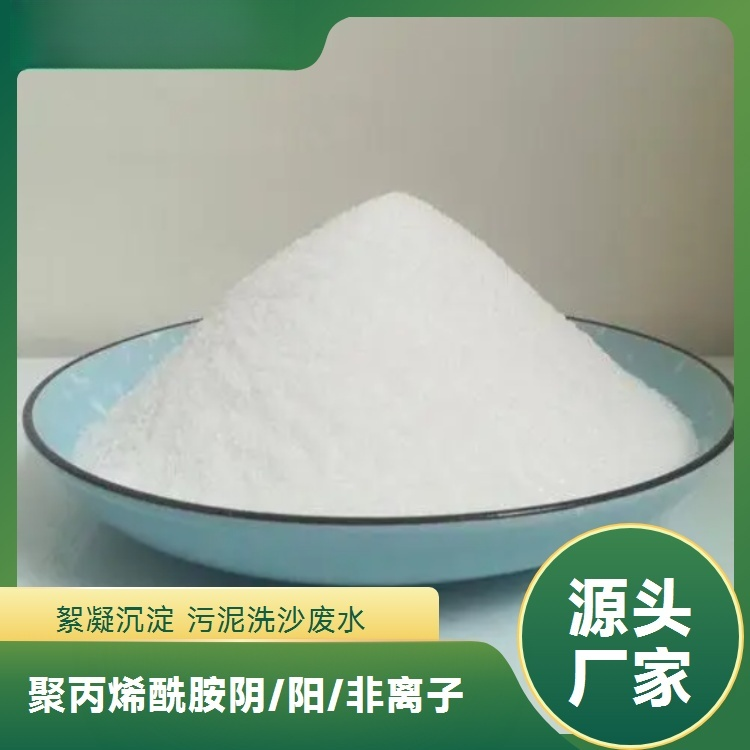
Anionic polyacrylamide is a water-soluble polymer with negatively charged functional groups. It’s widely used in various industrial applications, particularly in water treatment processes. The primary function of APAM is to act as a flocculant, helping to aggregate suspended particles in water, making them easier to remove through sedimentation or filtration.
The key applications of anionic polyacrylamide include:
- Municipal wastewater treatment
- Industrial wastewater treatment (textile, paper, mining, etc.)
- Drinking water purification
- Sludge dewatering
- Oil recovery enhancement
- Paper manufacturing as a retention aid
Understanding your specific application is the first step in selecting the right anionic polyacrylamide product. Different applications may require different molecular weights, charge densities, or formulations of APAM.
Key Factors to Consider When Selecting Anionic Polyacrylamide
Choosing the appropriate anionic polyacrylamide involves evaluating several critical factors that influence its performance in your specific application. Let’s examine these factors in detail:
1. Molecular Weight
The molecular weight of anionic polyacrylamide significantly impacts its flocculation efficiency. Higher molecular weight APAM typically forms larger flocs, which settle faster but may be more difficult to dewater. Lower molecular weight products create smaller, denser flocs that are easier to dewater but may settle more slowly.
For most wastewater treatment applications, medium to high molecular weight APAM (8-18 million) is preferred. However, the optimal range depends on your specific process conditions and the nature of the suspended solids.
2. Charge Density
Charge density, often expressed as a percentage, indicates the number of anionic groups per polymer chain. Higher charge density APAM works better with positively charged particles (cations), while lower charge density products may be more effective with neutral or slightly negatively charged particles.
The choice of charge density depends on the characteristics of your wastewater. For example, paper mill effluent with high calcium content typically requires higher charge density APAM, while textile wastewater with dye particles may need lower charge density products.
3. Dissolution Time
The speed at which anionic polyacrylamide dissolves in water affects its usability in your process. Fast-dissolving products are convenient for applications requiring quick results, while slower-dissolving APAM may be suitable for processes with longer mixing times.
Factors influencing dissolution time include:
- Particle size of the APAM powder
- Water temperature
- Mixing intensity
- Presence of other chemicals in the water
4. Residual Monomer Content
The production process of APAM may leave residual acrylamide monomers, which can be harmful in high concentrations. For applications involving drinking water or food processing, it’s crucial to select APAM with extremely low residual monomer content (typically <0.05%).
Reputable suppliers like Murong (Shanghai) International Trading Co., Ltd. provide APAM products that meet strict international safety standards for residual monomer content.
5. pH Compatibility
The effectiveness of anionic polyacrylamide can vary with pH levels. Most APAM products work best in neutral to slightly alkaline conditions (pH 6-9). However, some specialized formulations can perform effectively in more acidic or alkaline environments.
Understanding the pH of your wastewater is essential for selecting an APAM product that will maintain its flocculation properties under your specific conditions.
How to Choose a Reliable Anionic Polyacrylamide Supplier
Selecting the right anionic polyacrylamide is only half the battle. Choosing a reliable supplier is equally important to ensure consistent product quality, timely delivery, and technical support. Here are key factors to consider when evaluating potential suppliers:
1. Product Quality and Certifications
Look for suppliers that provide APAM products meeting international quality standards such as ISO 9001. For specific applications like drinking water treatment, ensure the product complies with relevant regulations like NSF/ANSI 60 or REACH.
Murong (Shanghai) International Trading Co., Ltd. sources its anionic polyacrylamide from reputable manufacturers with strict quality control processes, ensuring our products meet the highest industry standards.
2. Technical Support and Expertise
A good supplier should offer more than just products; they should provide technical expertise to help you optimize your water treatment processes. Look for companies with experienced chemists or engineers who can assist with product selection, dosage recommendations, and troubleshooting.
Our team at Murong International has extensive knowledge of water treatment chemicals and can provide personalized support to help you achieve the best results with our anionic polyacrylamide products.
3. Supply Chain Reliability
Consistent supply is crucial, especially for large-scale industrial operations. Evaluate the supplier’s production capacity, inventory management, and logistics capabilities to ensure they can meet your ongoing needs without interruption.
As an established international trading company, we have built a robust supply chain network that allows us to provide reliable delivery of anionic polyacrylamide and other water treatment chemicals to clients worldwide.
4. Customization Capabilities
Some applications may require specialized formulations of anionic polyacrylamide. Look for suppliers that offer customization options to tailor the product to your specific needs, whether it’s adjusting molecular weight, charge density, or other properties.
5. Competitive Pricing
While price shouldn’t be the sole deciding factor, it’s important to find a supplier that offers competitive pricing without compromising on quality. Compare prices from multiple suppliers, but also consider the total cost of ownership, including factors like dosage efficiency and product longevity.
| Factor | Importance | What to Look For |
|---|---|---|
| Molecular Weight | High | 8-18 million for most wastewater applications |
| Charge Density | High | 10-40% depending on wastewater characteristics |
| Residual Monomer | Critical for drinking water apps | <0.05% for potable water applications |
| Supplier Reputation | High | ISO certifications, industry experience |
| Technical Support | Medium-High | Availability of chemists/engineers for support |
Top Anionic Polyacrylamide Manufacturers Recommended by Murong International
Based on our extensive experience in the water treatment chemicals industry, we recommend considering products from these reputable anionic polyacrylamide manufacturers:
1. SNF Group
A global leader in water-soluble polymers, SNF offers a wide range of anionic polyacrylamide products suitable for various industrial applications. Their products are known for consistent quality and performance.
2. Kemira
Kemira provides high-quality anionic polyacrylamide solutions with excellent flocculation properties. They offer specialized products for different industries, including pulp and paper, mining, and municipal water treatment.
3. BASF
BASF’s anionic polyacrylamide products are widely used in water treatment and sludge dewatering applications. They offer both standard and customized formulations to meet specific customer needs.
4. Ashland
Ashland produces anionic polyacrylamide polymers under their Aquafloc brand, which are effective in various water treatment processes, including drinking water purification and industrial wastewater treatment.
As a trusted international trading partner, Murong (Shanghai) International Trading Co., Ltd. works closely with these and other top manufacturers to source high-quality anionic polyacrylamide products for our global clients.
FAQ
What is the main difference between anionic and cationic polyacrylamide?
The primary difference lies in their charge properties. Anionic polyacrylamide has negatively charged functional groups, making it effective for flocculating positively charged particles. Cationic polyacrylamide has positively charged groups, suitable for negatively charged particles. The choice depends on the characteristics of the suspended solids in your wastewater.
How do I determine the correct dosage of anionic polyacrylamide for my application?
The optimal dosage depends on several factors including wastewater characteristics, treatment process, and desired results. It’s best to conduct jar tests using different concentrations to determine the most effective dosage. Our technical team can assist you with this process to ensure optimal performance and cost-efficiency.
Can anionic polyacrylamide be used for drinking water treatment?
Yes, but only products specifically formulated and certified for potable water applications. These products must meet strict safety standards for residual monomer content (typically <0.05%) and other contaminants. Always verify that the APAM you're using is approved for drinking water treatment in your region.
What is the shelf life of anionic polyacrylamide?
When stored properly in a cool, dry place away from direct sunlight, anionic polyacrylamide typically has a shelf life of 2-3 years. However, factors like humidity and temperature can affect its stability. Always check the manufacturer’s specifications and use older stock first to ensure product effectiveness.
How does temperature affect the performance of anionic polyacrylamide?
Temperature influences both the dissolution rate and flocculation efficiency of APAM. Higher temperatures generally speed up dissolution but may reduce floc strength. Conversely, lower temperatures slow dissolution but can produce stronger flocs. The optimal operating temperature range is typically between 10-40°C (50-104°F).
Summary
Selecting the right anionic polyacrylamide for your industrial water treatment needs requires careful consideration of several key factors, including molecular weight, charge density, dissolution time, and pH compatibility. Equally important is choosing a reliable supplier that can provide high-quality products, technical expertise, and consistent supply.
At Murong (Shanghai) International Trading Co., Ltd., we leverage our deep industry experience and global network to source premium anionic polyacrylamide products from reputable manufacturers. Our commitment to quality, combined with our technical expertise, makes us the ideal partner for businesses seeking effective water treatment solutions.
Whether you’re treating municipal wastewater, industrial effluent, or looking for specialized applications like oil recovery, we can help you select the most suitable anionic polyacrylamide product and optimize your treatment process for maximum efficiency and cost-effectiveness.