
When it comes to industrial water treatment solutions, coconut shell activated carbon stands out as one of the most effective and versatile materials available. As a leading international trader based in Shanghai, Murong (Shanghai) International Trading Co., Ltd. specializes in providing premium water treatment materials, including various types of activated carbon, to clients worldwide. This comprehensive guide will help you understand the pricing factors, selection criteria, and key considerations when purchasing high-quality coconut shell activated carbon for your industrial applications.
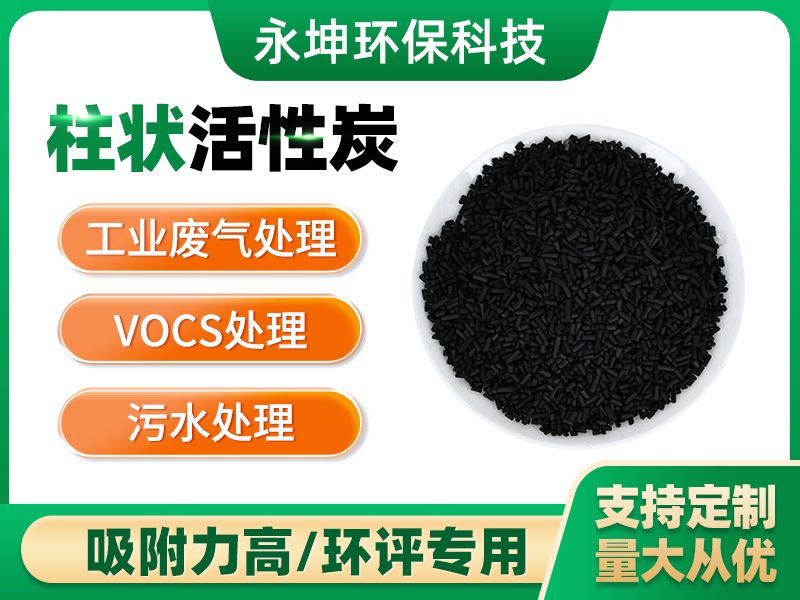
Understanding Coconut Shell Activated Carbon Pricing
The cost of coconut shell activated carbon varies significantly based on several key factors. As a premium product in the activated carbon market, coconut shell-based variants typically command higher prices than coal-based or wood-based alternatives due to their superior pore structure and adsorption capacity. The pricing structure generally includes:
- Raw material quality: Higher-grade coconut shells from specific regions produce better activated carbon
- Activation process: Physical activation (steam) vs. chemical activation methods affect both quality and cost
- Particle size: Finer granules or powdered forms are generally more expensive due to additional processing
- Purity levels: Lower ash content and higher carbon content increase production costs
- Iodine number: Higher adsorption capacity (measured in mg/g) correlates with higher prices
- Packaging specifications: Bulk quantities in jumbo bags vs. smaller packaged quantities
For industrial applications, the average price range for high-quality coconut shell activated carbon falls between $1,800 to $3,500 per metric ton, depending on the specific grade and quantity purchased. Premium grades with iodine numbers above 1000 mg/g and ash content below 3% typically represent the higher end of this spectrum.
Key Factors Affecting Activated Carbon Cost
When evaluating coconut shell activated carbon prices, several critical factors influence the final cost and overall value proposition:
1. Production Standards and Certifications
Reputable manufacturers like those we partner with at Murong International adhere to strict quality control systems and international standards including ISO 9001, NSF/ANSI 61, and FDA compliance for food-grade applications. These certifications ensure consistent quality but may add to production costs.
2. Supply Chain Efficiency
Our strategic location in Shanghai allows us to optimize shipping routes and reduce transportation costs for international clients. Direct sourcing from manufacturers eliminates middleman markups, ensuring competitive pricing without compromising quality.
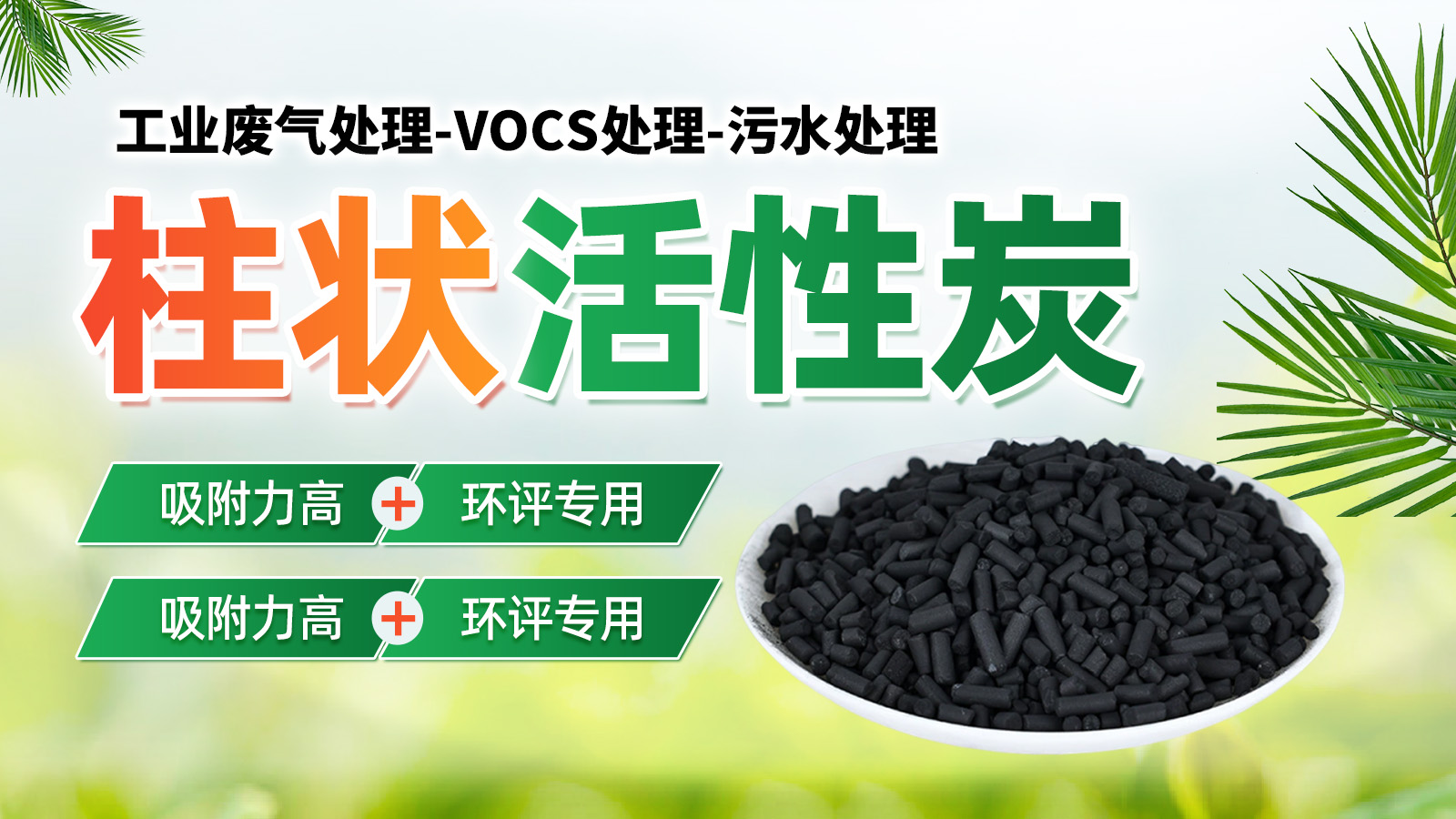
3. Customization Capabilities
Different industrial applications require specific activated carbon characteristics. Our ability to work with manufacturers on custom formulations – including particle size distribution, pH levels, and surface area specifications – adds value that justifies premium pricing for specialized applications.
4. Market Dynamics
Coconut shell availability fluctuates with agricultural cycles and global demand patterns. Our established relationships with multiple suppliers across Southeast Asia help stabilize pricing even during periods of raw material scarcity.
| Quality Parameter | Standard Grade | Premium Grade |
|---|---|---|
| Iodine Number (mg/g) | 900-1000 | 1000-1200 |
| Ash Content (%) | 3-5 | ≤3 |
| Moisture Content (%) | ≤5 | ≤3 |
| Particle Size Distribution | 8×30 mesh | 12×40 mesh |
How to Select the Right Coconut Shell Activated Carbon Supplier
Choosing a reliable supplier involves evaluating more than just pricing. Consider these essential factors when making your selection:
1. Technical Expertise
Look for suppliers with in-house technical teams capable of analyzing your specific requirements and recommending optimal solutions. Our team at Murong International includes chemical engineers and water treatment specialists who collaborate with clients to determine the most cost-effective activated carbon specifications.
2. Production Capacity
Ensure your supplier can meet both current and future demand without compromising quality. Our partnerships with multiple large-scale manufacturers in China and Southeast Asia provide combined production capacity exceeding 50,000 metric tons annually.
3. Quality Assurance Systems
Reputable suppliers maintain comprehensive quality control protocols including batch testing, material traceability, and third-party certification. We implement rigorous inspection procedures at every stage – from raw material procurement to final product packaging.
4. Logistical Capabilities
Efficient international shipping is crucial for maintaining project timelines. Our Shanghai location offers proximity to major ports and access to multiple transportation modes, enabling us to optimize delivery schedules and reduce transit times to destinations worldwide.
5. After-Sales Support
The best suppliers provide ongoing technical support and product guidance. We offer comprehensive after-sales services including performance monitoring, troubleshooting assistance, and replacement recommendations when application conditions change.
FAQ
What makes coconut shell activated carbon more expensive than other types?
Coconut shell activated carbon commands higher prices due to its superior micro-pore structure that provides exceptional adsorption capacity for organic compounds and chlorine removal. The production process requires higher-quality raw materials and more precise control parameters, resulting in lower yield but higher performance characteristics compared to coal-based alternatives.
How can I verify the quality of coconut shell activated carbon before purchase?
Request detailed product specifications including iodine number, ash content, and particle size distribution. Reputable suppliers should provide batch-specific test reports from accredited laboratories. For critical applications, consider sending samples to independent testing facilities for verification of key parameters like surface area and pore volume.
What is the typical shelf life of coconut shell activated carbon?
When stored properly in sealed containers away from moisture and direct sunlight, coconut shell activated carbon maintains its adsorption capacity for 3-5 years. Exposure to air and humidity gradually reduces effectiveness as the pores become saturated with moisture and contaminants from the environment.
Can I use coconut shell activated carbon for all water treatment applications?
While excellent for removing organic compounds, chlorine, and odors, coconut shell activated carbon may not be optimal for all applications. For heavy metal removal or high-flow systems, consider blended products combining coconut shell with other base materials. Our technical team can recommend the most suitable formulation based on your specific water quality parameters.
Summary
Investing in high-quality coconut shell activated carbon requires careful consideration of both pricing factors and supplier capabilities. While initial costs may be higher than alternative materials, the superior performance and longer service life often justify the premium for industrial applications. At Murong (Shanghai) International Trading Co., Ltd., we combine competitive pricing with technical expertise and reliable supply chain management to deliver optimal solutions for our global clients. By understanding the key factors affecting activated carbon pricing and supplier selection criteria outlined in this guide, you can make informed decisions that maximize both performance and cost-effectiveness in your water treatment operations.