
In the realm of industrial water treatment, coconut shell activated carbon stands out as a premier choice due to its exceptional adsorption capabilities and environmental friendliness. As a global trader specializing in water treatment materials, Murong (Shanghai) International Trading Co., Ltd. understands the critical role that cost and quality play in selecting the right activated carbon supplier. This article delves into the factors affecting coconut shell activated carbon price per ton and provides insights into selecting a reputable supplier for your industrial needs.
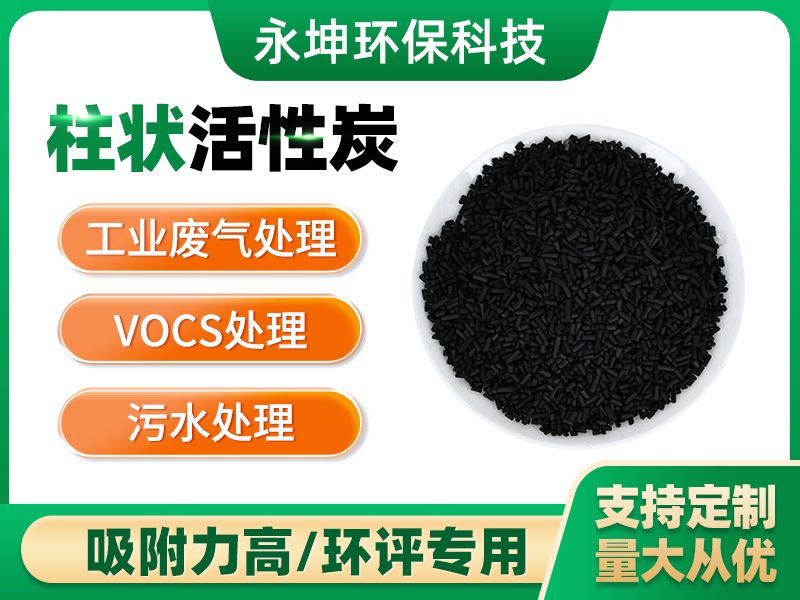
Understanding Coconut Shell Activated Carbon
Coconut shell activated carbon is derived from the shells of coconuts, which undergo a high-temperature activation process to create a porous structure with a vast surface area. This structure enables it to effectively adsorb impurities, chemicals, and odors from water, making it an ideal material for water purification, air filtration, and various industrial applications. Its natural origin and renewable source contribute to its popularity among environmentally conscious consumers and businesses.
Factors Influencing Coconut Shell Activated Carbon Price Per Ton
The price of coconut shell activated carbon per ton can vary significantly based on several factors:
1. Raw Material Quality
The quality of the coconut shells used as raw material directly impacts the final product’s performance and price. High-quality shells with minimal impurities yield activated carbon with superior adsorption capacity, commanding a higher price in the market.
2. Activation Process
The activation process, whether physical or chemical, affects the carbon’s pore size distribution and surface area. Advanced activation techniques that produce a more uniform and extensive pore structure result in higher-priced activated carbon due to its enhanced performance.
3. Purity and Particle Size
The purity level and particle size distribution of the activated carbon also influence its price. Finer particles with higher purity levels are often preferred for specific applications, such as pharmaceuticals and food processing, and thus command a premium price.
4. Market Demand and Supply
Like any commodity, the price of coconut shell activated carbon is subject to market forces of demand and supply. Fluctuations in global demand, production capacities, and raw material availability can lead to price variations over time.
5. Supplier Reputation and Service
Reputable suppliers with a track record of delivering high-quality products and excellent customer service may charge a premium for their activated carbon. However, investing in a reliable supplier can save costs in the long run by reducing product failures and ensuring consistent performance.

Selecting a High-Quality Coconut Shell Activated Carbon Supplier
Choosing the right supplier is crucial for obtaining high-quality coconut shell activated carbon at a competitive price. Consider the following factors when evaluating potential suppliers:
- Product Quality: Look for suppliers that adhere to international quality standards and provide detailed product specifications, including purity levels, particle size distribution, and adsorption capacity.
- Certifications: Verify that the supplier holds relevant certifications, such as ISO, NSF, or FDA approvals, indicating compliance with industry regulations and safety standards.
- Production Capacity: Assess the supplier’s production capacity to ensure they can meet your volume requirements without compromising on quality or delivery timelines.
- Customer Reviews: Read customer reviews and testimonials to gauge the supplier’s reputation for product quality, reliability, and customer service.
- Technical Support: Choose a supplier that offers technical support and guidance on product selection, application, and troubleshooting to maximize the benefits of using their activated carbon.
- Price Competitiveness: While price should not be the sole deciding factor, compare quotes from multiple suppliers to ensure you are getting a fair and competitive price for the quality and service offered.
Cost-Benefit Analysis of Coconut Shell Activated Carbon
When evaluating the cost of coconut shell activated carbon, it’s essential to consider the long-term benefits and cost savings it offers. High-quality activated carbon with superior adsorption capacity can reduce the frequency of filter replacements, lower maintenance costs, and improve overall system efficiency. Additionally, its environmental friendliness and renewable source align with sustainable business practices, enhancing your brand’s reputation and appeal to eco-conscious consumers.
FAQ
What is the average price range for coconut shell activated carbon per ton?
The average price range for coconut shell activated carbon per ton can vary widely based on factors such as quality, purity, particle size, and market conditions. Generally, prices can range from a few hundred to several thousand dollars per ton. It’s advisable to obtain quotes from multiple suppliers to get a more accurate estimate based on your specific requirements.
How can I verify the quality of coconut shell activated carbon before purchasing?
To verify the quality of coconut shell activated carbon, request detailed product specifications from the supplier, including purity levels, particle size distribution, and adsorption capacity. Additionally, ask for certifications such as ISO, NSF, or FDA approvals that indicate compliance with industry standards. Conducting your own tests or working with a third-party laboratory can also provide assurance of the product’s quality.
What are the benefits of using coconut shell activated carbon over other types of activated carbon?
Coconut shell activated carbon offers several advantages over other types, such as coal-based or wood-based activated carbon. It has a higher surface area and more uniform pore structure, resulting in superior adsorption capacity for impurities and chemicals. Additionally, it is derived from a renewable source and is more environmentally friendly, making it a preferred choice for sustainable water treatment solutions.
How often should I replace coconut shell activated carbon in my water treatment system?
The frequency of replacing coconut shell activated carbon in your water treatment system depends on several factors, including the quality of the incoming water, the volume of water treated, and the specific application. Generally, it’s recommended to monitor the performance of the activated carbon regularly and replace it when its adsorption capacity is significantly reduced or when it reaches its recommended service life as specified by the manufacturer.
Summary
Selecting the right coconut shell activated carbon supplier and understanding the factors influencing its price per ton are crucial for obtaining high-quality products at a competitive cost. By considering product quality, certifications, production capacity, customer reviews, technical support, and price competitiveness, you can make an informed decision that aligns with your industrial water treatment needs and budget. Investing in high-quality activated carbon not only ensures optimal performance but also contributes to long-term cost savings and sustainable business practices.