
When it comes to water treatment materials, coconut shell activated carbon stands out as a popular and effective choice. Its high porosity, large surface area, and excellent adsorption capacity make it ideal for removing impurities, odors, and contaminants from water. However, for many businesses and individuals looking to purchase coconut shell activated carbon, one of the most pressing questions is: What is the price per ton of coconut shell activated carbon? In this comprehensive guide, we will delve into the factors influencing the price, how to select a reliable supplier, and the various applications of this versatile material.
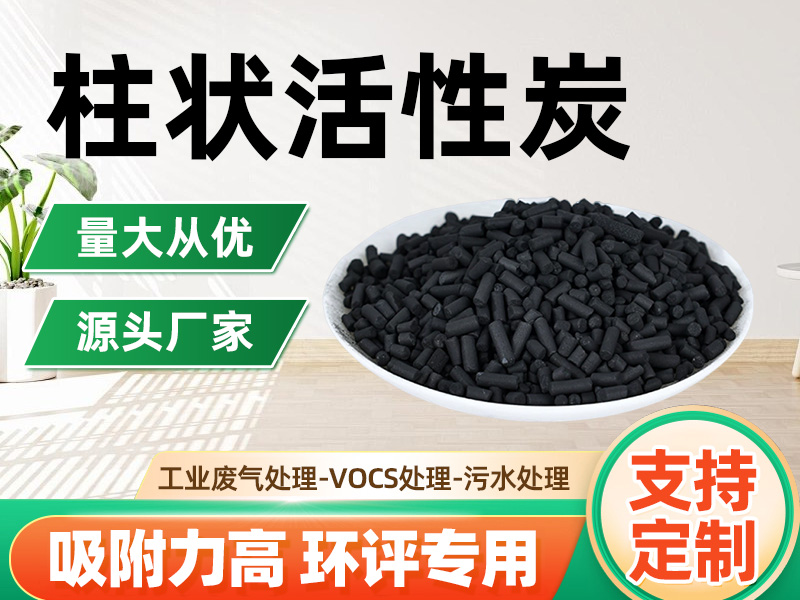
Factors Influencing Coconut Shell Activated Carbon Price Per Ton
The price of coconut shell activated carbon per ton can vary significantly based on several factors. Understanding these factors can help you make an informed decision when purchasing this material.
1. Raw Material Quality
The quality of the coconut shells used as raw material plays a crucial role in determining the price of activated carbon. High-quality coconut shells with minimal impurities and consistent size distribution tend to produce activated carbon with superior adsorption properties, thus commanding a higher price.
2. Activation Process
The activation process, which involves heating the coconut shells in the presence of a gas or chemical agent to create pores, also affects the price. Different activation methods, such as physical activation (using steam or carbon dioxide) and chemical activation (using phosphoric acid or potassium hydroxide), can result in varying costs. Physical activation is generally more expensive but produces activated carbon with higher purity and better environmental compatibility.
3. Purity and Grade
Activated carbon is available in different grades and purities, depending on the intended application. Higher-grade activated carbon with lower ash content and higher iodine number (a measure of adsorption capacity) typically costs more. For instance, activated carbon used in pharmaceutical or food processing applications requires a higher purity level than that used in general industrial water treatment.
4. Market Demand and Supply
Like any other commodity, the price of coconut shell activated carbon is influenced by market demand and supply dynamics. During periods of high demand, such as during environmental regulations tightening or increased industrial activity, prices may rise. Conversely, during periods of oversupply, prices may decrease.
5. Supplier Reputation and Location
The reputation and location of the supplier also play a role in determining the price. Established suppliers with a track record of providing high-quality products and reliable service may charge a premium for their products. Additionally, suppliers located in regions with higher production costs, such as labor and transportation, may also have higher prices.
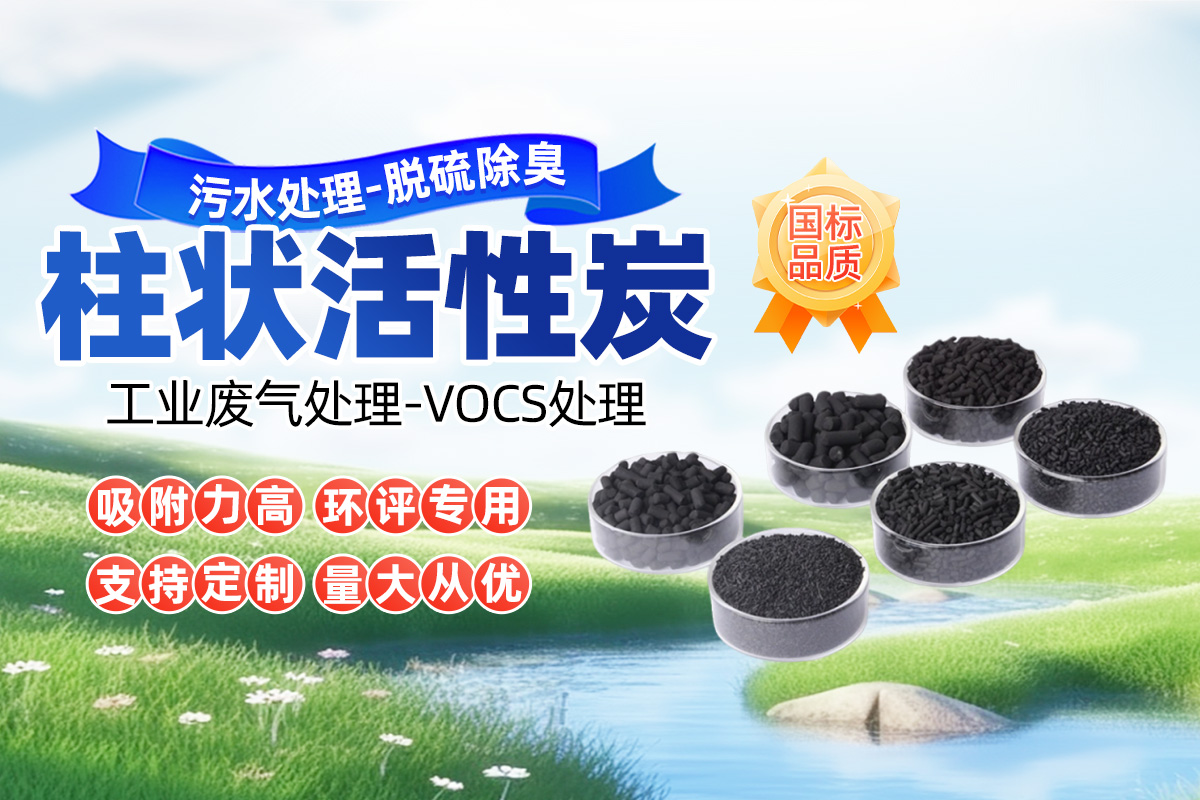
How to Select a Reliable Supplier for Coconut Shell Activated Carbon
Choosing a reliable supplier is crucial to ensure that you get high-quality coconut shell activated carbon at a reasonable price. Here are some tips to help you make the right choice:
1. Research Supplier Reputation
Start by researching the reputation of potential suppliers. Look for reviews and testimonials from previous customers to gauge their satisfaction levels. You can also check industry forums and trade publications for information on reputable suppliers.
2. Evaluate Product Quality
Request samples from potential suppliers to evaluate the quality of their activated carbon. Test the samples for key parameters such as iodine number, ash content, and moisture content to ensure they meet your requirements.
3. Compare Prices
Obtain quotes from multiple suppliers to compare prices. However, be cautious of suppliers offering significantly lower prices than others, as this may indicate compromised quality. Instead, look for suppliers offering competitive prices while maintaining high product standards.
4. Check Certifications and Compliance
Ensure that the supplier has the necessary certifications and complies with relevant industry standards and regulations. This includes certifications such as ISO 9001 for quality management and NSF/ANSI 61 for drinking water system components.
5. Assess Customer Service
Good customer service is essential for a smooth purchasing experience. Evaluate the responsiveness and professionalism of the supplier’s customer service team. A reliable supplier should be able to answer your questions promptly and provide assistance throughout the purchasing process.
Applications of Coconut Shell Activated Carbon
Coconut shell activated carbon has a wide range of applications across various industries. Some of the key applications include:
- Water Treatment: Activated carbon is widely used in water treatment plants to remove chlorine, organic compounds, and other impurities from drinking water and wastewater. Its high adsorption capacity makes it effective in improving water quality and taste.
- Air Purification: Activated carbon is also used in air purification systems to remove volatile organic compounds (VOCs), odors, and other airborne contaminants. It is commonly found in air filters, respirators, and industrial air scrubbers.
- Food and Beverage Industry: In the food and beverage industry, activated carbon is used for decolorization, deodorization, and purification of various products such as sugar, alcohol, and juice. Its non-toxic nature makes it safe for use in food processing applications.
- Pharmaceutical Industry: Activated carbon is used in the pharmaceutical industry for purification and decolorization of drugs and pharmaceutical intermediates. Its high purity level ensures that it does not introduce any impurities into the final product.
- Gold Recovery: In the mining industry, activated carbon is used for gold recovery from cyanide leach solutions. Its high adsorption capacity for gold cyanide complexes makes it an effective and efficient method for gold extraction.
| Parameter | Description |
|---|---|
| Iodine Number | A measure of the adsorption capacity of activated carbon, typically ranging from 800 to 1200 mg/g for coconut shell activated carbon. |
| Ash Content | The percentage of inorganic residue remaining after combustion of activated carbon, typically less than 5% for high-quality coconut shell activated carbon. |
| Moisture Content | The percentage of water present in activated carbon, typically less than 10% for dried coconut shell activated carbon. |
| Particle Size Distribution | The range of particle sizes in activated carbon, which affects its flowability and adsorption kinetics. Coconut shell activated carbon is available in various particle sizes to suit different applications. |
FAQ
What is the average price of coconut shell activated carbon per ton?
The average price of coconut shell activated carbon per ton can vary based on factors such as raw material quality, activation process, and market demand. Generally, prices range from $1,500 to $3,000 per ton, but it’s essential to obtain quotes from multiple suppliers to get an accurate estimate.
How can I ensure the quality of coconut shell activated carbon?
To ensure the quality of coconut shell activated carbon, request samples from potential suppliers and test them for key parameters such as iodine number, ash content, and moisture content. Additionally, check for relevant certifications and compliance with industry standards.
What are the main applications of coconut shell activated carbon?
Coconut shell activated carbon has a wide range of applications, including water treatment, air purification, food and beverage processing, pharmaceutical purification, and gold recovery in the mining industry.
How does the activation process affect the price of coconut shell activated carbon?
The activation process, whether physical or chemical, can affect the price of coconut shell activated carbon. Physical activation, which uses steam or carbon dioxide, is generally more expensive but produces activated carbon with higher purity and better environmental compatibility.
What factors should I consider when selecting a supplier for coconut shell activated carbon?
When selecting a supplier for coconut shell activated carbon, consider factors such as reputation, product quality, price, certifications and compliance, and customer service. A reliable supplier should offer high-quality products at competitive prices while providing excellent customer support.
Summary
Coconut shell activated carbon is a versatile and effective material for various applications, particularly in water treatment and air purification. The price per ton of coconut shell activated carbon can vary based on factors such as raw material quality, activation process, and market demand. To ensure you get high-quality activated carbon at a reasonable price, it’s essential to select a reliable supplier with a track record of providing excellent products and service. By understanding the factors influencing the price and the applications of coconut shell activated carbon, you can make an informed decision that meets your specific needs.