
Citric acid has become an indispensable chemical compound across numerous industries, from food and beverage production to water treatment and industrial cleaning. As a leading international trading company specializing in water treatment materials, Murong (Shanghai) International Trading Co., Ltd. has accumulated extensive expertise in citric acid supply and application. This comprehensive guide will walk you through everything you need to know about selecting the right citric acid for your specific needs, whether for food processing or industrial applications.
Understanding Citric Acid Grades and Specifications
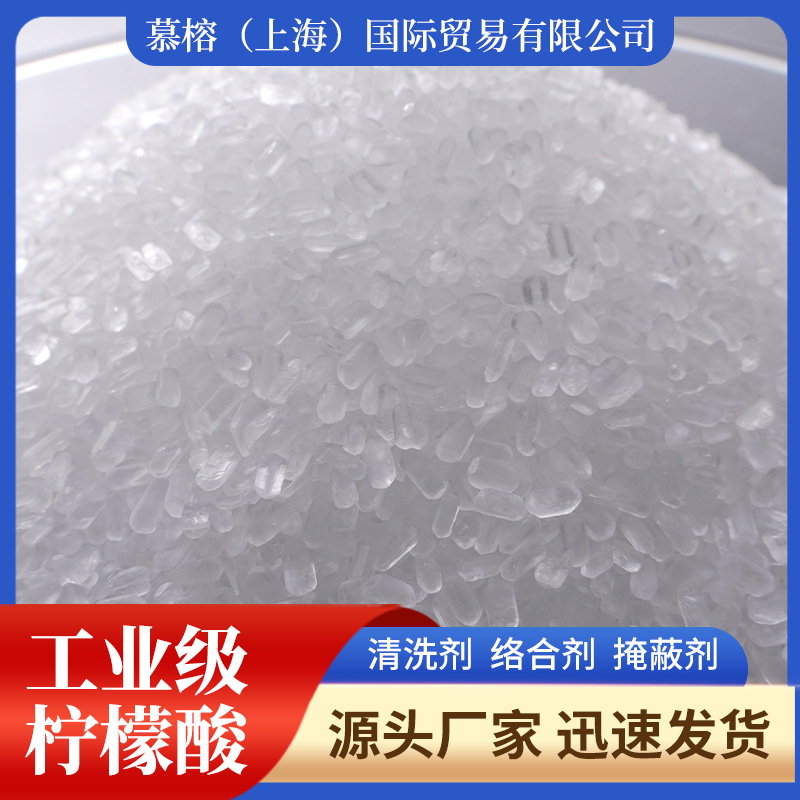
Citric acid comes in two primary grades that serve different purposes: food grade and industrial grade. Each grade has specific characteristics and quality standards that make them suitable for their intended applications. Food grade citric acid must meet stringent purity requirements and regulatory standards to ensure safety for human consumption, while industrial grade citric acid focuses more on functional performance in non-food applications.
The chemical formula for citric acid remains consistent across grades (C6H8O7), but the production process and purification levels create important distinctions. Food grade citric acid typically contains 99.5-100.5% pure citric acid with minimal impurities, while industrial grade may allow for slightly lower purity levels depending on the application. Our company sources both grades from certified manufacturers who adhere to international quality standards including ISO, HACCP, and relevant food safety certifications.
When selecting citric acid, understanding these specifications is crucial. For food applications, always verify that the product meets your country’s food additive regulations. Industrial users should focus on parameters like moisture content, sulfate ash, and heavy metal levels that affect performance in specific processes. Our technical team can provide detailed specification sheets for all our citric acid products to help you make informed decisions.
Key Factors in Food Grade Citric Acid Selection
Choosing the right food grade citric acid requires careful consideration of several critical factors that impact both product quality and regulatory compliance. First and foremost is purity level – premium food grade citric acid should contain at least 99.5% pure citric acid with minimal residual solvents and heavy metals. Our company sources from manufacturers who implement advanced purification processes to achieve this high purity standard.
Another essential consideration is the manufacturing process. Fermentation-based production using natural substrates like molasses or corn starch generally produces higher quality food grade citric acid compared to synthetic methods. This natural fermentation process results in fewer byproducts and contaminants, making the final product safer for food applications. All our food grade citric acid comes from GMP-certified facilities that follow strict quality control protocols throughout production.
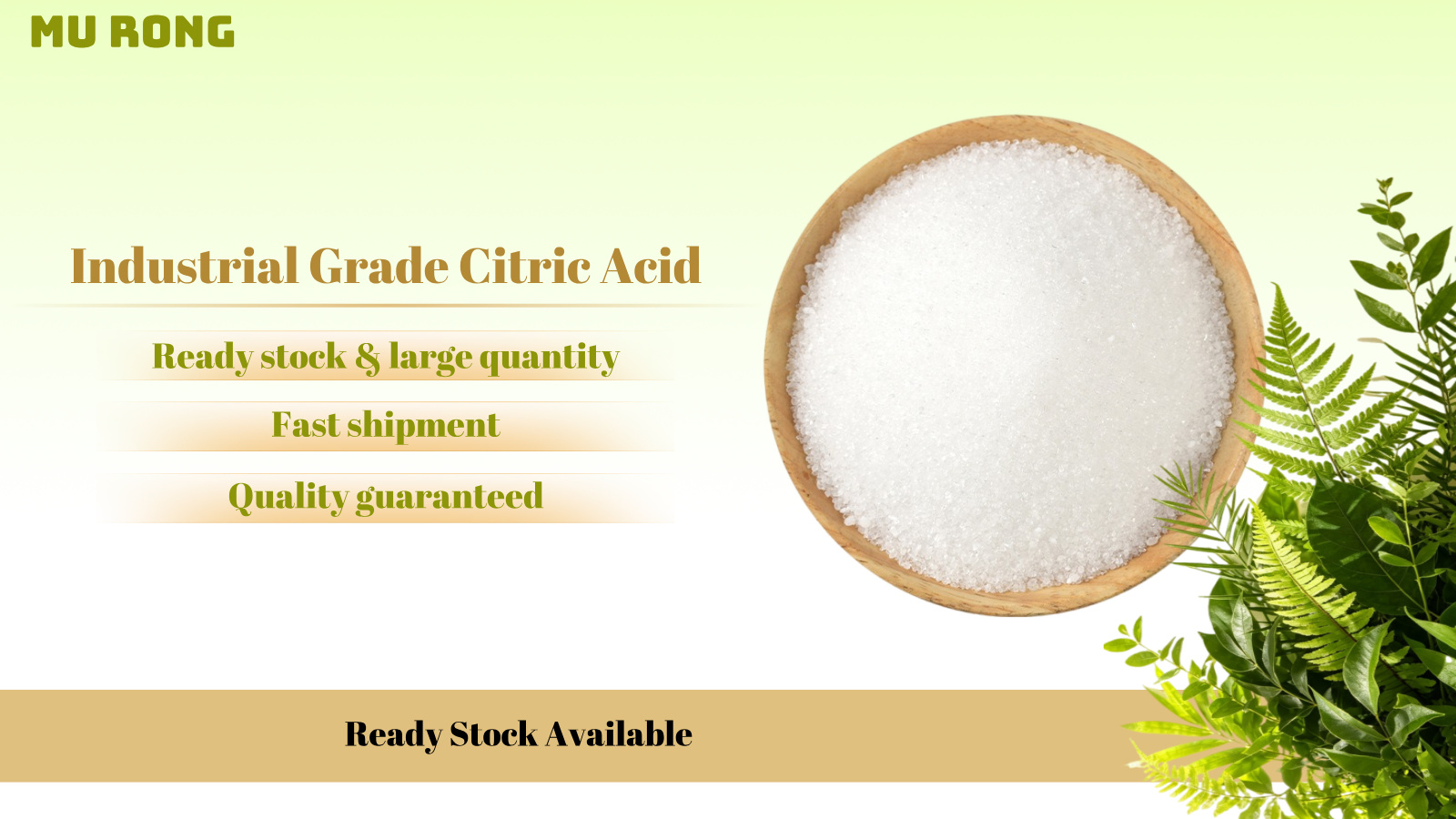
Packaging and storage conditions also play a vital role in maintaining citric acid quality. Food grade products should be packaged in food-grade materials that prevent contamination and moisture ingress. Our standard packaging includes 25kg multi-layer paper bags with PE liners, designed to protect the product during transportation and storage. We also offer customized packaging solutions for bulk buyers with special requirements.
Certification is another critical factor when selecting food grade citric acid. Reputable suppliers should provide documentation proving compliance with relevant food safety standards such as FDA, EFSA, or local regulatory requirements. Our company maintains complete traceability for all food grade products, from raw material sourcing to final delivery, ensuring full regulatory compliance for our international clients.
Common Applications of Food Grade Citric Acid
The versatility of food grade citric acid makes it valuable across multiple food industry segments. In beverage production, it serves as a natural acidulant that provides tartness while enhancing flavor stability. The food industry also uses citric acid as a preservative to prevent microbial growth and extend shelf life in products like jams, canned fruits, and meat products.
Confectionery manufacturers rely on citric acid to control pH levels in candy production, preventing sugar crystallization and maintaining smooth texture. In dairy products, it helps stabilize casein proteins and improve the consistency of processed cheeses. The baking industry uses citric acid as a leavening agent alternative in certain formulations, particularly for vegan products.
- Beverage acidulation and flavor enhancement
- Food preservation and shelf-life extension
- Confectionery texture control and pH adjustment
- Dairy product stabilization and processing
- Baking industry leavening agent alternative
Industrial Grade Citric Acid: Manufacturing and Application Insights
While sharing the same chemical composition as food grade, industrial grade citric acid serves entirely different purposes across various sectors. The manufacturing process for industrial grade may allow for slightly lower purity levels, as the focus shifts to functional performance rather than human consumption safety. Our industrial citric acid typically contains 95-99.5% pure citric acid, with specifications tailored to specific industrial applications.
One of the primary industrial applications is water treatment, where citric acid serves as an effective chelating agent for metal ion removal. Its ability to bind with calcium, magnesium, and other minerals makes it ideal for descaling boilers, cooling towers, and reverse osmosis systems. The food and beverage industry also uses industrial grade citric acid for cleaning-in-place (CIP) systems, where its natural origin and biodegradability offer advantages over synthetic chemicals.
The construction industry utilizes citric acid as a concrete admixture to delay setting time and improve workability in hot weather conditions. In the textile sector, it functions as a chelating agent in dyeing processes to ensure uniform color distribution. The pharmaceutical industry employs citric acid in tablet coating formulations and as a buffering agent in liquid preparations.
| Industry | Application | Benefit |
|---|---|---|
| Water Treatment | Metal ion removal, descaling | Effective chelating agent, biodegradable |
| Construction | Concrete admixture | Delays setting time, improves workability |
| Textile | Dyeing process | Ensures uniform color distribution |
| Pharmaceutical | Tablet coating, buffering agent | Natural origin, pH control |
Selecting the Right Citric Acid Manufacturer
Choosing a reliable citric acid manufacturer requires evaluating several critical factors that impact product quality, supply stability, and long-term partnership potential. First, assess the manufacturer’s production capacity and technical capabilities. A reputable industrial grade citric acid manufacturer should have modern fermentation facilities with annual production capacities exceeding 50,000 metric tons to ensure consistent supply.
Quality control systems represent another essential consideration. Look for manufacturers with ISO 9001 certification and comprehensive testing protocols that cover every production batch. For food grade applications, additional certifications like ISO 22000, HACCP, and Kosher/Halal certifications demonstrate commitment to food safety standards. Our company only partners with manufacturers who maintain these rigorous quality assurance systems.
Environmental responsibility is becoming increasingly important in citric acid production. Sustainable manufacturers implement water recycling systems, energy-efficient processes, and waste reduction measures. Some leading producers even generate renewable energy from production byproducts, significantly reducing their carbon footprint. When selecting suppliers, consider their environmental policies and sustainability certifications.
Technical support capabilities distinguish professional manufacturers from commodity suppliers. A reliable partner should offer application expertise, custom formulation services, and troubleshooting assistance. Our technical team works closely with manufacturers to develop specialized citric acid products for unique industrial applications, providing our clients with tailored solutions rather than off-the-shelf products.
FAQ
What’s the main difference between food grade and industrial grade citric acid?
The primary difference lies in purity levels and intended applications. Food grade citric acid must meet stringent purity requirements (typically 99.5-100.5%) and regulatory standards for human consumption, while industrial grade focuses on functional performance with slightly lower purity (95-99.5%) depending on the application. All our food grade products come with complete certification for international food safety standards.
How can I verify the quality of citric acid before purchase?
Request a detailed specification sheet and certificate of analysis (CoA) from your supplier. Key parameters to check include purity percentage, moisture content, sulfate ash, heavy metals, and residual solvents. For food grade applications, verify relevant certifications like FDA, EFSA, or local regulatory approvals. Our company provides complete traceability documentation for all products.
What industries commonly use industrial grade citric acid?
Industrial citric acid serves multiple sectors including water treatment (descaling, metal ion removal), construction (concrete admixture), textiles (dyeing assistant), pharmaceuticals (tablet coating), and cleaning industries (chelating agent). Its versatility comes from its ability to chelate metal ions and adjust pH levels in various processes.
How does citric acid improve water treatment efficiency?
In water treatment, citric acid acts as a natural chelating agent that binds with calcium, magnesium, and other metal ions that cause scaling. This prevents mineral deposits from forming on equipment surfaces, improving heat transfer efficiency in boilers and cooling systems. Its biodegradability makes it an environmentally friendly alternative to synthetic chemicals.
What packaging options are available for bulk citric acid purchases?
We offer flexible packaging solutions to meet different transportation and storage requirements. Standard options include 25kg multi-layer paper bags with PE liners for food grade products, and 1000kg bulk bags for industrial grade applications. We can also provide customized packaging based on specific client needs and transportation regulations.
Summary
Selecting the right citric acid requires careful consideration of grade specifications, application requirements, and supplier capabilities. Food grade applications demand the highest purity levels and complete regulatory compliance, while industrial uses focus on functional performance and cost-effectiveness. As a professional international trading company specializing in water treatment materials, Murong (Shanghai) International Trading Co., Ltd. offers comprehensive solutions for both food grade and industrial grade citric acid needs.
Our expertise in sourcing from certified manufacturers, combined with technical support and logistics services, ensures our clients receive high-quality products tailored to their specific requirements. Whether you need food grade citric acid for beverage production or industrial grade for water treatment applications, our team can provide the right solution with complete documentation and reliable supply.