
When it comes to industrial water treatment and purification processes, coconut shell activated carbon stands out as one of the most effective and widely used materials. Its high porosity, large surface area, and excellent adsorption capacity make it ideal for removing contaminants, odors, and colors from water and air. However, for businesses looking to source this material, one of the most critical questions is: What is the coconut shell activated carbon price per ton from reliable suppliers?
This comprehensive guide will explore the factors influencing coconut shell activated carbon pricing, help you identify authoritative suppliers, and provide insights into selecting the most cost-effective solution for your industrial needs.
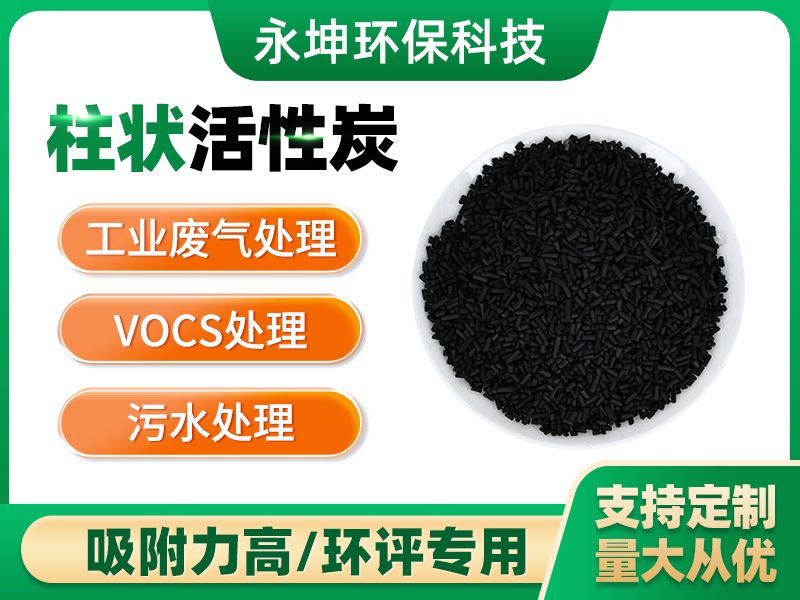
Understanding Coconut Shell Activated Carbon
Coconut shell activated carbon is produced by carbonizing and activating coconut shells through a controlled process. The activation can be done using either steam or chemical methods, with steam activation being the more environmentally friendly option. The result is a highly porous material with millions of tiny pores that provide an enormous surface area for adsorption.
This material is particularly valued in industrial applications for its:
- High mechanical strength and hardness
- Excellent resistance to abrasion
- Superior adsorption capacity for organic compounds
- Low ash content
- Renewable and sustainable source material
These properties make coconut shell activated carbon ideal for water treatment, air purification, gold recovery, and various chemical processing applications.
Factors Influencing Coconut Shell Activated Carbon Price Per Ton
The pricing of coconut shell activated carbon varies significantly based on several key factors. Understanding these elements can help you make informed purchasing decisions and find the most cost-effective solution for your needs.
1. Quality and Grade
Activated carbon comes in different grades based on its iodine number, particle size distribution, and other quality parameters. Higher-grade products with better adsorption capacity typically command higher prices. For industrial applications requiring maximum purification efficiency, investing in premium-grade carbon may be justified despite the higher cost.
2. Production Process
The method used to activate the carbon affects both its quality and cost. Steam-activated carbon generally costs more than chemically activated carbon due to the more energy-intensive process and superior product quality. However, steam activation is considered more environmentally friendly.
3. Packaging and Delivery
The cost of packaging materials and transportation to your facility significantly impacts the final price per ton. Bulk purchases in large containers or direct shipments from the manufacturing plant can reduce costs compared to smaller, more frequent orders.
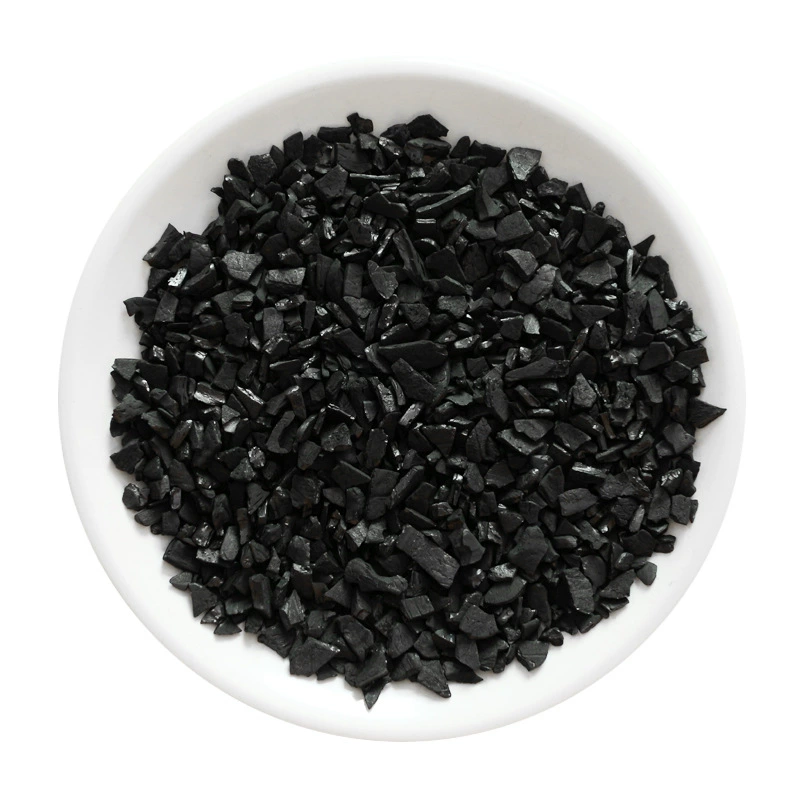
4. Supplier Reputation and Location
Established suppliers with a proven track record of quality and reliability often charge premium prices. However, working with reputable companies can save money in the long run through consistent product quality, reliable delivery, and better customer support. Geographic location also plays a role, with suppliers closer to your facilities potentially offering lower shipping costs.
5. Market Demand and Raw Material Availability
Fluctuations in coconut shell availability and global demand for activated carbon can affect pricing. During periods of high demand or limited raw material supply, prices may increase. Building relationships with suppliers who maintain stable inventory levels can help mitigate these fluctuations.
Comparing Coconut Shell Activated Carbon Suppliers
When evaluating potential suppliers for coconut shell activated carbon, consider the following criteria to ensure you’re getting the best value for your investment:
| Evaluation Criteria | Importance | What to Look For |
|---|---|---|
| Product Quality | High | Consistent specifications, third-party testing reports, certifications |
| Production Capacity | Medium | Ability to meet your volume requirements without delays |
| Technical Support | High | Knowledgeable staff to assist with product selection and application |
| Pricing Structure | High | Transparent pricing with volume discounts and flexible terms |
| Delivery Reliability | High | On-time delivery record, inventory management capabilities |
| Industry Experience | Medium | Proven track record in your specific industry or application |
Murong (Shanghai) International Trade Co., Ltd.: A Trusted Supplier
Based in Shanghai, Murong (Shanghai) International Trade Co., Ltd. specializes in the international trade of water treatment materials, including high-quality coconut shell activated carbon. With years of industry experience and a team of professionals, the company has established itself as a reliable partner for businesses worldwide.
Key advantages of working with Murong include:
- Strict quality control processes ensuring consistent product performance
- Competitive pricing achieved through efficient supply chain management
- Flexible packaging options to meet different transportation and storage needs
- Professional technical support to help optimize your activated carbon usage
- Commitment to sustainable practices in sourcing and production
The company’s product range includes various grades of coconut shell activated carbon suitable for different industrial applications, from basic water filtration to high-purity pharmaceutical processes.
FAQ
What is the typical coconut shell activated carbon price per ton from Chinese suppliers?
Prices vary based on quality and specifications, but generally range from $1,200 to $2,500 per ton for standard grades. Premium grades may cost more. Murong offers competitive pricing based on your specific requirements and order volume.
How can I verify the quality of coconut shell activated carbon before purchasing?
Reputable suppliers like Murong provide detailed product specifications and third-party test reports. Key parameters to check include iodine number, particle size distribution, ash content, and moisture content. Sample testing is also recommended for critical applications.
What are the main differences between coconut shell activated carbon and other types?
Coconut shell activated carbon typically has higher mechanical strength, lower ash content, and better resistance to abrasion compared to coal-based or wood-based carbons. It also has a more uniform pore structure, making it effective for removing a wide range of contaminants.
How does Murong ensure consistent product quality across different batches?
Murong implements strict quality control measures at every stage of production, from raw material inspection to final product testing. The company works with trusted manufacturers who follow standardized production processes and maintain detailed batch records for traceability.
What is the minimum order quantity for coconut shell activated carbon from Murong?
The minimum order quantity depends on the specific product and packaging requirements. Murong offers flexible ordering options to accommodate both small-scale testing and large industrial purchases. Contact their sales team for detailed information based on your needs.
Summary
Finding the right coconut shell activated carbon price per ton requires careful consideration of quality, supplier reputation, and your specific application requirements. While cost is an important factor, it shouldn’t be the sole determinant when selecting a supplier. Working with authoritative companies like Murong (Shanghai) International Trade Co., Ltd. ensures you receive high-quality products backed by professional service and support.
By understanding the factors influencing pricing and evaluating suppliers based on comprehensive criteria, you can make informed purchasing decisions that deliver long-term value for your industrial water treatment or purification processes. Remember to request detailed product specifications, sample testing, and references when evaluating potential suppliers to ensure you’re getting the best combination of quality and price for your coconut shell activated carbon needs.