
When it comes to selecting food grade citric acid for your industrial or commercial applications, making the right choice is crucial for ensuring product quality, safety, and performance. As a leading international trading company specializing in water treatment materials, Murong (Shanghai) International Trading Co., Ltd. understands the complexities and challenges involved in sourcing high-quality food grade citric acid. This comprehensive guide will walk you through the essential factors to consider when selecting food grade citric acid, helping you make informed decisions that align with your specific requirements.

Understanding Food Grade Citric Acid Specifications
Food grade citric acid must meet stringent quality standards to ensure its safety for consumption and suitability for food processing applications. The primary specification to consider is purity level, which typically ranges from 99.0% to 99.9% for food grade products. Higher purity levels indicate fewer impurities and better quality, making them preferable for sensitive applications.
Another critical specification is heavy metal content. Food grade citric acid should have extremely low levels of heavy metals such as lead, arsenic, and mercury, as these can be harmful when ingested. Reputable suppliers will provide detailed certificates of analysis (COA) showing compliance with international food safety standards like FDA, EFSA, or GB (Chinese National Standard).
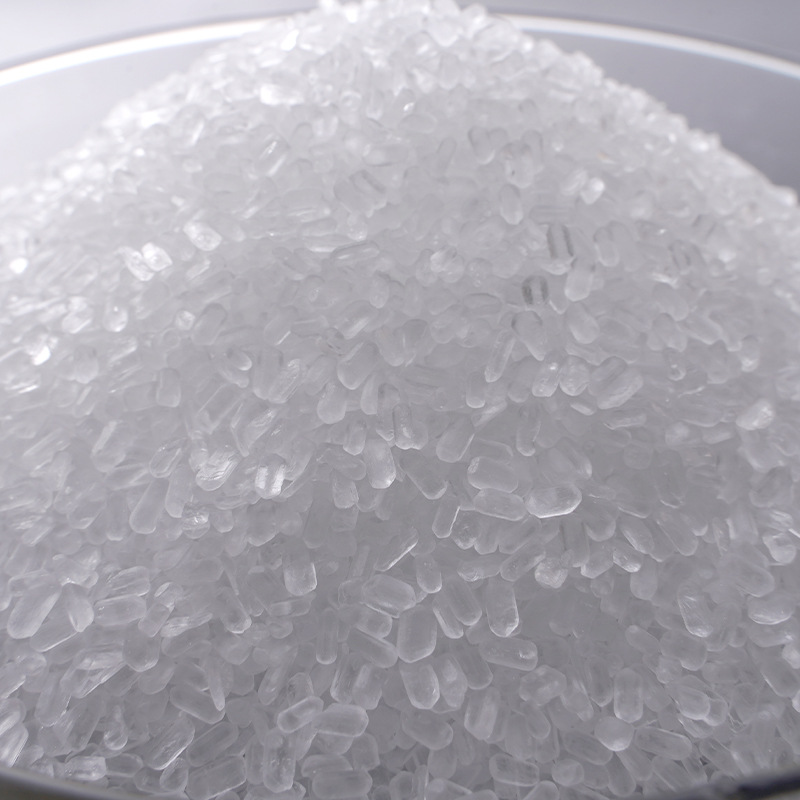
Particle size distribution is also important, as it affects the solubility and handling characteristics of the product. Food grade citric acid is commonly available in anhydrous (powder) or monohydrate (crystal) forms, each with different particle size specifications suited to various applications.
Key Factors in Selecting Food Grade Citric Acid
When evaluating potential suppliers and products, several key factors should guide your selection process:
1. Certification and Compliance
Ensure the product holds relevant food safety certifications such as ISO 22000, HACCP, or Kosher/Halal certifications if required for your market. The supplier should be able to provide documentation proving compliance with local and international food regulations.
2. Manufacturing Process
The production method significantly impacts product quality. Food grade citric acid is typically produced through fermentation using high-quality raw materials like molasses or corn starch. Inquire about the supplier’s manufacturing process and quality control measures.
3. Packaging and Storage
Proper packaging is essential to maintain product quality during storage and transportation. Food grade citric acid should be packaged in clean, food-grade materials that protect it from moisture and contamination. Consider the supplier’s storage conditions and shelf life guarantees.
4. Supply Chain Reliability
Evaluate the supplier’s ability to provide consistent quality and reliable delivery schedules. A reputable supplier should have robust quality management systems and contingency plans to ensure uninterrupted supply.
5. Technical Support and Documentation
Choose a supplier that offers comprehensive technical support, including detailed product specifications, safety data sheets (SDS), and usage recommendations. This support is invaluable for ensuring proper handling and application of the product.
Applications of Food Grade Citric Acid
Food grade citric acid finds widespread use across various industries due to its versatile properties:
- Food and Beverage Industry: Used as an acidulant, preservative, and flavor enhancer in soft drinks, candies, jams, and canned foods.
- Pharmaceutical Industry: Serves as an excipient in tablet formulations and as a buffering agent in liquid medications.
- Cosmetics and Personal Care: Found in skincare products, shampoos, and bath products for its pH-adjusting and chelating properties.
- Cleaning Products: Acts as a natural chelating agent in household cleaners and descaling solutions.
- Water Treatment: Used for pH adjustment and as a sequestering agent in industrial water treatment processes.
Understanding your specific application requirements will help you select the most appropriate grade and form of citric acid. For example, food processing applications may require finer particle sizes for better solubility, while industrial applications might prioritize cost-effectiveness over particle size uniformity.
| Parameter | Food Grade Requirement | Industrial Grade |
|---|---|---|
| Purity | ≥99.5% | ≥99.0% |
| Heavy Metals (Pb) | ≤2 mg/kg | ≤10 mg/kg |
| Sulfate Ash | ≤0.05% | ≤0.1% |
| Readily Carbonizable Substances | Passes test | Not specified |
Recommended Suppliers of Food Grade Citric Acid
Based on our extensive experience in the international trading of water treatment materials, we recommend considering suppliers who demonstrate:
1. Proven Track Record: Look for companies with years of experience in producing and supplying food grade chemicals.
2. Comprehensive Certifications: Prioritize suppliers holding multiple food safety certifications and regularly undergoing third-party audits.
3. Global Reach: Choose suppliers with established distribution networks that can efficiently serve international markets.
4. Technical Expertise: Opt for companies that provide excellent technical support and can offer application-specific advice.
5. Sustainable Practices: Consider suppliers committed to environmentally responsible manufacturing processes and packaging solutions.
FAQ
What is the difference between food grade and industrial grade citric acid?
Food grade citric acid has higher purity standards and stricter controls on impurities like heavy metals compared to industrial grade. It’s manufactured under conditions that prevent contamination and is suitable for consumption, while industrial grade may contain higher levels of impurities and is intended for non-food applications.
How can I verify the quality of food grade citric acid?
Request a detailed Certificate of Analysis (COA) from the supplier that includes purity percentage, heavy metal content, and results for other relevant quality tests. Reputable suppliers will also provide safety data sheets (SDS) and may offer samples for your own testing.
What packaging options are available for food grade citric acid?
Common packaging includes 25kg bags, 500kg or 1000kg super sacks, and bulk tanker trucks for large quantities. Ensure the packaging is food-grade and properly sealed to prevent moisture absorption and contamination during storage and transportation.
How should food grade citric acid be stored?
Store in a cool, dry place away from direct sunlight and moisture. The product should be kept in its original sealed packaging until use. Properly stored, food grade citric acid can maintain its quality for up to 3 years from the date of manufacture.
What are the typical lead times for food grade citric acid orders?
Lead times vary depending on the supplier’s location, production schedule, and your order quantity. For regular stock items, lead times may be as short as 1-2 weeks, while custom orders or large quantities might require 4-6 weeks or more. Always confirm current lead times with your supplier.
Summary
Selecting the right food grade citric acid requires careful consideration of purity specifications, manufacturing processes, certification standards, and supplier reliability. By understanding your specific application requirements and evaluating potential suppliers against these critical factors, you can make an informed decision that ensures product quality, safety, and performance. Remember to request comprehensive documentation, including certificates of analysis and safety data sheets, to verify product quality and compliance with food safety regulations. Partnering with a reputable supplier that offers technical support and reliable delivery can provide significant advantages for your business operations.