
Selecting the right anthracite filter media is crucial for achieving optimal performance in industrial water treatment applications. As a key component in filtration systems, anthracite’s unique properties make it an excellent choice for removing impurities from water. However, with numerous suppliers and product variations available in the market, choosing the most suitable anthracite filter media can be challenging. This comprehensive guide will walk you through the essential factors to consider when making your selection, provide recommendations for reputable suppliers, and offer practical tips for evaluating product quality.
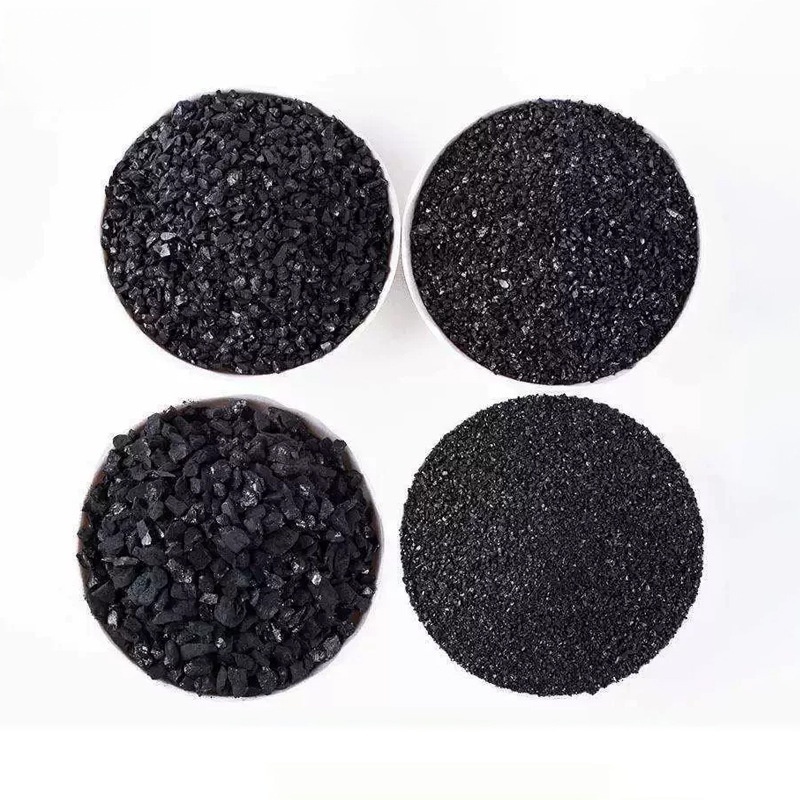
Understanding Anthracite Filter Media
Anthracite filter media is a specially processed form of coal that has undergone high-temperature carbonization. This process results in a hard, durable material with excellent filtration properties. The key characteristics that make anthracite ideal for water treatment include:
- High porosity: Provides excellent surface area for particle capture
- Chemical stability: Resistant to most chemicals and pH variations
- Mechanical strength: Withstands backwashing and operational stresses
- Low density: Allows for proper fluidization during backwashing
- Uniform particle size: Ensures consistent filtration performance
These properties enable anthracite filter media to effectively remove suspended solids, organic matter, and some dissolved contaminants from water. It’s commonly used in both single-media and multi-media filtration systems, often combined with sand or garnet for enhanced performance.
Key Factors to Consider When Selecting Anthracite Filter Media
Choosing the right anthracite filter media involves evaluating several critical parameters that affect filtration efficiency and system longevity. Here are the most important factors to consider:
1. Particle Size Distribution
The particle size range significantly impacts filtration performance. Most anthracite filter media is available in size ranges such as 0.6-1.2mm, 0.8-1.6mm, or 1.0-2.0mm. The appropriate size depends on your specific application:
- Smaller particles: Better for fine filtration but may require more frequent backwashing
- Larger particles: Allow higher flow rates but may not capture very fine particles
For multi-media filters, the anthracite layer typically uses larger particles than the sand layer beneath it, creating a graded density filter bed.
2. Uniformity Coefficient
The uniformity coefficient (UC) measures the distribution of particle sizes in the media. A lower UC indicates more uniform particles, which generally provides better filtration performance. Look for anthracite with a UC of 1.5 or less for optimal results.
3. Hardness and Abrasion Resistance
The media should be hard enough to withstand backwashing and operational stresses without breaking down. This is typically measured by the Mohs hardness scale (anthracite usually ranges from 2.5 to 3.5) or by specific abrasion resistance tests.
4. Acid Solubility
Low acid solubility indicates better chemical stability. High-quality anthracite should have acid solubility of less than 2% to ensure it won’t dissolve or degrade in most water treatment environments.
5. Density
The bulk density of anthracite affects backwashing requirements and media bed expansion. Typical bulk densities range from 1.4 to 1.6 g/cm³. Lower density media requires less backwash water but may need more careful handling during installation.
6. Purity and Contaminant Levels
The anthracite should be free from contaminants that could leach into the treated water. Reputable suppliers will provide analysis certificates showing low levels of heavy metals, volatile organic compounds (VOCs), and other potential pollutants.
7. Supplier Reputation and Certifications
Choose a supplier with a proven track record in the water treatment industry. Look for certifications such as ISO 9001 (quality management), NSF/ANSI 61 (safe for drinking water), or other relevant industry standards.
Recommended Suppliers of High-Quality Anthracite Filter Media
Based on industry reputation, product quality, and customer feedback, here are some recommended suppliers of anthracite filter media for international markets:
1. Murong (Shanghai) International Trading Co., Ltd.
As a specialized water treatment materials trader based in Shanghai, Murong offers a wide range of high-quality anthracite filter media. Their products are known for:
- Strict quality control throughout the production process
- Consistent particle size distribution and uniformity
- Competitive pricing for bulk orders
- Excellent customer service and technical support
- Compliance with international quality standards
Murong’s anthracite filter media is widely used in industrial water treatment, municipal water supply, and various filtration applications across Asia, Europe, and the Americas.
2. Other Reputable International Suppliers
While Murong offers excellent options for Asian and global markets, other well-regarded suppliers include:
- Cabot Corporation: Known for their Norit brand activated carbon products, they also offer high-quality anthracite for water filtration.
- Calgon Carbon Corporation: A global leader in water treatment solutions with a wide range of filtration media.
- Haycarb PLC: Specializes in activated carbon but also provides premium anthracite filter media.
- Jacobi Carbons: Offers a variety of filtration media including anthracite for different applications.
When evaluating suppliers, consider factors such as their production capacity, ability to meet your specific requirements, shipping logistics, and after-sales support.
How to Evaluate Anthracite Filter Media Quality
Before making a purchase, it’s essential to verify the quality of the anthracite filter media. Here are practical methods to assess product quality:
1. Request Sample Analysis
Reputable suppliers should provide detailed analysis reports for their products. Key parameters to look for include:
| Parameter | Acceptable Range |
|---|---|
| Particle Size Distribution | As specified by supplier (e.g., 0.6-1.2mm) |
| Uniformity Coefficient | ≤1.5 |
| Acid Solubility | ≤2% |
| Bulk Density | 1.4-1.6 g/cm³ |
| Moisture Content | ≤3% |
| Hardness (Mohs Scale) | 2.5-3.5 |
2. Visual Inspection
Examine a sample of the media for:
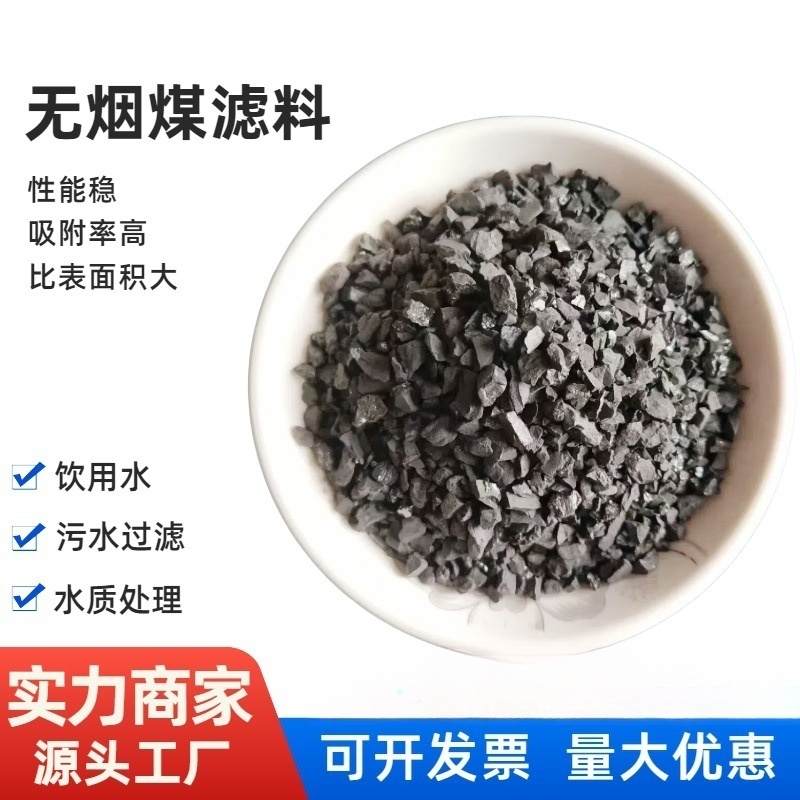
- Consistent particle size and shape
- Absence of dust or fine particles
- Uniform black color (indicating proper carbonization)
- No visible contaminants or foreign materials
3. Conduct Simple Tests
You can perform basic tests to evaluate the media:
- Settling test: Pour a sample into water and observe how quickly particles settle – uniform particles should settle at similar rates
- Acid test: Place a small amount in diluted hydrochloric acid (10%) – minimal bubbling indicates low acid solubility
- Hardness test: Gently crush a few particles between your fingers – they should be hard but not brittle
4. Check Supplier Certifications
Ensure the supplier has relevant certifications such as ISO 9001, NSF/ANSI 61, or other industry-specific quality standards. These certifications indicate that the supplier follows strict quality control procedures.
Common Applications of Anthracite Filter Media
Understanding the typical applications of anthracite filter media can help you determine if it’s the right choice for your needs:
- Municipal water treatment: Primary filtration in drinking water plants
- Industrial process water: Pre-filtration for boilers, cooling towers, and other equipment
- Wastewater treatment: Tertiary filtration to remove suspended solids
- Groundwater remediation: Filtration of contaminated groundwater
- Swimming pool filtration: As part of multi-media filters for pool water clarification
- Aquaculture: Water filtration for fish farms and hatcheries
- Food and beverage industry: Filtration of process water and product washing
The versatility of anthracite filter media makes it suitable for a wide range of filtration applications where high-quality water is required.
FAQ
What is the typical service life of anthracite filter media?
The service life depends on several factors including water quality, flow rates, backwashing frequency, and proper maintenance. Under normal conditions, anthracite filter media can last 5-10 years or more. Regular inspection and replacement of degraded media can extend the overall lifespan of your filtration system.
Can anthracite filter media be used alone or does it require other media?
Anthracite can be used as a single-media filter or as part of a multi-media filtration system. Single-media anthracite filters are effective for many applications, but combining it with sand or garnet in a multi-media configuration provides superior filtration by capturing particles of different sizes more efficiently.
How often should anthracite filter media be backwashed?
Backwashing frequency depends on water quality and system design. Typically, backwashing is performed when the pressure drop across the filter reaches a certain level (usually 7-10 psi above clean operating pressure) or at scheduled intervals (e.g., once per day). Proper backwashing is crucial for maintaining filter performance and preventing channeling.
What are the advantages of anthracite over other filtration media like sand?
Anthracite offers several advantages over sand: higher porosity for better particle capture, lighter weight reducing backwash water requirements, and better resistance to biological fouling. Its angular shape also helps prevent media compaction and channeling compared to rounded sand particles.
How should anthracite filter media be stored before use?
Store anthracite in a clean, dry area protected from direct sunlight and moisture. Keep it in its original packaging or in covered containers until ready for use. Avoid contact with oils, chemicals, or other contaminants that could affect water quality when the media is installed.
Summary
Selecting the right anthracite filter media is essential for achieving optimal performance in your water treatment system. By considering factors such as particle size distribution, uniformity coefficient, hardness, and chemical stability, you can choose a product that meets your specific requirements. Reputable suppliers like Murong (Shanghai) International Trading Co., Ltd. offer high-quality anthracite filter media that complies with international standards and provides reliable performance.
Remember to evaluate product quality through sample analysis, visual inspection, and simple tests before making a purchase. Proper installation and maintenance will ensure your anthracite filter media delivers long-lasting, effective filtration for your industrial or municipal water treatment needs.
For international buyers, consider factors such as the supplier’s ability to provide documentation, comply with shipping regulations, and offer technical support in your language. With careful selection and proper use, anthracite filter media can significantly improve the quality and efficiency of your water treatment processes.