
When it comes to industrial water treatment and purification processes, coconut shell activated carbon stands out as one of the most effective and widely used materials. As a premier international trading company based in Shanghai, Murong (Shanghai) International Trading Co., Ltd. specializes in providing high-quality water treatment materials to global clients, including coconut shell activated carbon, polyacrylamide, citric acid, and anthracite filter media.
Understanding the coconut shell activated carbon price per ton is crucial for industrial buyers looking to optimize their procurement strategies while maintaining quality standards. This comprehensive guide will walk you through everything you need to know about pricing factors, supplier selection, quality indicators, and how our company can help you make informed purchasing decisions.
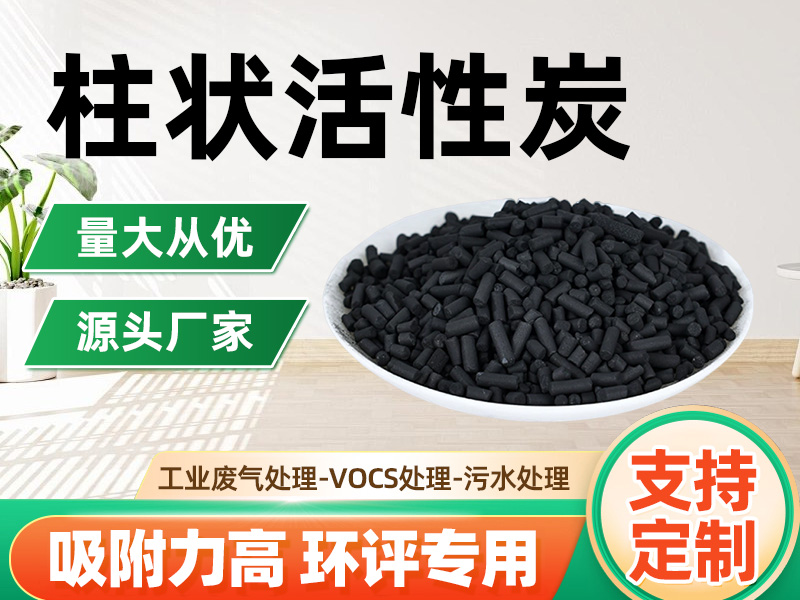
Understanding Coconut Shell Activated Carbon Pricing
The coconut shell activated carbon price per ton varies significantly based on several key factors. As an experienced international trader, we’ve identified the primary elements that influence pricing in the global market:
1. Raw Material Quality
The quality of coconut shells used as raw material directly impacts the final product’s performance and price. Premium-grade coconut shells from specific regions produce activated carbon with higher iodine numbers and better adsorption capacity, commanding premium prices in the market.
2. Activation Process
The manufacturing process – whether physical activation (steam) or chemical activation – affects both cost and quality. Physical activation typically produces higher-quality carbon but involves more energy consumption, contributing to higher prices.
3. Particle Size and Mesh
Different industrial applications require specific particle sizes. Finer meshes (higher numbers) are generally more expensive due to additional processing steps required to achieve uniform particle distribution.
4. Purity and Impurity Level
The level of ash content and other impurities affects pricing. Lower ash content (typically below 3%) indicates higher purity and better performance, justifying a higher price point.
5. Market Demand and Supply
Like any commodity, coconut shell activated carbon prices fluctuate based on global supply and demand dynamics. Seasonal variations in coconut harvests and industrial demand patterns influence pricing trends.
6. Packaging and Transportation
Bulk packaging options (super sacks vs. smaller bags) and shipping distances from production facilities to ports of export affect the final landed cost per ton.
| Price Influencing Factor | Impact on Price | Typical Range |
|---|---|---|
| Raw Material Quality | Premium quality adds 10-15% | $1,200-$2,500/ton |
| Activation Process | Physical activation adds 8-12% | $1,300-$2,800/ton |
| Particle Size (Mesh) | Finer meshes add 5-10% | $1,250-$2,600/ton |
| Purity Level | Low ash adds 15-20% | $1,400-$3,000/ton |
How to Select a Reliable Coconut Shell Activated Carbon Supplier
Choosing the right supplier is as important as understanding pricing factors. Based on our 15+ years of experience in international water treatment material trading, here are the key criteria to evaluate:
1. Certification and Compliance
Reputable suppliers should hold ISO 9001 quality management certification, NSF/ANSI 61 certification for drinking water applications, and other relevant industry certifications. Our company maintains all necessary certifications to ensure product compliance with international standards.
2. Production Capacity
Evaluate the supplier’s annual production capacity to ensure they can meet your volume requirements consistently. As a major international trader, we work with multiple manufacturing partners to guarantee stable supply even for large-scale projects.
3. Quality Control Systems
Inquire about their quality testing procedures. A reliable supplier should conduct regular batch testing for key parameters like iodine number, moisture content, ash content, and particle size distribution. We implement strict quality control at every stage from raw material inspection to final product testing.
4. Technical Support
The best suppliers offer technical assistance in product selection and application guidance. Our team of water treatment experts provides comprehensive support to help clients choose the most suitable activated carbon grade for their specific processes.
5. Logistics and Documentation
International trade requires proper documentation and efficient logistics management. We handle all customs clearance, shipping documentation, and transportation arrangements to ensure smooth delivery to your facility anywhere in the world.
6. After-Sales Service
Post-purchase support is crucial for resolving any issues that may arise. Our commitment to “customer-first” service means we’re always available to address concerns and provide solutions long after the initial purchase.
Comparing Coconut Shell Activated Carbon with Other Types
While coconut shell activated carbon offers excellent performance for many applications, it’s important to understand how it compares with other types:
- Coal-Based Activated Carbon: Generally less expensive but with lower surface area and adsorption capacity. Suitable for less demanding applications.
- Wood-Based Activated Carbon: Produced from sawdust or other wood waste. Good for decolorization but with lower mechanical strength than coconut shell.
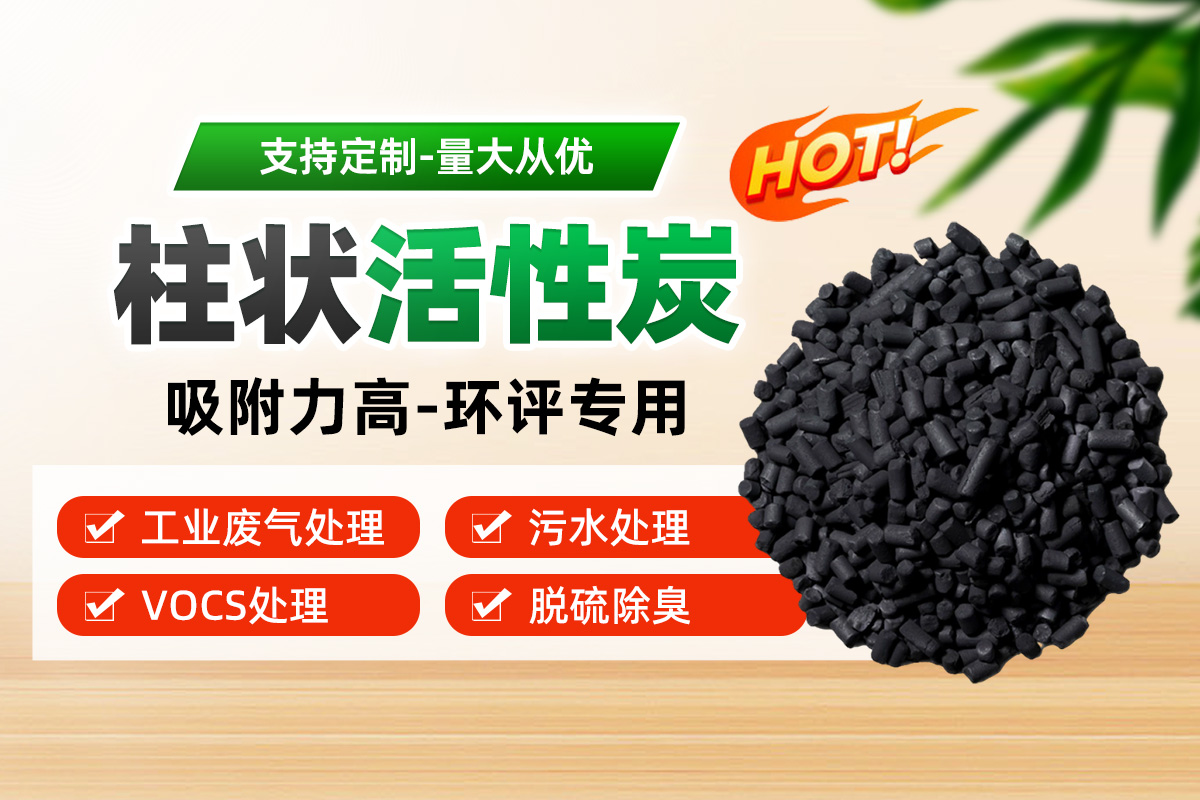
- Pelletized Activated Carbon: Extruded into cylindrical shapes for specific air purification applications. Not ideal for liquid phase applications.
Coconut shell activated carbon typically offers the best balance of adsorption capacity, mechanical strength, and purity for most industrial water treatment applications, justifying its slightly higher price point compared to alternative materials.
Key Applications Driving Demand
Understanding the primary applications helps explain why coconut shell activated carbon maintains strong demand despite higher pricing:
1. Drinking Water Purification
The material’s high purity and excellent adsorption of organic contaminants make it ideal for municipal water treatment plants and bottled water production.
2. Industrial Wastewater Treatment
Effective for removing heavy metals, dyes, and other industrial pollutants from wastewater streams in textile, chemical, and pharmaceutical industries.
3. Food and Beverage Processing
Used for decolorization, deodorization, and purification in sugar refining, juice clarification, and alcohol production.
4. Pharmaceutical Industry
Critical for purification processes in drug manufacturing and for removing impurities from active pharmaceutical ingredients.
5. Gold Recovery
Specialized grades with high surface area are used in cyanide leaching processes for gold extraction from ores.
FAQ
What is the typical coconut shell activated carbon price per ton for industrial applications?
Prices generally range from $1,200 to $3,000 per metric ton depending on quality specifications, with premium grades for drinking water applications at the higher end of this range. Our company offers competitive pricing based on your specific requirements and order volume.
How does coconut shell activated carbon compare to coal-based activated carbon in terms of cost?
Coconut shell activated carbon typically costs 15-30% more than coal-based alternatives due to its superior adsorption capacity, higher purity, and better mechanical properties. However, the total cost of ownership may be lower when considering its longer service life and better performance in critical applications.
What certifications should I look for when purchasing coconut shell activated carbon?
Essential certifications include ISO 9001 (quality management), NSF/ANSI 61 (drinking water systems components), and FDA compliance for food-grade applications. Our products meet all major international standards and can provide certification documents upon request.
How can I verify the quality of coconut shell activated carbon before purchase?
Request a Certificate of Analysis (CoA) for each batch that includes key parameters like iodine number (900-1200 mg/g typical), moisture content (<5%), ash content (<3%), and particle size distribution. We provide detailed CoAs with every shipment and welcome third-party inspection if required.
What is the minimum order quantity for coconut shell activated carbon?
While minimum order quantities vary by supplier, we typically accept orders starting from 1 metric ton for standard grades. For specialized or custom grades, we may require slightly higher minimum quantities to ensure production efficiency.
How long does coconut shell activated carbon typically last in industrial applications?
Service life depends on the application and contaminant load. In drinking water treatment, it may last 6-12 months, while in heavy industrial wastewater it might require replacement every 3-6 months. Our technical team can help estimate replacement cycles based on your specific process conditions.
Can you provide samples of coconut shell activated carbon for testing?
Yes, we offer free samples (typically 1-5 kg) for quality verification and application testing. Please contact our sales team with your specific requirements and shipping address to arrange sample delivery.
What are the packaging options available for coconut shell activated carbon?
Standard packaging includes 25kg or 50kg PE-lined paper bags, or 500-1000kg super sacks for bulk orders. We can accommodate special packaging requests based on your storage and handling requirements.
How do you ensure consistent quality across different production batches?
We implement strict quality control at multiple stages: raw material inspection, in-process testing during activation, and final product analysis before shipping. Our manufacturing partners use automated production lines with real-time monitoring to minimize quality variations.
What payment terms do you offer for international coconut shell activated carbon purchases?
We provide flexible payment terms including T/T (telegraphic transfer), L/C (letter of credit), and D/P (documents against payment) based on customer preference and order value. Our financial team works to find the most suitable arrangement for each client.
Summary
Understanding the coconut shell activated carbon price per ton requires considering multiple factors including raw material quality, production process, and application requirements. While prices typically range from $1,200 to $3,000 per metric ton, selecting the right supplier is equally important to ensure consistent quality and reliable supply.
As a trusted international trading company specializing in water treatment materials, Murong (Shanghai) International Trading Co., Ltd. offers competitive pricing, strict quality control, and comprehensive technical support for all your coconut shell activated carbon needs. Our 15+ years of industry experience and commitment to customer satisfaction make us the ideal partner for your industrial water treatment projects.
For the latest pricing, product specifications, or to discuss your specific requirements, please contact our sales team today. We’re ready to provide customized solutions that help you optimize your procurement process while maintaining the highest quality standards.