
Water treatment is a critical process in industrial operations, ensuring that water meets specific quality standards before discharge or reuse. Polyacrylamide (PAM) has emerged as a key chemical in this field, known for its excellent flocculation and sedimentation properties. However, selecting the right polyacrylamide for your water treatment needs can be challenging, given the variety of products available in the market. This comprehensive guide will walk you through the essential factors to consider when choosing polyacrylamide for water treatment, helping you make an informed decision that aligns with your specific requirements.
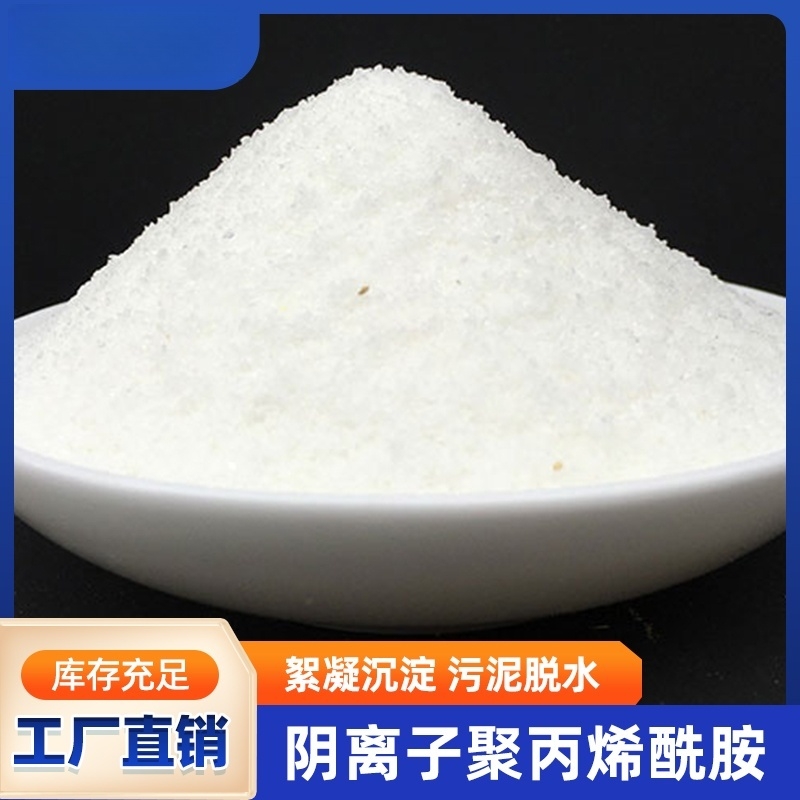
Understanding Polyacrylamide and Its Role in Water Treatment
Polyacrylamide is a synthetic polymer widely used in water treatment applications due to its ability to effectively remove suspended solids, organic matter, and other contaminants from water. It works by causing particles in the water to clump together (flocculation), making them easier to remove through sedimentation or filtration processes. This property makes polyacrylamide an indispensable chemical in various industries, including municipal wastewater treatment, industrial effluent treatment, and potable water purification.
There are two main types of polyacrylamide: anionic and cationic. Anionic polyacrylamide carries a negative charge and is effective in treating water with positively charged particles, such as metal ions and certain organic compounds. Cationic polyacrylamide, on the other hand, has a positive charge and is suitable for treating water containing negatively charged particles, such as clay, silt, and some organic matter. Understanding the charge characteristics of your water and the contaminants present is crucial in selecting the appropriate type of polyacrylamide.
Key Factors to Consider When Selecting Polyacrylamide
Choosing the right polyacrylamide for your water treatment needs involves evaluating several key factors. These factors will help you determine the most suitable product that meets your specific requirements in terms of performance, cost-effectiveness, and environmental impact.
1. Molecular Weight and Charge Density
The molecular weight and charge density of polyacrylamide significantly influence its flocculation efficiency. Higher molecular weight polymers generally provide better flocculation performance but may require higher dosages. Charge density, which refers to the number of charged groups per unit weight of the polymer, affects the polymer’s ability to interact with particles in the water. Selecting a polyacrylamide with the appropriate molecular weight and charge density for your specific application is essential for optimal performance.
2. Water Quality and Contaminant Characteristics
The quality of the water being treated and the characteristics of the contaminants present play a crucial role in polyacrylamide selection. Factors such as pH, temperature, turbidity, and the presence of specific ions or organic compounds can influence the effectiveness of the polymer. Conducting a thorough water analysis to understand these parameters will help you choose a polyacrylamide that is compatible with your water quality and effectively addresses the contaminants of concern.

3. Application Method and Equipment
The method of polyacrylamide application and the equipment used in the water treatment process also impact product selection. Some applications may require polyacrylamide in powder form, while others may prefer liquid solutions for easier handling and dosing. Additionally, the design of the flocculation and sedimentation equipment can influence the choice of polyacrylamide, as different polymers may perform better under specific flow conditions or mixing intensities.
4. Regulatory Compliance and Environmental Impact
Compliance with local and international regulations is a critical consideration when selecting polyacrylamide for water treatment. Ensure that the product you choose meets all relevant safety and environmental standards, including those related to residual monomer content, biodegradability, and toxicity. Additionally, consider the environmental impact of the polymer, opting for products that are designed to minimize ecological harm and support sustainable water treatment practices.
Applications of Polyacrylamide in Water Treatment
Polyacrylamide finds extensive applications across various water treatment scenarios, demonstrating its versatility and effectiveness in addressing diverse water quality challenges. Some of the key applications include:
- Municipal Wastewater Treatment: Polyacrylamide is widely used in municipal wastewater treatment plants to enhance the removal of suspended solids, organic matter, and phosphorus from sewage. Its flocculation properties help improve the efficiency of sedimentation and filtration processes, resulting in cleaner effluent that meets regulatory discharge standards.
- Industrial Effluent Treatment: Industries such as paper and pulp, textile, food and beverage, and chemical manufacturing generate effluents containing high levels of contaminants. Polyacrylamide is employed to treat these industrial wastewaters, effectively removing pollutants and enabling water reuse or safe discharge.
- Potable Water Purification: In potable water treatment, polyacrylamide assists in the removal of turbidity, color, and organic matter from raw water sources. By improving the clarity and quality of the water, it ensures that the treated water is safe for human consumption and meets drinking water standards.
- Sludge Dewatering: Polyacrylamide is also used in sludge dewatering processes to reduce the water content of sludge generated during water treatment. This facilitates easier handling, disposal, or further treatment of the sludge, minimizing the environmental impact of wastewater treatment operations.
| Parameter | Description |
|---|---|
| Molecular Weight | Range from low to ultra-high molecular weight, affecting flocculation efficiency and dosage requirements. |
| Charge Type | Anionic or cationic, depending on the charge characteristics of the water and contaminants. |
| Charge Density | The number of charged groups per unit weight, influencing interaction with particles in the water. |
| Form | Available in powder or liquid form, depending on application method and equipment. |
| Residual Monomer Content | The amount of unreacted acrylamide monomer, which should be minimized for safety and environmental reasons. |
FAQ
What is the difference between anionic and cationic polyacrylamide?
Anionic polyacrylamide carries a negative charge and is effective in treating water with positively charged particles, such as metal ions and certain organic compounds. Cationic polyacrylamide, on the other hand, has a positive charge and is suitable for treating water containing negatively charged particles, such as clay, silt, and some organic matter. The choice between anionic and cationic polyacrylamide depends on the charge characteristics of the water and the contaminants present.
How do I determine the appropriate dosage of polyacrylamide for my water treatment application?
The appropriate dosage of polyacrylamide depends on several factors, including the molecular weight and charge density of the polymer, the quality of the water being treated, and the specific contaminants present. Conducting jar tests or pilot-scale trials can help determine the optimal dosage for your application. These tests involve adding varying amounts of polyacrylamide to water samples and observing the flocculation and sedimentation performance to identify the most effective dosage.
What are the environmental considerations when using polyacrylamide in water treatment?
When using polyacrylamide in water treatment, it is essential to consider its environmental impact. Opt for products with low residual monomer content to minimize potential health and ecological risks. Additionally, choose polyacrylamide that is biodegradable and designed to minimize environmental harm. Proper disposal of unused or spent polyacrylamide solutions is also crucial to prevent contamination of water bodies and soil.
Can polyacrylamide be used in conjunction with other water treatment chemicals?
Yes, polyacrylamide can be used in combination with other water treatment chemicals to enhance overall treatment efficiency. For example, it can be used with coagulants such as aluminum sulfate or ferric chloride to improve flocculation performance. However, it is essential to ensure compatibility between the chemicals and to follow recommended dosing sequences and conditions to avoid adverse interactions that could reduce treatment effectiveness.
Summary
Selecting the right polyacrylamide for water treatment is a critical decision that can significantly impact the efficiency and effectiveness of your water treatment operations. By considering factors such as molecular weight, charge density, water quality, application method, and regulatory compliance, you can choose a polyacrylamide product that meets your specific requirements and supports sustainable water treatment practices. Murong (Shanghai) International Trading Co., Ltd. offers a range of high-quality polyacrylamide products designed to address diverse water treatment challenges, providing reliable solutions for industrial and municipal applications worldwide. Contact us today to learn more about our polyacrylamide offerings and how we can support your water treatment needs.