
Coconut shell activated carbon is a highly sought-after material in various industries, particularly in water treatment and purification. Its unique properties, such as high surface area and excellent adsorption capacity, make it an ideal choice for removing impurities and contaminants from water and air. For businesses looking to purchase coconut shell activated carbon, understanding the price per ton is crucial for budgeting and cost-effectiveness. This article delves into the factors influencing the cost, applications, and benefits of coconut shell activated carbon, providing a comprehensive guide for international buyers.
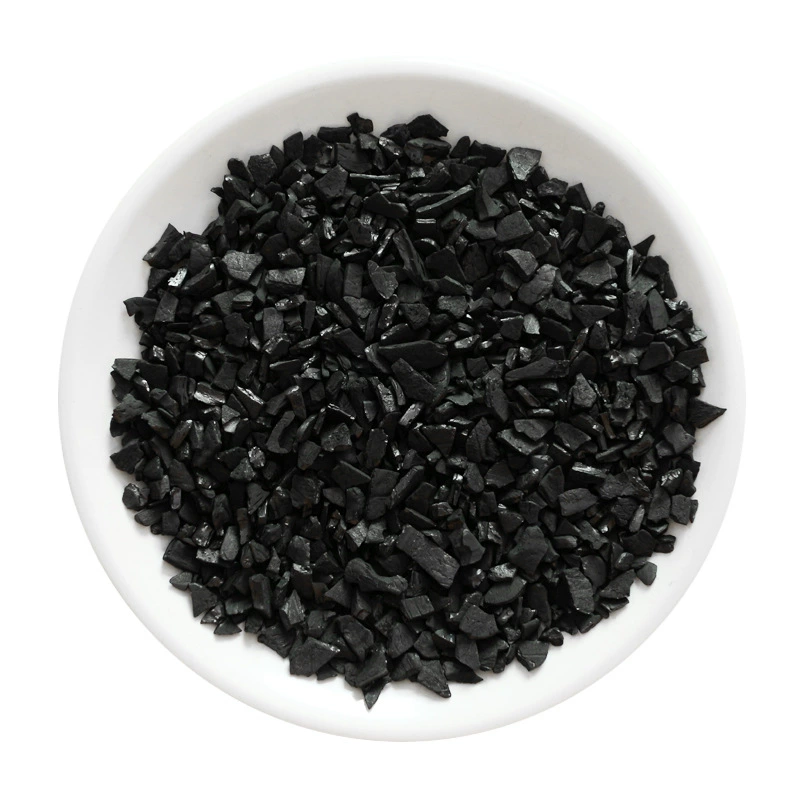
Understanding Coconut Shell Activated Carbon
Coconut shell activated carbon is derived from the shells of coconuts, which are subjected to a high-temperature activation process. This process creates a porous structure with a vast surface area, enabling the carbon to adsorb a wide range of substances effectively. The activation process typically involves carbonization followed by activation with steam or chemicals, resulting in a product with superior adsorption properties compared to other types of activated carbon.
The high porosity and surface area of coconut shell activated carbon make it highly effective in removing organic compounds, chlorine, odors, and colors from water. It is also used in air purification systems to remove volatile organic compounds (VOCs) and other pollutants. Its eco-friendly nature, as it is derived from a renewable resource, further enhances its appeal in various applications.
Factors Influencing Coconut Shell Activated Carbon Price Per Ton
The price of coconut shell activated carbon per ton can vary significantly based on several factors. Understanding these factors can help buyers make informed decisions and negotiate better deals with suppliers.
1. Quality and Purity
The quality and purity of coconut shell activated carbon play a crucial role in determining its price. High-quality activated carbon with minimal impurities and high adsorption capacity commands a premium price. The activation process, raw material quality, and manufacturing standards all contribute to the overall quality of the product.
2. Particle Size and Mesh Size
The particle size and mesh size of coconut shell activated carbon also affect its price. Finer particles with smaller mesh sizes are generally more expensive due to their higher surface area and better adsorption properties. However, the choice of particle size depends on the specific application, as larger particles may be more suitable for certain uses.
3. Production Costs
Production costs, including raw material procurement, energy consumption, labor, and manufacturing overheads, influence the final price of coconut shell activated carbon. Suppliers with efficient production processes and economies of scale can offer more competitive prices without compromising on quality.
4. Market Demand and Supply
Market demand and supply dynamics play a significant role in determining the price of coconut shell activated carbon. High demand coupled with limited supply can drive up prices, while increased production and competition can lead to lower prices. Monitoring market trends and building long-term relationships with reliable suppliers can help buyers secure favorable prices.

Applications of Coconut Shell Activated Carbon
Coconut shell activated carbon finds widespread applications across various industries due to its excellent adsorption properties and eco-friendly nature. Some of the key applications include:
1. Water Treatment
One of the primary applications of coconut shell activated carbon is in water treatment. It is used to remove organic compounds, chlorine, odors, and colors from drinking water, industrial wastewater, and municipal water supplies. Its high surface area and porosity make it highly effective in adsorbing a wide range of contaminants, ensuring clean and safe water.
2. Air Purification
Coconut shell activated carbon is also used in air purification systems to remove volatile organic compounds (VOCs), odors, and other pollutants from indoor air. It is commonly found in air filters, HVAC systems, and industrial air purification units, contributing to improved indoor air quality and a healthier environment.
3. Industrial Processes
In various industrial processes, coconut shell activated carbon is used for solvent recovery, gas purification, and decolorization. Its ability to adsorb specific substances makes it valuable in chemical manufacturing, pharmaceuticals, and food processing industries, where purity and quality are paramount.
4. Gold Recovery
Coconut shell activated carbon is utilized in the gold mining industry for the recovery of gold from cyanide leach solutions. Its high adsorption capacity for gold complexes makes it an efficient and cost-effective method for extracting gold from ores.
| Parameter | Description |
|---|---|
| Quality | High-quality, low impurity content |
| Particle Size | Varies based on application (e.g., 8×30 mesh, 12×40 mesh) |
| Surface Area | High surface area for effective adsorption |
| Applications | Water treatment, air purification, industrial processes, gold recovery |
Choosing a Reliable Supplier
Selecting a reliable supplier of coconut shell activated carbon is crucial for ensuring product quality, consistent supply, and competitive pricing. Here are some key factors to consider when choosing a supplier:
- Reputation and Experience: Look for suppliers with a strong reputation and extensive experience in the industry. A reputable supplier is more likely to provide high-quality products and reliable service.
- Product Quality: Ensure that the supplier adheres to strict quality control standards and provides detailed product specifications. High-quality activated carbon is essential for achieving optimal performance in your applications.
- Certifications and Compliance:
- Customer Support: Choose a supplier that offers excellent customer support, including technical assistance, product recommendations, and after-sales service. Good customer support can help resolve issues quickly and ensure smooth operations.
- Pricing and Flexibility: Compare prices from multiple suppliers to ensure competitiveness. Additionally, look for suppliers that offer flexible pricing options, such as volume discounts and customized solutions, to meet your specific needs.
Verify that the supplier holds relevant certifications and complies with industry standards and regulations. Certifications such as ISO, NSF, and FDA approval indicate a commitment to quality and safety.
FAQ
What is the average price per ton for coconut shell activated carbon?
The average price per ton for coconut shell activated carbon can vary based on factors such as quality, particle size, and market demand. It is advisable to request quotes from multiple suppliers to get a competitive price.
How does coconut shell activated carbon compare to other types for water treatment?
Coconut shell activated carbon is known for its high surface area and excellent adsorption capacity, making it highly effective for water treatment. It outperforms many other types of activated carbon in removing organic compounds, chlorine, and odors from water.
What factors affect the cost of coconut shell activated carbon?
The cost of coconut shell activated carbon is influenced by factors such as quality, purity, particle size, production costs, and market demand. High-quality activated carbon with minimal impurities and high adsorption capacity typically commands a higher price.
Can coconut shell activated carbon be customized for specific industrial needs?
Yes, coconut shell activated carbon can be customized based on specific industrial needs. Suppliers can adjust parameters such as particle size, mesh size, and activation level to meet the requirements of different applications.
What certifications should I look for when choosing a supplier of coconut shell activated carbon?
When choosing a supplier, look for certifications such as ISO, NSF, and FDA approval. These certifications indicate that the supplier adheres to strict quality control standards and complies with industry regulations.
How can I ensure the quality of coconut shell activated carbon purchased?
To ensure the quality of coconut shell activated carbon, request detailed product specifications from the supplier, including information on quality, purity, and particle size. Additionally, verify the supplier’s certifications and compliance with industry standards.
What are the key applications of coconut shell activated carbon?
Coconut shell activated carbon is used in various applications, including water treatment, air purification, industrial processes, and gold recovery. Its high adsorption capacity makes it valuable in removing contaminants and impurities from water and air.
How does market demand affect the price of coconut shell activated carbon?
Market demand plays a significant role in determining the price of coconut shell activated carbon. High demand coupled with limited supply can drive up prices, while increased production and competition can lead to lower prices.
What is the role of particle size in coconut shell activated carbon?
Particle size affects the adsorption capacity and effectiveness of coconut shell activated carbon. Finer particles with smaller mesh sizes have a higher surface area and better adsorption properties, making them more suitable for certain applications.
How can I negotiate better prices with suppliers of coconut shell activated carbon?
To negotiate better prices with suppliers, compare quotes from multiple suppliers, request volume discounts, and explore customized solutions. Building long-term relationships with reliable suppliers can also help secure favorable pricing.
Summary
Coconut shell activated carbon is a versatile and highly effective material for water treatment, air purification, and various industrial processes. Understanding the factors influencing its price per ton, such as quality, particle size, and market demand, is essential for making informed purchasing decisions. By choosing a reliable supplier that adheres to strict quality control standards and offers competitive pricing, businesses can ensure optimal performance and cost-effectiveness in their applications. With its eco-friendly nature and superior adsorption properties, coconut shell activated carbon remains a preferred choice for industries worldwide.