
When it comes to food processing and preservation, citric acid plays a crucial role. As a natural preservative and flavoring agent, food grade citric acid is widely used across various industries, including beverages, confectionery, pharmaceuticals, and personal care products. However, with numerous suppliers and types available in the market, choosing the right food grade citric acid can be a daunting task. This comprehensive guide will help you understand the different types of food grade citric acid, key quality indicators, and how to find a reliable supplier that meets your specific needs.
Understanding Food Grade Citric Acid
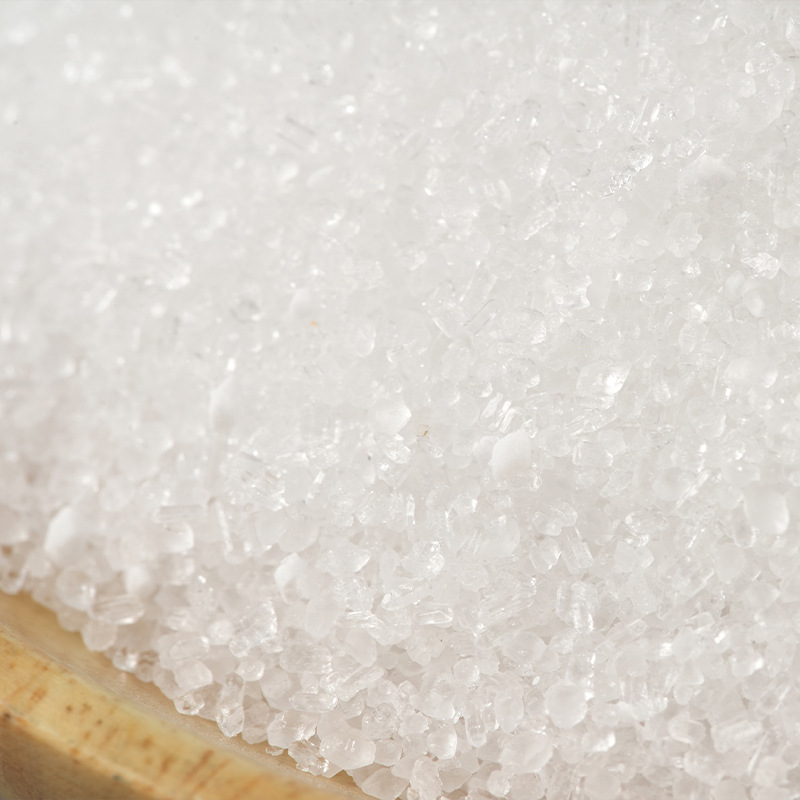
Food grade citric acid is a weak organic acid that occurs naturally in citrus fruits like lemons, limes, and oranges. It is produced either through natural fermentation of sugars or chemical synthesis. The food grade designation ensures that the citric acid meets strict purity standards and is safe for consumption. This type of citric acid is commonly used as an acidulant, preservative, flavor enhancer, and chelating agent in food and beverage products.
The primary function of food grade citric acid in food processing is to control pH levels, which helps in preserving the freshness and extending the shelf life of products. It also enhances flavors by providing a tart taste and can prevent discoloration in fruits and vegetables. In the beverage industry, citric acid is frequently used in soft drinks, fruit juices, and energy drinks to improve taste and stability.
Types of Food Grade Citric Acid
Food grade citric acid is available in several forms, each with its own specific applications and benefits. The most common types include:
1. Anhydrous Citric Acid
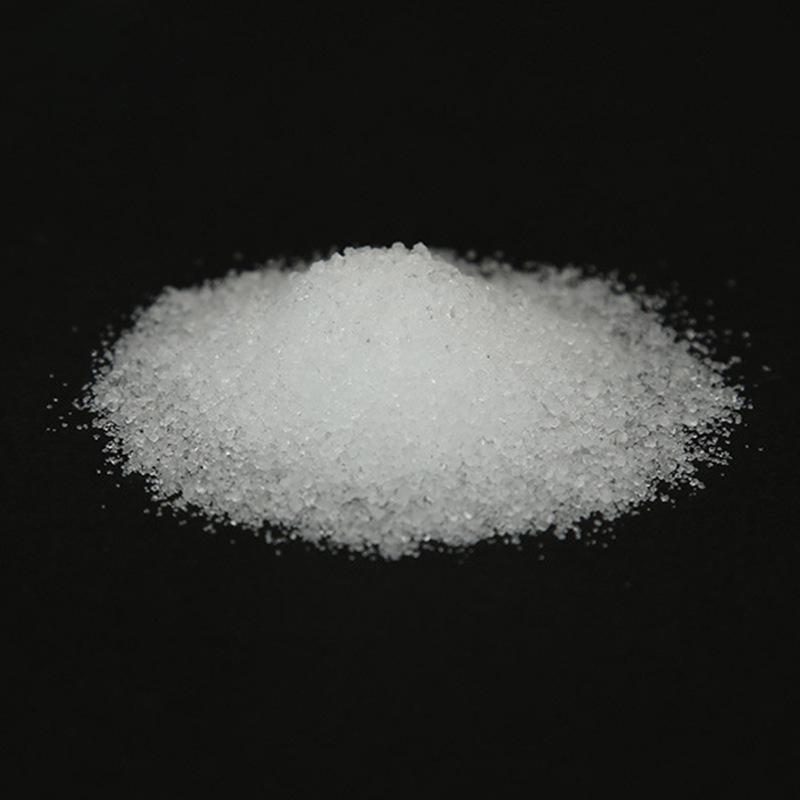
Anhydrous citric acid is the most concentrated form, containing no water molecules. It appears as a white, crystalline powder with a high solubility in water. This type is ideal for applications requiring precise pH control or when a dry formulation is preferred, such as in powdered drink mixes, tablet manufacturing, and as a buffering agent in pharmaceuticals.
2. Monohydrate Citric Acid
Monohydrate citric acid contains one molecule of water per molecule of citric acid. It is also a white, crystalline powder but has slightly different physical properties compared to the anhydrous form. Monohydrate citric acid is commonly used in food products where a less concentrated acid is needed, such as in jams, jellies, and candy production. It is also preferred in some cleaning applications due to its ability to form stable solutions.
3. Liquid Citric Acid
Liquid citric acid is a concentrated solution of citric acid in water, typically available in various strengths. This form is convenient for applications where easy handling and precise dosing are required, such as in beverage production, dairy processing, and as a cleaning agent in the food industry. Liquid citric acid can be easily diluted to achieve the desired concentration, making it versatile for different uses.
Key Quality Indicators for Food Grade Citric Acid
When selecting a supplier for food grade citric acid, it is essential to consider several quality indicators to ensure you are getting a product that meets your standards and regulatory requirements. Here are some key factors to evaluate:
- Purity Level: High-quality food grade citric acid should have a purity level of at least 99.5%. This ensures minimal impurities that could affect the taste, stability, or safety of your final product. Look for suppliers who provide detailed specifications and certificates of analysis for each batch.
- Production Method: Citric acid can be produced through natural fermentation or chemical synthesis. While both methods yield food-grade products, natural fermentation is often preferred for its perception as a more “natural” process. However, chemically synthesized citric acid can also meet food safety standards if produced under strict quality control measures.
- Particle Size: The particle size of citric acid can impact its solubility and flow properties. For applications requiring rapid dissolution, finer particles are preferred. Conversely, coarser particles may be more suitable for processes where controlled release or reduced dusting is important.
- Packaging and Storage: Proper packaging is crucial to maintain the quality of citric acid during storage and transportation. Look for suppliers who use food-grade, moisture-resistant packaging materials and provide clear storage instructions to prevent degradation or contamination.
- Certifications and Compliance: Ensure that the supplier’s food grade citric acid complies with relevant food safety regulations and standards, such as FDA, EFSA, or ISO certifications. These certifications indicate that the product has been tested and meets the required safety and quality criteria for food use.
| Quality Indicator | Description | Importance |
|---|---|---|
| Purity Level | Minimum 99.5% purity to ensure minimal impurities | High |
| Production Method | Natural fermentation or chemical synthesis, both can meet food safety standards | Medium |
| Particle Size | Affects solubility and flow properties; varies by application | Medium |
| Packaging and Storage | Food-grade, moisture-resistant packaging with clear storage instructions | High |
| Certifications and Compliance | Compliance with FDA, EFSA, or ISO standards | Very High |
Finding a Reliable Supplier of Food Grade Citric Acid
Choosing the right supplier for your food grade citric acid needs is crucial to ensure consistent quality, reliable delivery, and competitive pricing. Here are some steps to help you find a reputable supplier:
1. Research and Shortlist Potential Suppliers
Start by conducting thorough research to identify potential suppliers of food grade citric acid. Look for companies with a strong reputation in the industry, positive customer reviews, and a track record of providing high-quality products. Online directories, industry associations, and trade shows can be valuable resources for finding reputable suppliers.
2. Evaluate Their Product Range and Quality
Once you have a list of potential suppliers, evaluate their product range to ensure they offer the specific type and grade of citric acid you need. Request product specifications, certificates of analysis, and samples to assess the quality firsthand. A reliable supplier should be transparent about their production processes and willing to provide detailed information about their products.
3. Check Certifications and Compliance
Verify that the supplier’s food grade citric acid complies with relevant food safety regulations and standards. Look for certifications such as FDA, EFSA, ISO, or Halal/Kosher certifications if required for your market. Compliance with these standards ensures that the product is safe for consumption and meets international quality criteria.
4. Assess Their Production Capacity and Logistics
Consider the supplier’s production capacity and ability to meet your demand requirements. A reliable supplier should have sufficient inventory or production capabilities to ensure consistent supply, even during peak periods. Additionally, evaluate their logistics and shipping capabilities to ensure timely delivery and minimize the risk of delays or damage during transit.
5. Compare Pricing and Payment Terms
While price should not be the sole determining factor, it is essential to compare pricing from different suppliers to ensure you are getting a competitive rate. However, be cautious of unusually low prices, as they may indicate compromised quality. Also, review the supplier’s payment terms, including minimum order quantities, lead times, and payment methods, to ensure they align with your business needs.
6. Seek Recommendations and References
Ask for recommendations from industry peers or colleagues who have experience working with food grade citric acid suppliers. Their firsthand insights can provide valuable information about a supplier’s reliability, product quality, and customer service. Additionally, request references from the supplier and follow up with their existing clients to gather feedback on their experience.
FAQ
What is the difference between anhydrous and monohydrate citric acid?
Anhydrous citric acid contains no water molecules and is the most concentrated form, while monohydrate citric acid contains one molecule of water per molecule of citric acid. Anhydrous citric acid is preferred for applications requiring precise pH control or dry formulations, whereas monohydrate citric acid is suitable for less concentrated applications like jams and jellies.
How can I ensure the food grade citric acid I purchase is of high quality?
To ensure high quality, look for suppliers who provide detailed product specifications, certificates of analysis, and samples for testing. Verify that the product meets relevant food safety standards and certifications, such as FDA or ISO. Additionally, choose suppliers with a strong reputation in the industry and positive customer reviews.
What are the common applications of food grade citric acid?
Food grade citric acid is widely used as an acidulant, preservative, flavor enhancer, and chelating agent in various industries. Common applications include beverages, confectionery, dairy products, processed meats, canned fruits and vegetables, and pharmaceuticals. It is also used in cleaning agents and personal care products.
How should food grade citric acid be stored to maintain its quality?
Food grade citric acid should be stored in a cool, dry place away from direct sunlight and moisture. It should be kept in its original, tightly sealed packaging or transferred to airtight containers to prevent absorption of moisture from the air. Proper storage helps maintain the product’s purity and effectiveness over time.
Summary
Choosing the right food grade citric acid and a reliable supplier is essential for ensuring the quality, safety, and success of your food processing operations. By understanding the different types of citric acid, key quality indicators, and factors to consider when selecting a supplier, you can make informed decisions that meet your specific needs. Remember to prioritize purity, compliance with food safety standards, and the supplier’s reputation and reliability. With the right approach, you can find a trustworthy partner that provides high-quality food grade citric acid to support your business growth.