
In the realm of industrial water treatment and purification, coconut shell activated carbon stands out as a premium choice due to its superior adsorption capabilities and environmental friendliness. For businesses seeking efficient and sustainable solutions, understanding the pricing dynamics of coconut shell activated carbon is crucial. This comprehensive guide delves into the factors influencing the price per ton, offers insights into selecting reliable suppliers, and provides a detailed analysis of its applications across various industries.
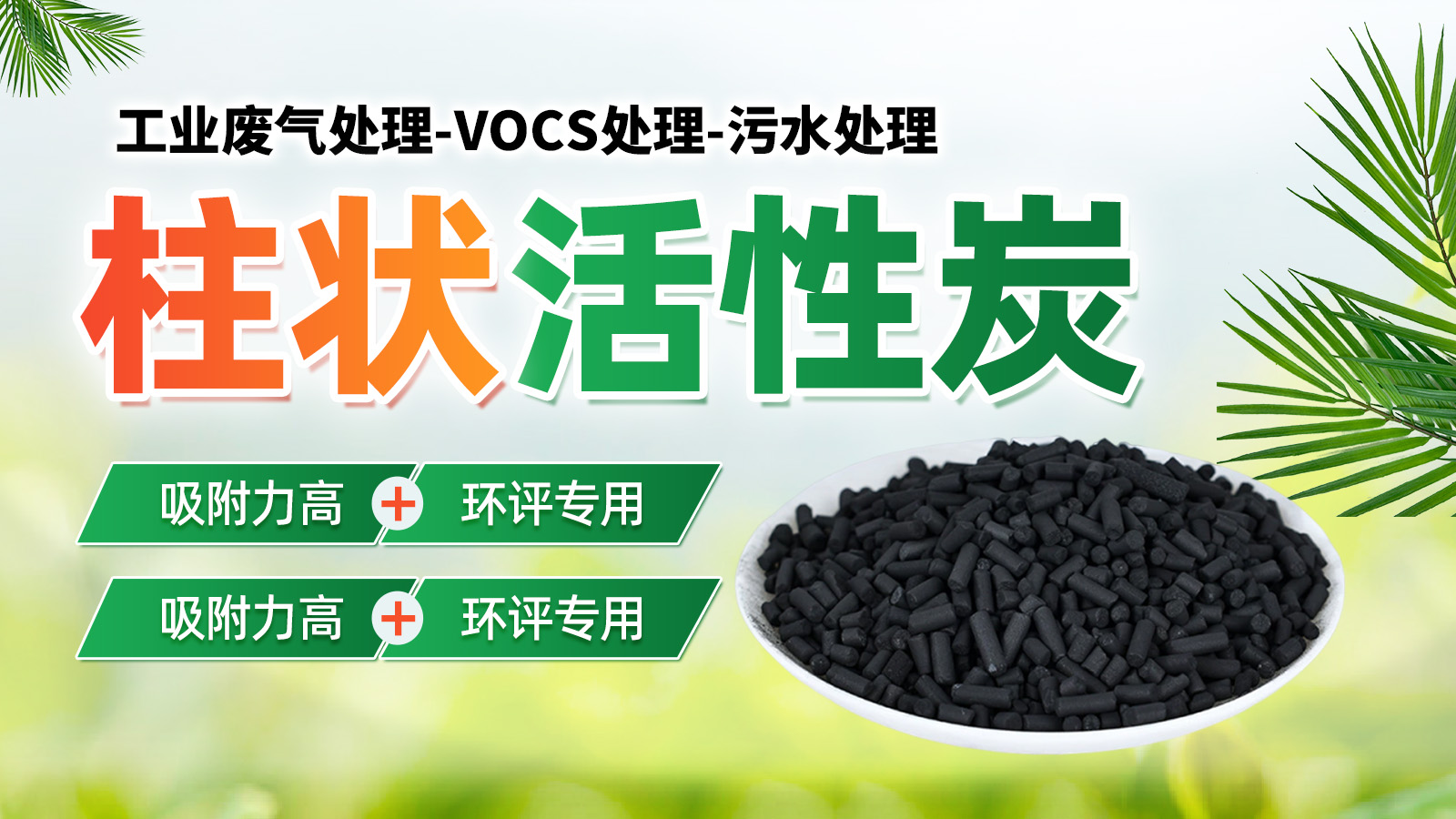
Understanding Coconut Shell Activated Carbon
Coconut shell activated carbon is derived from the husks of coconuts, a renewable and abundant resource. Through a process of carbonization and activation, these husks are transformed into highly porous granules with a vast surface area, capable of adsorbing a wide range of impurities from water and air. This makes it an ideal choice for applications such as water purification, air filtration, and chemical processing.
The activation process, which can be physical or chemical, enhances the carbon’s porosity and surface area, thereby increasing its adsorption capacity. Physical activation typically involves exposing the carbonized material to steam or carbon dioxide at high temperatures, while chemical activation uses agents like phosphoric acid or potassium hydroxide. The choice of activation method can influence the final product’s properties and, consequently, its price.
Factors Influencing Coconut Shell Activated Carbon Price Per Ton
Several key factors contribute to the pricing of coconut shell activated carbon per ton. Understanding these factors can help businesses make informed decisions when purchasing this material.
Raw Material Quality and Availability
The quality of coconut shells used as raw material significantly impacts the final product’s performance and cost. High-quality shells, free from contaminants and with consistent size and density, yield better-activated carbon. Additionally, the availability of coconut shells can vary based on seasonal harvests and geographical location, affecting prices due to supply chain fluctuations.
Activation Process and Technology
The method and efficiency of the activation process play a crucial role in determining the cost. Advanced activation technologies that optimize energy consumption and yield higher-quality activated carbon may command a premium price. Conversely, traditional or less efficient methods might result in lower costs but potentially inferior product quality.
Product Specifications and Purity
The specific requirements of the activated carbon, such as particle size, pore structure, and surface area, can influence its price. Higher purity levels and specialized formulations tailored to specific applications (e.g., pharmaceutical-grade or food-grade activated carbon) typically come at a higher cost due to the additional processing and quality control measures involved.
Market Demand and Supply Dynamics
Like any commodity, the price of coconut shell activated carbon is subject to market forces of demand and supply. Increased demand from industries like water treatment, pharmaceuticals, and food and beverage can drive prices up, especially if supply is constrained. Conversely, a surplus in supply or reduced demand can lead to lower prices.
Selecting a Reliable Coconut Shell Activated Carbon Supplier
Choosing the right supplier is as important as understanding the pricing dynamics. A reliable supplier ensures consistent product quality, timely delivery, and competitive pricing. Here are some key considerations when selecting a supplier:
- Reputation and Experience: Look for suppliers with a proven track record in the industry and positive reviews from past clients. Experience in handling large-scale orders and a deep understanding of market trends are valuable assets.
- Product Quality and Certifications: Ensure the supplier adheres to international quality standards and possesses relevant certifications (e.g., ISO, NSF). This guarantees the product’s safety and efficacy for your intended application.
- Customization Capabilities: If your project requires specific formulations or sizes of activated carbon, choose a supplier capable of providing customized solutions. This flexibility can be crucial for meeting unique project requirements.
- Pricing and Payment Terms:
- After-Sales Support: A supplier that offers comprehensive after-sales support, including technical assistance and product replacement in case of defects, can provide peace of mind and minimize operational disruptions.
Compare prices from multiple suppliers to ensure competitiveness. Also, consider the payment terms offered, such as credit periods or discounts for bulk purchases, which can impact your overall cost.
Applications of Coconut Shell Activated Carbon Across Industries
Coconut shell activated carbon finds widespread use across various industries due to its versatile properties. Some of the key applications include:
| Industry | Application |
|---|---|
| Water Treatment | Removing chlorine, organic compounds, and heavy metals from drinking water and wastewater. |
| Air Purification | Adsorbing volatile organic compounds (VOCs), odors, and harmful gases in industrial settings and indoor air quality control. |
| Pharmaceuticals | Purifying active pharmaceutical ingredients (APIs) and removing impurities during drug manufacturing. |
| Food and Beverage | Decolorizing and deodorizing food products, beverages, and edible oils. |
| Chemical Processing | Catalyst support in chemical reactions and adsorbing solvents and other chemicals in industrial processes. |
FAQ
What is the average price range of coconut shell activated carbon per ton?
The average price range of coconut shell activated carbon per ton can vary widely based on factors such as raw material quality, activation process, product specifications, and market demand. Generally, prices can range from $1,500 to $3,500 per ton, but it’s essential to obtain quotes from multiple suppliers for accurate pricing.
How does the activation process affect the price of coconut shell activated carbon?
The activation process significantly impacts the price of coconut shell activated carbon. Advanced activation technologies that optimize energy consumption and yield higher-quality activated carbon may command a premium price. Conversely, traditional or less efficient methods might result in lower costs but potentially inferior product quality.
Can I get customized formulations of coconut shell activated carbon?
Yes, many suppliers offer customized formulations of coconut shell activated carbon tailored to specific applications. This flexibility allows you to meet unique project requirements, such as particle size, pore structure, and surface area. However, customized solutions may come at a higher cost due to additional processing and quality control measures.
What certifications should I look for when selecting a coconut shell activated carbon supplier?
When selecting a coconut shell activated carbon supplier, look for certifications such as ISO (International Organization for Standardization) and NSF (National Sanitation Foundation). These certifications ensure that the product meets international quality standards and is safe for use in your intended application.
How can I ensure consistent product quality from my coconut shell activated carbon supplier?
To ensure consistent product quality from your coconut shell activated carbon supplier, choose a reputable company with a proven track record in the industry. Request product samples and certifications, and inquire about their quality control measures. Additionally, consider conducting regular audits or inspections of the supplier’s facilities to verify compliance with quality standards.
Summary
Understanding the pricing dynamics of coconut shell activated carbon per ton is crucial for businesses seeking efficient and sustainable solutions for water treatment, air purification, and other industrial applications. Factors such as raw material quality, activation process, product specifications, and market demand significantly influence prices. Selecting a reliable supplier that offers consistent product quality, competitive pricing, and customized solutions is equally important. By considering these factors and exploring the diverse applications of coconut shell activated carbon across industries, businesses can make informed decisions and optimize their operations for success.