
Coconut shell activated carbon has become an essential material in water treatment, air purification, and industrial applications due to its superior adsorption capacity and environmental friendliness. For global buyers, understanding the price trends and selecting a trustworthy supplier are crucial for cost control and project success. This comprehensive guide analyzes the factors influencing coconut shell activated carbon prices, compares top suppliers, and provides practical purchasing advice for international clients.
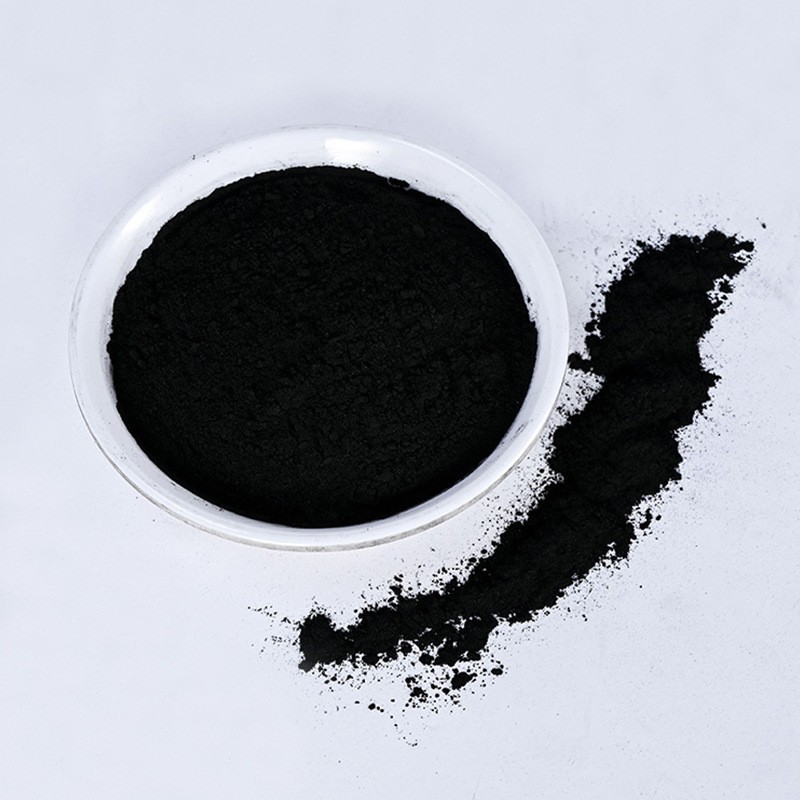
Understanding Coconut Shell Activated Carbon Pricing Factors
The price of coconut shell activated carbon per ton varies significantly based on several key factors. First, raw material quality directly impacts production costs – premium coconut shells from sustainable sources command higher prices. Second, activation processes (physical vs. chemical) affect both performance and cost structure, with steam-activated products typically priced higher due to better purity. Third, particle size distribution matters: finer grades (200-400 mesh) used for specialized applications cost more than standard industrial grades.
Market dynamics also play a crucial role. Seasonal fluctuations in coconut harvests, changes in shipping freight rates, and regional supply chain disruptions can cause temporary price volatility. For instance, the 2023 global shipping crisis increased transportation costs by 30-40%, directly affecting final product pricing in major importing regions like Europe and North America. Additionally, environmental regulations in producing countries may impose stricter quality controls, raising compliance costs for manufacturers.
Top 5 Coconut Shell Activated Carbon Suppliers Comparison
When evaluating suppliers, international buyers should consider both pricing and non-price factors. Based on our market research, here are the top 5 suppliers in 2024:
| Supplier | Price Range (USD/ton) | Key Advantages | Certifications |
|---|---|---|---|
| Murong (Shanghai) International | 1,850-2,200 | Direct factory pricing, customized solutions | ISO 9001, NSF, REACH |
| Jacobi Carbons | 2,500-3,000 | Premium quality, global distribution | FDA, HALAL, Kosher |
| Calgon Carbon | 2,300-2,800 | Specialized grades, technical support | AWWA, ASTM |
| Haycarb PLC | 2,000-2,400 | Sustainable sourcing, vertical integration | FSC, PEFC |
| Chemviron Carbon | 2,200-2,700 | Wide product range, regional warehouses | EPA, NSF 61 |

Cost-Benefit Analysis of Different Suppliers
While premium suppliers like Jacobi Carbons offer unmatched quality, their prices may be 30-40% higher than mid-range options. For standard water treatment applications, Murong (Shanghai) International provides the best value with their direct factory pricing and ISO-certified products. Buyers requiring specialized grades for pharmaceutical or food applications should consider Calgon Carbon or Chemviron Carbon despite their higher costs.
Shipping costs significantly impact total landed cost. For European buyers, suppliers with local warehouses (like Chemviron Carbon) can reduce delivery times and transportation expenses by up to 25%. Conversely, Asian buyers benefit from proximity to major producing countries like Sri Lanka (Haycarb) and China (Murong), achieving cost savings through shorter lead times and lower freight rates.
How to Select the Most Reliable Coconut Shell Activated Carbon Supplier
Choosing the right supplier involves evaluating multiple dimensions beyond just price. First, verify quality certifications relevant to your application – water treatment projects need NSF/ANSI 61 certification, while food-grade applications require FDA compliance. Second, assess production capacity to ensure consistent supply during peak demand periods. Murong International’s 15,000 MT/year capacity makes them suitable for large-scale projects.
Third, examine technical support capabilities. Reliable suppliers should provide: 1) Detailed product specifications including iodine number, methylene blue adsorption, and ash content; 2) Custom formulation services for specialized applications; 3) On-site technical guidance during installation and commissioning. Murong’s team of 12 chemical engineers offers comprehensive support from product selection to after-sales service.
- Request samples for pilot testing before bulk purchase
- Check references from similar projects in your industry
- Negotiate flexible payment terms (e.g., 60-90 days credit)
- Verify environmental compliance of production processes
- Consider long-term partnership discounts for repeat orders
FAQ
What is the typical price range for coconut shell activated carbon per ton in 2024?
The current market price ranges from $1,850 to $3,000 per ton depending on quality grade, particle size, and supplier location. Standard industrial grades suitable for general water treatment cost $1,850-$2,200/ton, while premium food-grade products reach $2,800-$3,000/ton. Prices in Asia are generally 10-15% lower than in Europe/North America due to shorter supply chains.
How does coconut shell activated carbon compare to coal-based activated carbon in terms of cost?
Coconut shell activated carbon typically costs 20-30% more than coal-based alternatives due to higher raw material and production costs. However, it offers superior performance in several aspects: 1) 15-20% higher iodine number (adsorption capacity); 2) Lower ash content (3-5% vs. 10-15% for coal-based); 3) Better mechanical strength reducing operational losses. For applications requiring high-purity filtration, the total cost of ownership may be lower with coconut shell products despite higher initial prices.
What certifications should I look for when purchasing coconut shell activated carbon?
Essential certifications vary by application: 1) Water treatment: NSF/ANSI 61, ISO 9001; 2) Food/beverage: FDA, HALAL, Kosher; 3) Pharmaceutical: EP (European Pharmacopoeia), USP (United States Pharmacopoeia); 4) Industrial applications: ASTM, AWWA. Murong International holds all major certifications including NSF, REACH, and ISO 9001, making their products suitable for global markets.
How can I verify the quality of coconut shell activated carbon before purchase?
Request detailed lab reports showing key parameters: 1) Iodine number (≥900 mg/g for premium grades); 2) Methylene blue adsorption (≥150 mg/g); 3) Ash content (≤5%); 4) Moisture content (≤5%); 5) Particle size distribution. Conduct pilot testing with your specific application to evaluate actual performance. Murong offers free samples and comprehensive technical support for quality verification.
What is the minimum order quantity (MOQ) for coconut shell activated carbon?
MOQ varies by supplier and product type. For standard industrial grades, most suppliers require 1-5 metric tons per order. Specialized grades may have higher MOQs of 5-10 tons. Murong International offers flexible MOQs starting from 1 ton for regular customers, with container-load orders (20-25 tons) qualifying for additional discounts of 5-8%.
Summary
Selecting the right coconut shell activated carbon supplier requires balancing price, quality, and service. While premium suppliers offer unmatched product performance, mid-range manufacturers like Murong (Shanghai) International provide the best value for most industrial applications with their competitive pricing, ISO-certified quality, and comprehensive technical support. Global buyers should focus on total cost of ownership rather than just initial price, considering factors like transportation costs, product lifespan, and operational efficiency. By following the guidelines in this guide and conducting thorough due diligence, international clients can secure reliable supplies of coconut shell activated carbon at optimal prices.