
When it comes to water treatment solutions, coconut shell activated carbon stands out as one of the most effective and versatile materials available. As a leading international supplier based in Shanghai, China, Murong (Shanghai) International Trading Co., Ltd. has established itself as a trusted partner for businesses worldwide seeking high-quality activated carbon products. This comprehensive guide will explore the key factors influencing coconut shell activated carbon pricing per ton, helping you make informed purchasing decisions for your industrial applications.
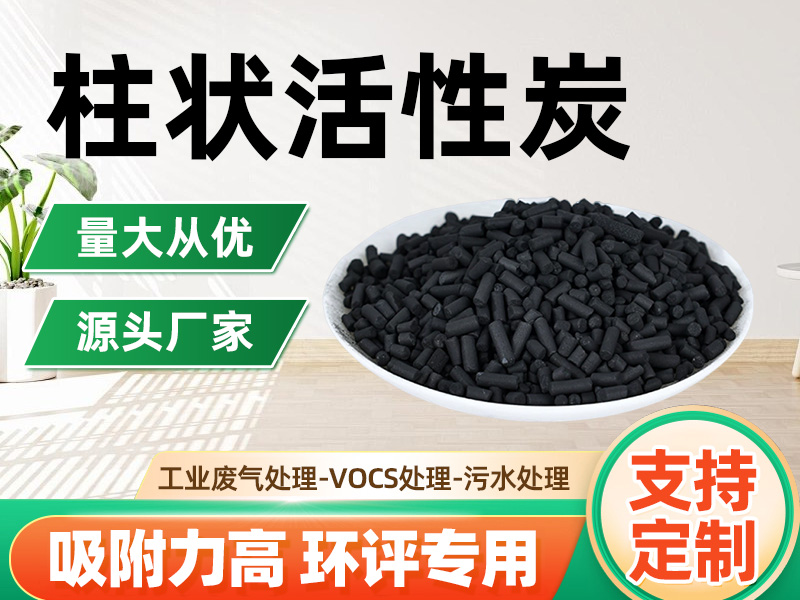
Understanding Coconut Shell Activated Carbon
Coconut shell activated carbon is derived from the shells of coconuts through a specialized activation process. This material is renowned for its high surface area, excellent porosity, and superior adsorption capabilities, making it ideal for various water treatment applications including:
- Removal of organic contaminants
- Elimination of chlorine and chloramines
- Reduction of heavy metals
- Odor and taste control
- Color removal
The production process involves carbonization of coconut shells followed by activation using steam or chemicals, which creates millions of tiny pores throughout the carbon structure. This porous structure is what gives activated carbon its remarkable filtration properties.
Factors Influencing Coconut Shell Activated Carbon Pricing
The price of coconut shell activated carbon per ton varies significantly based on several key factors. Understanding these variables will help you evaluate different supplier quotes and select the most cost-effective solution for your needs:
1. Raw Material Quality
The quality of coconut shells used as raw material directly impacts the final product’s performance and price. Premium-grade coconut shells from specific regions tend to produce higher-quality activated carbon with better adsorption properties, commanding higher prices in the market.
2. Activation Process
The method of activation (steam or chemical) affects both the production costs and the characteristics of the final product. Steam activation typically produces higher-quality activated carbon but involves higher energy costs, while chemical activation may be more cost-effective but could leave trace chemical residues.
3. Particle Size and Distribution
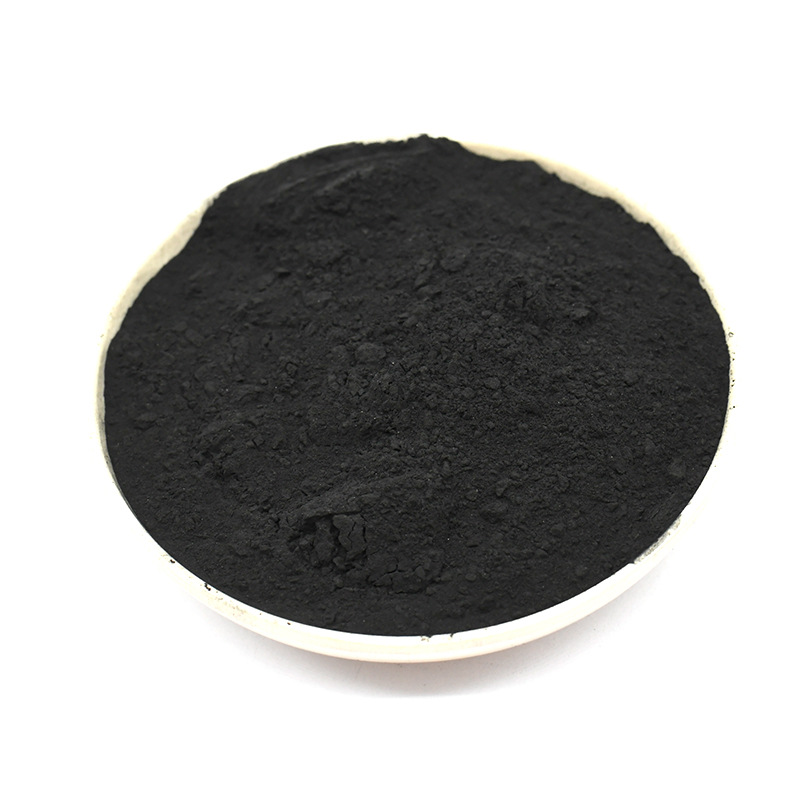
Activated carbon comes in various particle sizes ranging from powdered to granular forms. Finer particles offer greater surface area but may require more processing, affecting the overall cost. The specific application requirements will determine the optimal particle size distribution.
4. Purity and Iodine Number
The purity level and iodine number (a measure of adsorption capacity) are critical quality indicators. Higher purity and higher iodine number activated carbon typically command premium prices due to their superior performance in demanding applications.
5. Packaging and Transportation
For international buyers, packaging options (bulk bags, drums, or smaller packages) and transportation costs significantly impact the final landed price. Efficient packaging solutions that minimize shipping volumes while protecting product quality can offer cost savings.
6. Market Supply and Demand
Like any commodity, coconut shell activated carbon prices fluctuate based on global supply and demand dynamics. Factors such as coconut harvest seasons, production capacity in key manufacturing regions, and environmental regulations all influence market pricing.
Comparing Coconut Shell Activated Carbon with Other Types
To fully appreciate the value proposition of coconut shell activated carbon, it’s helpful to compare it with other common types:
| Type | Advantages | Typical Price Range (per ton) |
|---|---|---|
| Coconut Shell | High hardness, excellent microporosity, renewable source | $1,800 – $3,500 |
| Coal-Based | Lower cost, good for general purification | $800 – $2,000 |
| Wood-Based | High mesoporosity, good for large molecules | $1,500 – $3,000 |
| Spherical | Low pressure drop, uniform shape | $2,500 – $4,500 |
Selecting the Right Coconut Shell Activated Carbon Supplier
Choosing a reliable supplier is crucial for ensuring consistent product quality and competitive pricing. Here are key factors to consider when evaluating potential suppliers:
- Quality Certifications: Look for suppliers with ISO certifications and product-specific certifications like NSF/ANSI 61 for drinking water applications.
- Production Capacity: Ensure the supplier can meet your volume requirements without compromising quality.
- Technical Support: A supplier that offers technical assistance in selecting the right product for your application can help optimize performance and costs.
- Logistics Capabilities: For international buyers, the supplier’s ability to handle export documentation and arrange efficient shipping is vital.
- Reputation: Research the supplier’s track record through industry references and customer testimonials.
Cost Optimization Strategies
While quality should never be compromised in water treatment applications, there are several strategies to optimize your coconut shell activated carbon costs:
- Bulk Purchasing: Larger volume orders typically qualify for volume discounts, reducing the per-ton price.
- Long-Term Contracts: Establishing long-term supply agreements can secure more favorable pricing and supply stability.
- Efficient Inventory Management: Proper storage conditions extend product life, reducing waste and replacement costs.
- Application Optimization: Working with your supplier to select the most appropriate grade for your specific application can prevent over-specification and unnecessary costs.
FAQ
What is the typical shelf life of coconut shell activated carbon?
When stored properly in a cool, dry environment away from direct sunlight and contaminants, coconut shell activated carbon can maintain its effectiveness for 3-5 years. Proper packaging that prevents moisture absorption is crucial for maximizing shelf life.
How does coconut shell activated carbon compare to coal-based activated carbon in terms of performance?
Coconut shell activated carbon generally offers superior microporosity compared to coal-based alternatives, making it more effective for removing small molecules and volatile organic compounds. It also has higher hardness, reducing dust generation during handling and use. However, coal-based activated carbon may be more cost-effective for less demanding applications.
Can coconut shell activated carbon be regenerated for reuse?
Yes, coconut shell activated carbon can be regenerated through thermal reactivation processes that burn off adsorbed contaminants. However, regeneration is typically only economical for large-scale industrial applications due to the specialized equipment and energy required. The regenerated carbon may have slightly reduced performance compared to virgin material.
What quality certifications should I look for when purchasing coconut shell activated carbon?
For most industrial applications, ISO 9001 (quality management) and ISO 14001 (environmental management) certifications are important indicators of a supplier’s commitment to quality. For drinking water applications, NSF/ANSI 61 certification ensures the product meets health effects standards for materials that contact drinking water.
How can I determine the right particle size for my application?
The optimal particle size depends on your specific application requirements. Finer particles (8×30 mesh or smaller) offer greater surface area but may cause higher pressure drops in filtration systems. Coarser particles (4×8 mesh or larger) are easier to handle but have lower surface area. Your supplier can provide technical guidance based on your flow rates, contaminant types, and system design.
Summary
The price of coconut shell activated carbon per ton is influenced by multiple factors including raw material quality, activation process, particle size, purity levels, and market dynamics. While generally more expensive than coal-based alternatives, coconut shell activated carbon offers superior performance for many water treatment applications, particularly those requiring high-purity filtration or removal of small molecules.
As a leading international supplier, Murong (Shanghai) International Trading Co., Ltd. offers competitive pricing on premium-grade coconut shell activated carbon backed by rigorous quality control and excellent technical support. Our experienced team can help you select the most appropriate product for your specific needs while optimizing your costs through efficient supply chain management.
For the most accurate pricing information and personalized recommendations, we encourage you to contact our sales team with details about your application requirements and annual usage volumes. Our global logistics capabilities ensure reliable supply to customers worldwide, supporting your water treatment operations with consistent, high-quality activated carbon products.