
Anhydrous citric acid is a critical ingredient in numerous industrial and food applications, ranging from pharmaceuticals to beverage production. As a global supplier of water treatment materials and industrial chemicals, Murong (Shanghai) International Trading Co., Ltd. understands the importance of selecting high-quality citric acid that meets stringent international standards. This comprehensive guide will walk you through the essential factors to consider when choosing anhydrous citric acid, helping you make informed decisions for your specific applications.
Understanding Anhydrous Citric Acid: Properties and Applications
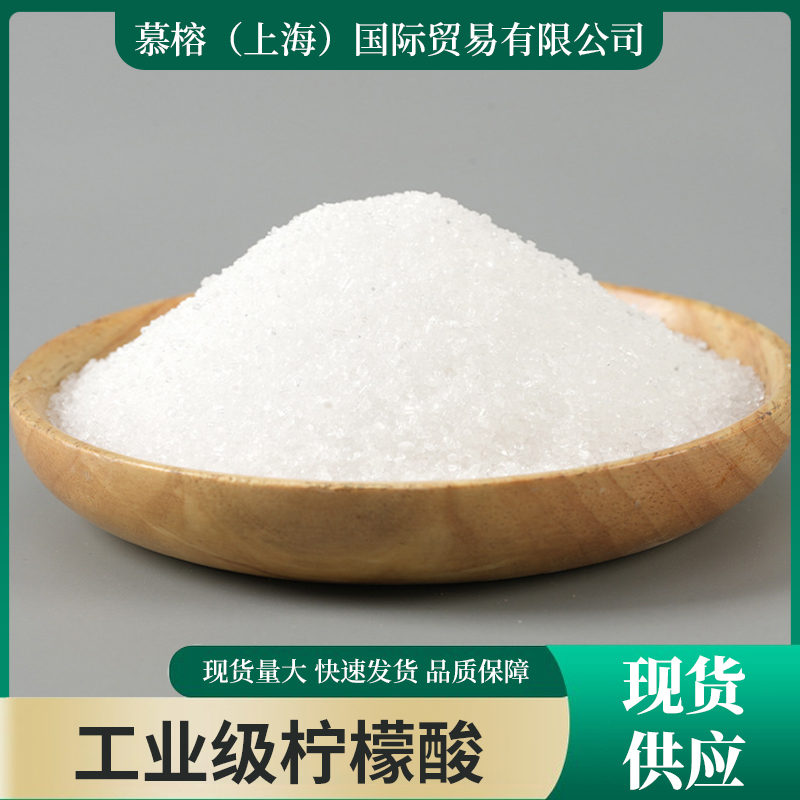
Anhydrous citric acid (C₆H₈O₇) is the anhydrous form of citric acid, meaning it contains no water molecules in its crystal structure. This gives it distinct advantages over its monohydrate counterpart, including higher purity levels and better stability during storage and transportation. The compound appears as white, crystalline powder with a strong acidic taste and is highly soluble in water.
The primary applications of anhydrous citric acid span multiple industries:
- Food and Beverage: Acts as an acidulant, preservative, and flavor enhancer in soft drinks, candies, and processed foods
- Pharmaceutical: Used in effervescent tablets, vitamin preparations, and as a buffering agent
- Cosmetics: Found in skincare products for its exfoliating and pH-balancing properties
- Industrial: Serves as a chelating agent in water treatment and a cleaning agent in various processes
- Agriculture: Used as a natural pesticide and in animal feed as a pH regulator
The choice between anhydrous and monohydrate citric acid depends on your specific application requirements. Anhydrous citric acid is preferred when absolute purity is essential or when the product will be exposed to high humidity environments during storage or use.
Key Selection Criteria for Anhydrous Citric Acid
Choosing the right anhydrous citric acid involves evaluating several critical factors that impact product quality, performance, and safety. Here are the essential criteria to consider:
1. Purity Level
The purity of anhydrous citric acid is measured by its content of active citric acid. Food-grade products typically have a purity of 99.5% or higher, while industrial grades may range from 98% to 99.5%. Higher purity levels are crucial for pharmaceutical and food applications to ensure product safety and consistency.
Murong International ensures all our food-grade citric acid meets the strictest international standards, including FCC (Food Chemicals Codex), BP (British Pharmacopoeia), and EP (European Pharmacopoeia) specifications.
2. Heavy Metal Content
Contaminants like lead, arsenic, and mercury can be present in low-quality citric acid, posing serious health risks. Reputable manufacturers conduct rigorous testing to ensure heavy metal concentrations remain well below regulatory limits.
Our quality control processes include comprehensive heavy metal testing using advanced analytical equipment, guaranteeing our citric acid meets the most stringent safety requirements for global markets.
3. Particle Size Distribution
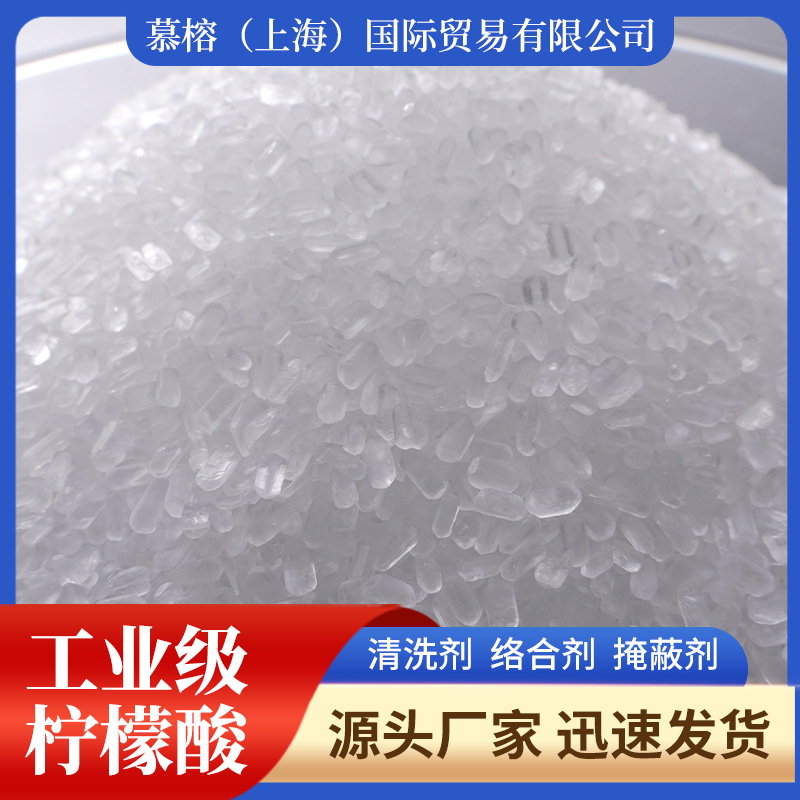
The particle size of citric acid affects its solubility rate and handling characteristics. Fine powders dissolve more quickly but may create dust issues during handling, while coarser grades are easier to handle but require more time to dissolve.
We offer customized particle size distributions to match your specific process requirements, whether you need rapid dissolution for beverage production or controlled release in pharmaceutical applications.
4. Packaging Options
Proper packaging is essential to maintain product quality during storage and transportation. Consider these factors when selecting packaging:
- Material: High-density polyethylene (HDPE) bags or drums are commonly used for their moisture resistance
- Liner: Some packages include inner liners for additional protection against moisture and contamination
- Size: Packaging should match your consumption rate to minimize exposure to air and humidity
- Labeling: Clear labeling with product information, batch numbers, and safety warnings is crucial for compliance
Our standard packaging includes 25kg multi-wall paper bags with PE liners, but we can accommodate custom packaging requirements for bulk orders.
Quality Certifications and Standards for Anhydrous Citric Acid
When sourcing anhydrous citric acid, verify that your supplier holds relevant quality certifications that demonstrate compliance with international standards. The most important certifications to look for include:
| Certification | Description | Relevance |
|---|---|---|
| ISO 9001 | Quality Management System | Ensures consistent product quality and manufacturing processes |
| ISO 22000 | Food Safety Management | Critical for food-grade citric acid suppliers |
| FCC | Food Chemicals Codex | Specifies quality standards for food ingredients |
| BP/EP | British/European Pharmacopoeia | Required for pharmaceutical applications |
| Halal/Kosher | Religious dietary compliance | Important for certain food markets |
Murong International maintains all these certifications and regularly updates them to comply with the latest international standards. Our commitment to quality has earned us recognition as a trusted supplier in global markets.
Top Food-Grade Anhydrous Citric Acid Manufacturers
When selecting a supplier for food-grade anhydrous citric acid, consider manufacturers with established reputations for quality and reliability. Here are some of the leading global producers:
1. Jungbunzlauer (Switzerland/Germany)
A leading manufacturer of biodegradable ingredients, Jungbunzlauer produces high-purity citric acid using fermentation processes. Their products meet stringent food safety standards and are widely used in the beverage industry.
2. Cargill (USA)
This agricultural giant produces citric acid through both fermentation and extraction methods. Their food-grade products comply with multiple international standards and are available in various particle sizes.
3. Tate & Lyle (UK)
With over 160 years of experience, Tate & Lyle specializes in food ingredients including citric acid. Their production facilities follow strict quality control protocols to ensure consistent product quality.
4. Weifang Ensign Industry (China)
As a major Chinese producer, Ensign Industry offers competitive pricing without compromising quality. Their food-grade citric acid meets FCC, BP, and EP standards and is exported worldwide.
While these manufacturers are reputable, working with an experienced international trader like Murong International offers additional advantages. We source from multiple certified producers, allowing us to offer competitive pricing while maintaining strict quality control through our own testing and verification processes.
FAQ
What is the difference between anhydrous and monohydrate citric acid?
Anhydrous citric acid contains no water molecules in its crystal structure, while monohydrate citric acid contains one water molecule per citric acid molecule. Anhydrous citric acid typically has higher purity levels and better stability in humid environments, making it preferred for pharmaceutical and high-end food applications.
How can I verify the quality of anhydrous citric acid?
Request a Certificate of Analysis (CoA) from your supplier that includes purity percentage, heavy metal content, moisture content, and other relevant parameters. Reputable suppliers like Murong International conduct regular third-party testing and can provide detailed quality documentation for each batch.
What is the shelf life of anhydrous citric acid?
When stored properly in a cool, dry place in sealed containers, anhydrous citric acid can maintain its quality for 3-5 years. Exposure to moisture can cause caking and reduce effectiveness, so proper storage conditions are crucial.
Can anhydrous citric acid be used in organic products?
Yes, but only if it’s produced through natural fermentation processes using non-GMO raw materials. Look for suppliers who can provide organic certification for their citric acid products if this is required for your applications.
What are the safety precautions when handling anhydrous citric acid?
While generally safe, citric acid can cause skin and eye irritation. Always wear protective gloves and goggles when handling the powder. Avoid inhaling dust by working in well-ventilated areas or using dust masks. Store away from strong bases and oxidizing agents.
Summary
Selecting high-quality anhydrous citric acid requires careful consideration of purity levels, heavy metal content, particle size, packaging, and supplier certifications. For food and pharmaceutical applications, always choose products that comply with relevant international standards like FCC, BP, or EP.
Murong (Shanghai) International Trading Co., Ltd. offers a reliable solution for your anhydrous citric acid needs. With our extensive industry experience, global sourcing network, and commitment to quality, we provide products that meet the strictest requirements while offering competitive pricing and excellent customer service.
Whether you need food-grade citric acid for beverage production or high-purity anhydrous citric acid for pharmaceutical applications, our team can help you select the right product and ensure timely delivery to your facility worldwide. Contact us today to discuss your specific requirements and receive a customized quotation.