
When it comes to industrial water treatment solutions, coconut shell activated carbon stands out as one of the most effective and versatile filtration media available. As a leading international trading company based in Shanghai, Murong (Shanghai) International Trading Co., Ltd. specializes in providing high-quality water treatment materials, including coconut shell activated carbon, to clients worldwide. This comprehensive guide will help you understand the current pricing trends, key selection criteria, and why our company is the ideal partner for your activated carbon needs.
Understanding Coconut Shell Activated Carbon Pricing
The price of coconut shell activated carbon per ton varies significantly based on several key factors. As of 2024, market prices typically range from $1,200 to $3,500 USD per metric ton, depending on the quality grade, particle size, and specific application requirements. This price range reflects the premium nature of coconut shell-based carbon compared to other raw materials like coal or wood.
Several factors influence these pricing variations:
- Raw material quality: Premium coconut shells from specific regions produce higher-quality activated carbon with better adsorption properties
- Activation process: Physical activation (steam) typically produces higher-quality carbon than chemical activation methods
- Purity levels: Higher purity grades command premium prices due to their superior performance in critical applications
- Particle size distribution: Specialized sizes for specific applications (like gold recovery or pharmaceutical use) are more expensive
- Certifications:
Products meeting NSF, FDA, or other international standards often have higher pricing
At Murong International, we work directly with certified manufacturers to ensure competitive pricing while maintaining consistent quality across all our product batches. Our purchasing volume and long-term supplier relationships allow us to offer some of the most competitive coconut shell activated carbon prices in the international market.
Key Selection Criteria for Industrial Activated Carbon
Choosing the right activated carbon supplier involves evaluating several critical factors beyond just price per ton. Based on our extensive experience in the water treatment industry, here are the most important considerations:

1. Quality Certification and Standards Compliance
The most reputable suppliers provide activated carbon that meets international quality standards such as NSF/ANSI 61, ASTM, or ISO certifications. These certifications ensure the product is safe for drinking water applications and meets specified performance criteria. Our company maintains strict quality control protocols and can provide complete certification documentation for all our water treatment materials.
2. Technical Specifications Matching Your Application
Different industrial processes require specific activated carbon characteristics:
| Application | Required Characteristics |
|---|---|
| Drinking water treatment | High iodine number, low ash content, food-grade certification |
| Industrial wastewater | High surface area, resistance to fouling, cost-effectiveness |
| Gold recovery | Optimized pore structure, high activity, specific particle size |
| Air purification | High butane activity, low dust generation, appropriate density |
Our technical team works closely with clients to analyze their specific requirements and recommend the most suitable activated carbon grade from our comprehensive product range.
3. Supplier Reliability and Production Capacity
For industrial-scale projects, consistent supply is crucial. We maintain strategic stockpiles of key products and have established relationships with multiple manufacturing facilities to ensure uninterrupted supply even during periods of high demand. Our logistics network spans major international ports, enabling efficient delivery worldwide.
Why Choose Murong International for Your Activated Carbon Needs
As a specialized water treatment materials supplier, we offer distinct advantages that set us apart in the international market:
- Direct manufacturer relationships: We source directly from certified producers, eliminating middleman markups while maintaining quality control
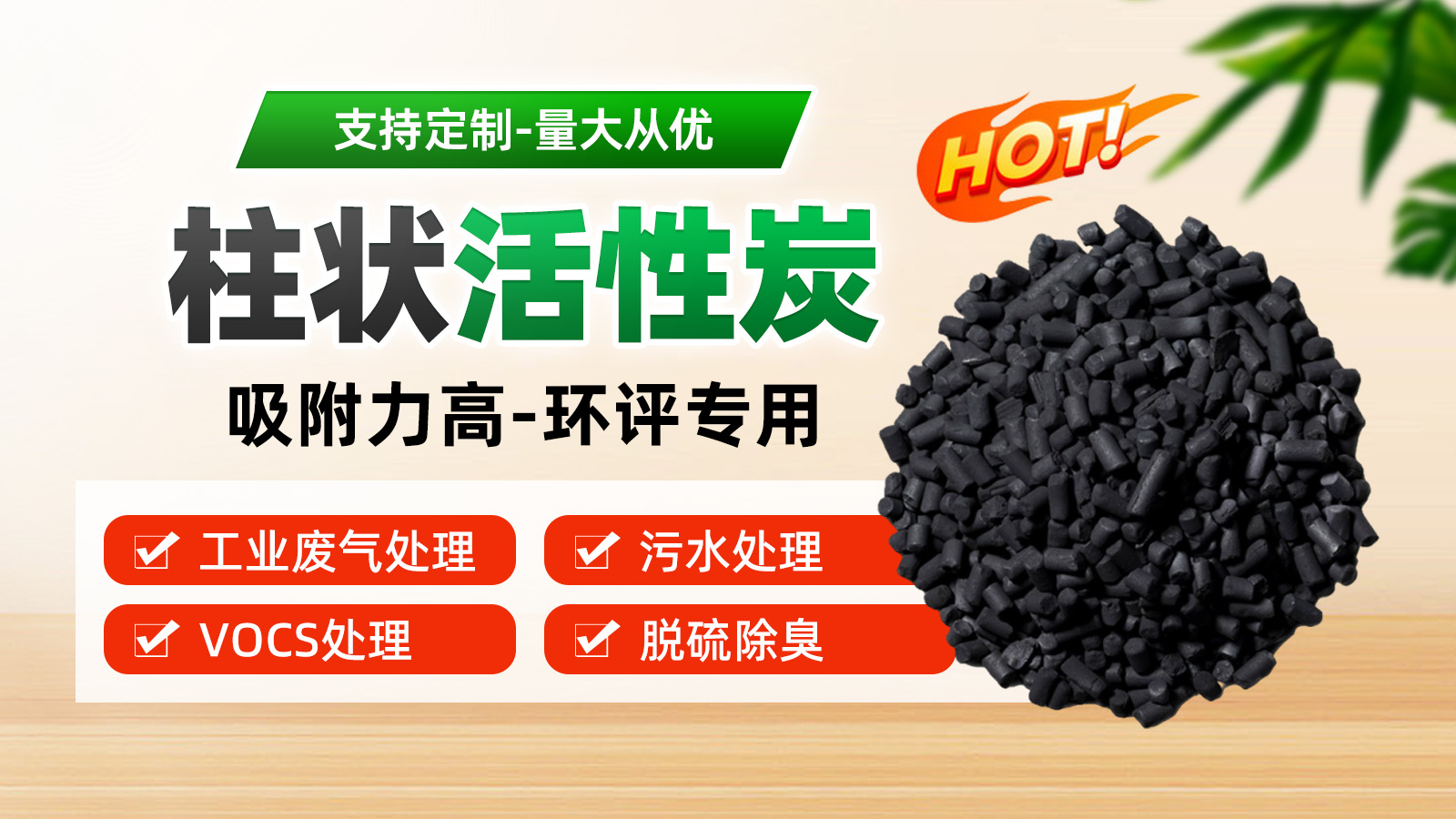
- Comprehensive product range: Beyond coconut shell activated carbon, we supply granular, powdered, columnar, spherical, and honeycomb activated carbon, along with complementary water treatment chemicals
- Technical expertise: Our team includes chemical engineers and water treatment specialists who can provide application-specific recommendations
- Global logistics network: We handle all aspects of international shipping, customs clearance, and documentation to ensure smooth delivery to your facility
- Flexible ordering: Whether you need a single container or regular bulk shipments, we can accommodate your procurement schedule
Our commitment to quality extends beyond product delivery. We provide ongoing technical support to help clients optimize their activated carbon usage, extend product life, and achieve the best possible treatment results.
FAQ
What factors most significantly affect coconut shell activated carbon pricing?
The primary factors influencing price include raw material quality, activation process (physical vs. chemical), iodine number (adsorption capacity), particle size distribution, and certifications required for specific applications. Premium grades with higher iodine numbers and specialized certifications typically command higher prices per ton.
How does coconut shell activated carbon compare to coal-based activated carbon in terms of performance?
Coconut shell activated carbon generally offers superior performance for water treatment applications due to its higher proportion of micropores, which are more effective at adsorbing small molecules. It also tends to have lower ash content and produces less dust compared to coal-based alternatives, making it preferable for drinking water applications.
What is the typical shelf life of activated carbon, and how should it be stored?
When stored properly in a cool, dry environment away from direct sunlight and contaminants, activated carbon can maintain its effectiveness for 3-5 years. We recommend storing it in sealed containers or bags on pallets to prevent moisture absorption and contamination from ground-level impurities.
How can I determine the right particle size for my specific application?
Particle size selection depends on your filtration system design and treatment objectives. Smaller particles (8×30 mesh) offer higher surface area but may cause higher pressure drops, while larger particles (4×8 mesh) allow better flow rates but slightly reduced adsorption capacity. Our technical team can analyze your system parameters to recommend the optimal size.
What documentation should a reputable activated carbon supplier provide?
A professional supplier should provide complete product specifications, safety data sheets (SDS), certificates of analysis (CoA) for each batch, and relevant quality certifications (NSF, ISO, etc.). For food-grade applications, they should also supply documentation confirming compliance with local regulatory requirements.
Summary
Selecting the right coconut shell activated carbon supplier involves evaluating both pricing and quality factors. While the average price per ton ranges from $1,200 to $3,500 USD, the most cost-effective solution considers your specific application requirements, quality standards, and long-term supply reliability. Murong (Shanghai) International Trading Co., Ltd. offers competitive pricing backed by technical expertise, comprehensive quality control, and global logistics capabilities, making us the ideal partner for your industrial water treatment needs. Contact our team today to discuss your requirements and receive a customized quotation for premium coconut shell activated carbon.