
Selecting the right high molecular weight polyacrylamide (PAM) is crucial for optimizing industrial water treatment processes. As a leading international trading company specializing in water treatment materials, Murong (Shanghai) International Trading Co., Ltd. has accumulated extensive expertise in helping clients worldwide choose the most suitable polyacrylamide solutions. This comprehensive guide will walk you through the essential considerations for polyacrylamide selection, application guidelines, and supplier evaluation criteria.

Understanding Polyacrylamide Molecular Weight
The molecular weight of polyacrylamide significantly impacts its performance in water treatment applications. High molecular weight PAM (typically above 10 million g/mol) offers superior flocculation capabilities due to its extended polymer chains. These long chains effectively bridge suspended particles, forming larger flocs that settle more rapidly. This characteristic makes high molecular weight PAM particularly suitable for:
- Municipal wastewater treatment
- Industrial effluent clarification
- Sludge dewatering processes
- Papermaking wastewater treatment
- Mining and metallurgical wastewater
Our company provides a range of polyacrylamide products with molecular weights from 5 million to 25 million g/mol, allowing customers to select the most appropriate grade for their specific application requirements. The optimal molecular weight selection depends on factors such as particle size distribution, water chemistry, and desired treatment outcomes.
Key Factors in Polyacrylamide Selection
Choosing the right polyacrylamide involves evaluating several critical parameters that influence treatment efficiency and cost-effectiveness. Based on our experience serving global clients, we recommend considering the following factors:
1. Ionic Nature
Polyacrylamide comes in three primary ionic forms: anionic, cationic, and nonionic. The selection depends on the surface charge of suspended particles:
| Ionic Type | Suitable Applications | Molecular Weight Range |
|---|---|---|
| Anionic | Organic colloids, dye wastewater, paper mill effluent | 8-25 million |
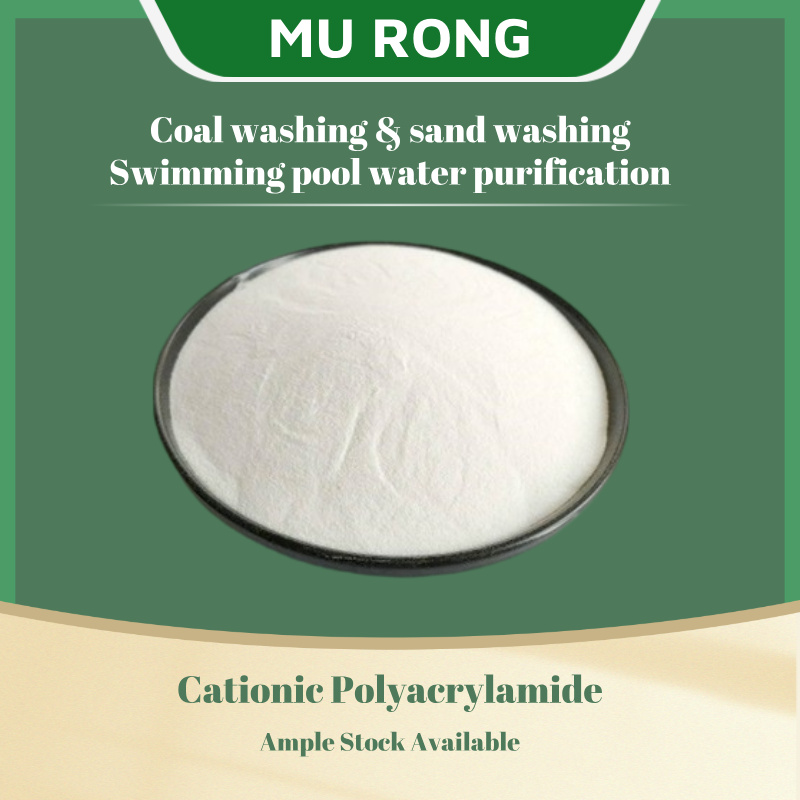
| Cationic | Sludge dewatering, protein recovery, oilfield wastewater | 5-18 million |
| Nonionic | Neutral particles, mineral processing, acid mine drainage | 6-15 million |
2. Charge Density
The charge density (degree of ionization) affects the polymer’s ability to adsorb onto particle surfaces. Higher charge density products work better with highly charged particles, while lower charge density variants are suitable for weakly charged or neutral particles. Our technical team can assist in determining the optimal charge density through jar testing and pilot studies.
3. Dissolution Characteristics
Proper dissolution is essential for polyacrylamide performance. Factors affecting dissolution include:
- Water temperature (optimal range: 20-40°C)
- Mixing intensity and duration
- Water pH (best between 6-8)
- Presence of dissolved salts
We provide detailed dissolution protocols and can supply specialized dissolution equipment when needed to ensure optimal polymer activation.
Application Guidelines for Polyacrylamide Flocculation
Effective polyacrylamide application requires understanding the complete treatment process and proper dosing techniques. Here are our recommended application guidelines:
1. Jar Testing Protocol
Before full-scale implementation, conduct jar tests to determine:
- Optimal polymer type and molecular weight
- Minimum effective dosage
- Best mixing conditions
- Settling performance
Our laboratory can provide jar testing services or supply test kits for on-site evaluation.
2. Dosing System Design
Proper dosing equipment is crucial for consistent performance. Key components include:
- Dry polymer feeder or liquid pump
- Dissolution tank with agitator
- Maturation tank for complete hydration
- Metering pump for precise dosage control
We offer complete dosing system design services and can supply all necessary equipment from trusted manufacturers.
3. Process Optimization
Regular monitoring and adjustment optimize treatment results. Key parameters to track include:
- Turbidity reduction
- Sludge volume index (SVI)
- Floc size and settling velocity
- Residual polymer concentration
Our technical team can provide training on process optimization and help establish control parameters for your specific operation.
Evaluating Polyacrylamide Suppliers
Choosing a reliable polyacrylamide supplier is as important as selecting the right product. Based on our experience in international trade, we recommend evaluating suppliers on these criteria:
1. Product Quality Certification
Ensure the supplier provides products meeting international standards such as ISO 9001 quality management system certification. Request batch test reports verifying molecular weight, ionic nature, and other critical parameters.
2. Production Capacity
Verify the supplier’s production capacity matches your demand requirements, especially for large-scale projects. Our company maintains strategic stockpiles of standard products to ensure timely delivery worldwide.
3. Technical Support
Look for suppliers offering comprehensive technical support, including:
- On-site process evaluation
- Jar testing services
- Operator training
- Troubleshooting assistance
4. Global Logistics Capability
For international buyers, evaluate the supplier’s shipping experience and documentation capabilities. As a Shanghai-based trading company, we specialize in handling all export procedures and can arrange efficient transportation to any destination.
FAQ
What is the difference between high and low molecular weight polyacrylamide?
High molecular weight polyacrylamide (typically above 10 million g/mol) forms longer polymer chains that create larger floc structures, making them more effective for rapid settling applications. Low molecular weight variants (below 5 million g/mol) offer better dispersion characteristics and are sometimes used for specific applications like paper retention aids or friction reducers.
How do I determine the correct dosage of polyacrylamide?
The optimal dosage depends on your specific water characteristics and treatment goals. We recommend conducting jar tests using different concentrations to identify the minimum effective dose that achieves your target turbidity reduction or settling rate. Our technical team can assist with this testing process.
Can polyacrylamide be used in drinking water treatment?
Yes, but only specially approved grades that meet drinking water standards. These products must have very low residual monomer content (typically below 0.05%) and comply with relevant regulations like NSF/ANSI 60. Always verify that your polyacrylamide supplier provides products certified for potable water applications when treating drinking water sources.
What is the shelf life of polyacrylamide?
When stored properly in a cool, dry environment (below 30°C), polyacrylamide typically maintains its effectiveness for 2-3 years from the production date. Exposure to moisture, high temperatures, or direct sunlight can significantly reduce shelf life by causing premature crosslinking or degradation of the polymer chains.
How does molecular weight affect sludge dewatering performance?
In sludge dewatering applications, higher molecular weight polyacrylamide generally produces better results by forming larger, more robust floc structures that release water more easily during mechanical dewatering processes. However, extremely high molecular weight products may sometimes cause filter cloth blinding, so testing different grades is recommended to find the optimal balance for your specific sludge characteristics.
Summary
Selecting the right high molecular weight polyacrylamide requires careful consideration of molecular weight, ionic nature, charge density, and application requirements. As a specialized water treatment materials supplier with extensive international experience, Murong (Shanghai) International Trading Co., Ltd. offers comprehensive solutions from product selection to application support. Our technical team can assist with jar testing, dosing system design, and process optimization to ensure you achieve optimal treatment results with cost-effective polymer usage.
With our commitment to quality, technical expertise, and global logistics capabilities, we have established ourselves as a trusted partner for industrial clients worldwide seeking reliable polyacrylamide solutions. Contact us today to discuss your specific requirements and discover how our high molecular weight polyacrylamide products can enhance your water treatment processes.