
Water treatment is a critical process that ensures the safety and quality of water for various industrial and domestic applications. Among the many filtration materials available, anthracite filter media stands out for its exceptional performance in removing impurities and contaminants. This comprehensive guide will delve into the world of water treatment anthracite filter media, exploring its types, selection criteria, and reliable suppliers. Whether you’re a water treatment professional or an industrial buyer, this article will provide valuable insights to help you make informed decisions.
Understanding Anthracite Filter Media in Water Treatment
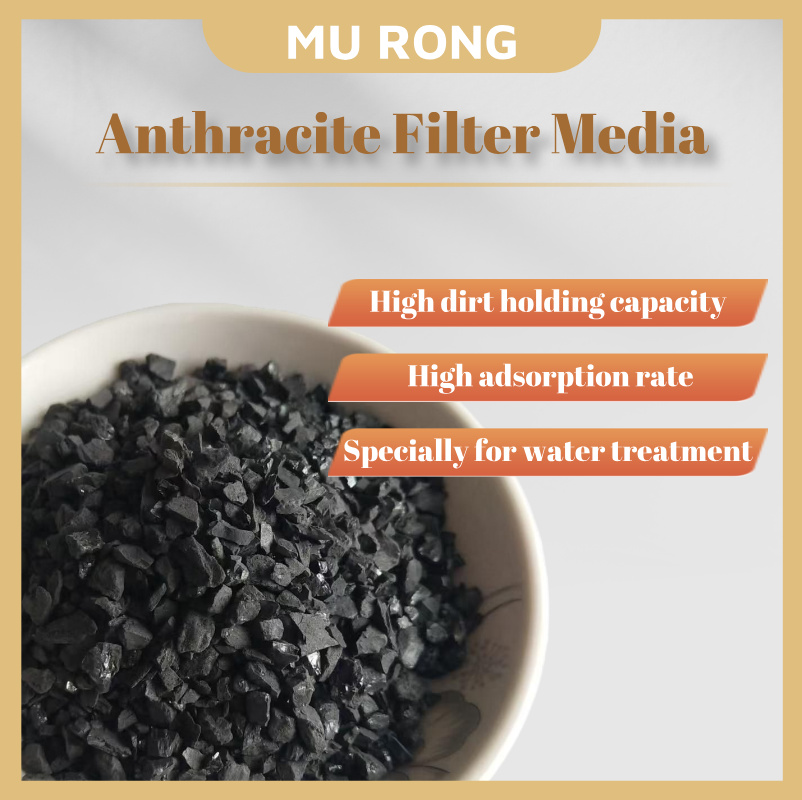
Anthracite filter media is a type of coal that has been processed and graded for use in water filtration systems. It is known for its hardness, durability, and ability to remove a wide range of contaminants, including suspended solids, organic matter, and certain heavy metals. The unique structure of anthracite allows it to provide excellent filtration performance while maintaining a long service life, making it a cost-effective solution for water treatment applications.
The effectiveness of anthracite filter media in water treatment is attributed to its physical and chemical properties. Its high carbon content and low ash content contribute to its superior filtration capabilities. Additionally, anthracite’s angular shape and rough surface provide more contact points for contaminants, enhancing the filtration process. When used in conjunction with other filter media, such as sand or garnet, anthracite can create a multi-layer filtration system that offers even greater efficiency and reliability.
Types of Water Treatment Anthracite Filter Media
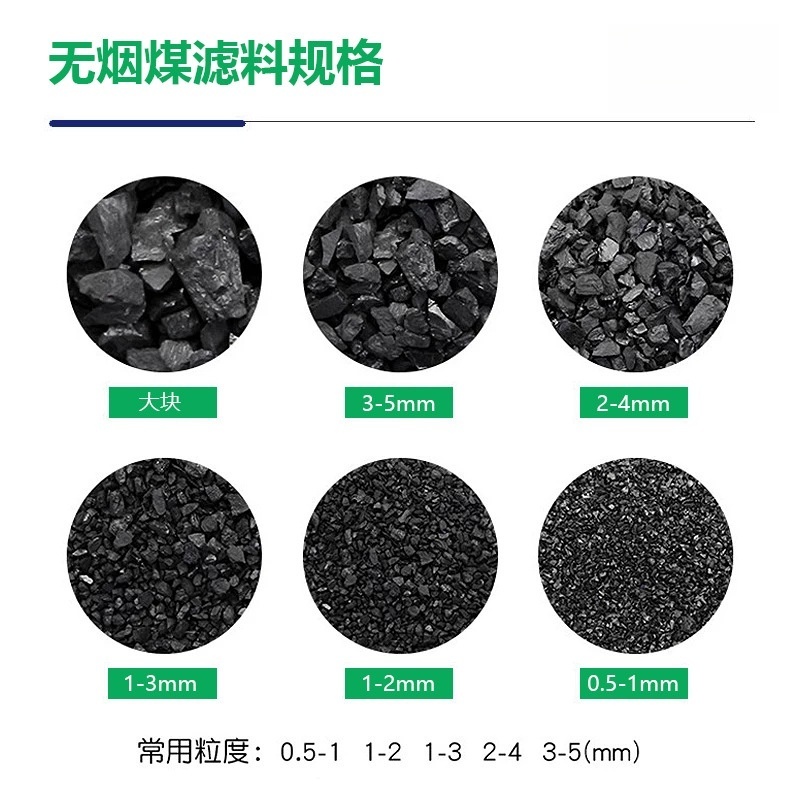
Water treatment anthracite filter media comes in various grades and sizes, each designed for specific applications and filtration requirements. The most common types include:
- Standard Grade Anthracite: This is the most widely used type of anthracite filter media, suitable for general water filtration applications. It typically has a size range of 0.6-1.2 mm and is effective in removing suspended solids and organic matter.
- Fine Grade Anthracite: With a smaller particle size (0.3-0.6 mm), fine grade anthracite is ideal for applications that require higher filtration precision. It is often used in drinking water treatment plants and other critical water purification systems.
- Coarse Grade Anthracite: Coarse grade anthracite has a larger particle size (1.2-2.4 mm) and is used in applications where a higher flow rate is required. It is commonly used in industrial water treatment systems and as a pre-filtration stage in multi-media filters.
Selecting the Right Anthracite Filter Media for Your Application
Choosing the appropriate anthracite filter media for your water treatment application is crucial for achieving optimal performance and efficiency. Several factors should be considered when making your selection:
- Water Quality: The type and concentration of contaminants in your water source will influence the choice of anthracite grade. For example, if your water contains high levels of suspended solids, a standard or coarse grade anthracite may be more suitable. For drinking water applications, fine grade anthracite is often preferred for its higher filtration precision.
- Flow Rate Requirements: The desired flow rate of your water treatment system will also impact the selection of anthracite filter media. Coarse grade anthracite allows for higher flow rates, making it ideal for industrial applications where large volumes of water need to be processed quickly. Fine grade anthracite, on the other hand, is better suited for applications with lower flow rates and higher filtration requirements.
- System Design: The design of your water filtration system, including the type of filter vessel and the arrangement of filter media layers, will also play a role in determining the appropriate anthracite grade. Multi-media filters, which combine different types of filter media, often use anthracite as the top layer to provide pre-filtration and protect the underlying layers from clogging.
Reliable Suppliers of Water Treatment Anthracite Filter Media
When it comes to sourcing water treatment anthracite filter media, choosing a reliable and reputable supplier is essential. A trusted supplier will not only provide high-quality products but also offer technical support and guidance to ensure the success of your water treatment project. Here are some key factors to consider when selecting a supplier:
- Product Quality: Look for suppliers that adhere to strict quality control standards and can provide certification for their products. This ensures that the anthracite filter media you receive meets the required specifications and performs as expected in your water treatment application.
- Industry Experience: Suppliers with extensive experience in the water treatment industry are more likely to understand your specific needs and provide tailored solutions. They can also offer valuable insights and recommendations based on their past projects and customer feedback.
- Customer Service: Excellent customer service is crucial when working with a supplier, especially if you encounter any issues or have questions about the product. Choose a supplier that is responsive, knowledgeable, and willing to go the extra mile to ensure your satisfaction.
- Global Reach: If you’re an international buyer, it’s important to choose a supplier with a global presence and the ability to ship products to your location. This ensures timely delivery and reduces the risk of supply chain disruptions.
FAQ
What is the difference between standard grade and fine grade anthracite filter media?
Standard grade anthracite filter media typically has a size range of 0.6-1.2 mm and is suitable for general water filtration applications. Fine grade anthracite, on the other hand, has a smaller particle size (0.3-0.6 mm) and is ideal for applications that require higher filtration precision, such as drinking water treatment.
How often should anthracite filter media be replaced?
The replacement frequency of anthracite filter media depends on several factors, including the quality of the incoming water, the flow rate, and the design of the filtration system. In general, anthracite filter media can last for several years before needing replacement. However, regular monitoring and testing of the filtered water quality can help determine when replacement is necessary.
Can anthracite filter media be used in conjunction with other filter media?
Yes, anthracite filter media is often used in multi-media filters in combination with other filter media, such as sand or garnet. This creates a layered filtration system that offers enhanced performance and efficiency by utilizing the unique properties of each filter media type.
What are the benefits of using anthracite filter media in water treatment?
Anthracite filter media offers several benefits in water treatment, including its ability to remove a wide range of contaminants, its durability and long service life, and its cost-effectiveness. Additionally, anthracite’s angular shape and rough surface provide more contact points for contaminants, enhancing the filtration process.
How can I ensure the quality of the anthracite filter media I purchase?
To ensure the quality of the anthracite filter media you purchase, look for suppliers that adhere to strict quality control standards and can provide certification for their products. You can also ask for samples or references from past customers to verify the supplier’s reputation and product performance.
Summary
Water treatment anthracite filter media is a versatile and effective solution for removing impurities and contaminants from water. By understanding the different types of anthracite filter media available, selecting the appropriate grade for your application, and choosing a reliable supplier, you can ensure the success of your water treatment project. Whether you’re a water treatment professional or an industrial buyer, this guide has provided valuable insights to help you make informed decisions and achieve optimal performance in your water filtration systems.